Contents:
- What Are Dahlias? (Featured Snippet)
- Dahlia Types and Their Spectacular Range
- Color Trends in 2026
- Growing Dahlias: Planting, Care, and Overwintering
- Planting Basics
- Ongoing Care
- Overwintering Tips
- Dahlias in Floristry: Design Trends and Longevity
- Vase Life and Handling
- Floral Design Ideas for 2026
- Dahlias vs. Other Garden Favorites: A Comparison
- Pests, Diseases, and Troubleshooting
- Common Dahlia Problems
- Buying Dahlias in the US: Sources and Pricing
- Where to Buy Tubers and Stems
- Average 2026 Prices
- Frequently Asked Questions About Dahlias
- How long do dahlias bloom?
- Are dahlias perennials in the US?
- How do I store dahlia tubers for winter?
- Are dahlias toxic to pets?
- Can you grow dahlias from seed?
- Ready to Grow or Gift Dahlias? Here’s What to Do Next
Everything You Need to Know About Dahlias
A single dahlia stem can hold more than 20 blooms at once–an explosion of color you can’t help but notice at late-summer farmers’ markets. With over 50,000 registered cultivars, dahlias are among the most versatile, joy-bringing flowers in American gardens and florists’ coolers. Yet most people only know the basics: big, bold, and absolutely everywhere from wedding bouquets to supermarket displays. But there’s so much more happening beneath those vibrant, petal-packed heads.
What Are Dahlias? (Featured Snippet)
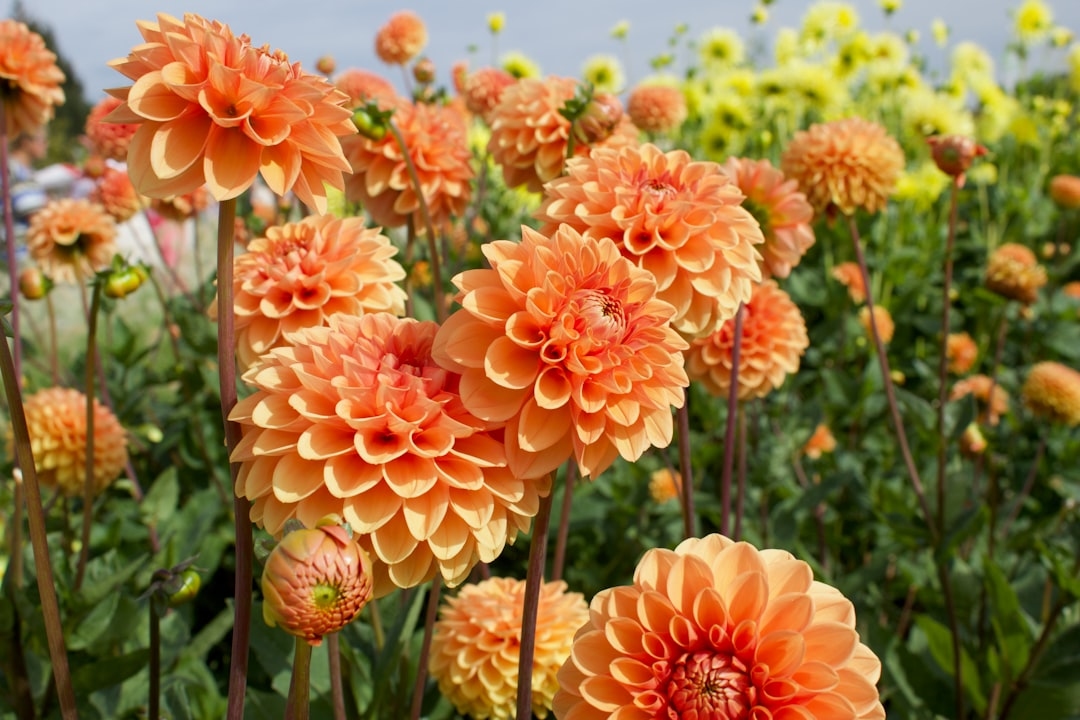
Dahlias are tuberous, perennial flowers native to Mexico and Central America, celebrated for their dazzling variety of shapes, colors, and sizes. Blooming from midsummer through the first frost, dahlias have become a staple in US gardens and floral design thanks to their long vase life, dramatic appearance, and sheer range–flower heads can be as small as a golf ball or as wide as a dinner plate. In the United States, they’re typically grown as annuals unless overwintered in mild climates or lifted and stored indoors.
Dahlia Types and Their Spectacular Range
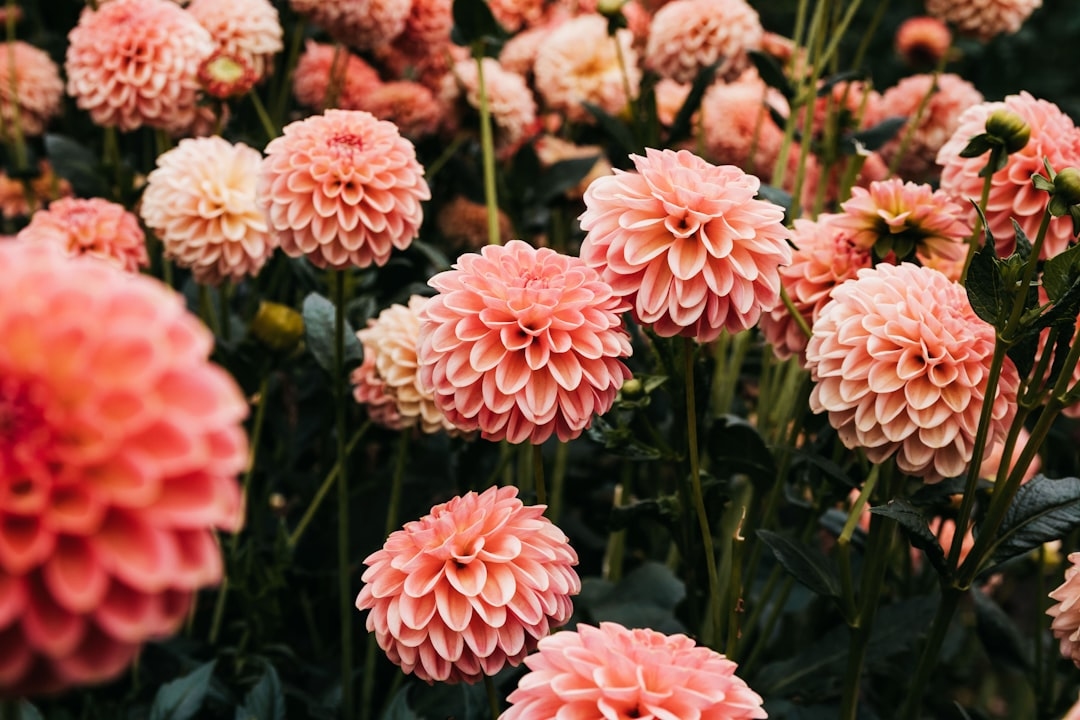
Stroll through any garden show in 2026, and you’ll see a dazzling array of dahlias, from spiky cactus blooms to ball-shaped charmers. The American Dahlia Society officially recognizes 14 distinct flower forms. Here are a few crowd favorites in the US market:
- Dinnerplate dahlias: Massive, often 10-12” across (try ‘Cafe au Lait’ for a bridal favorite)
- Ball & pompon dahlias: Compact, perfectly round; great for arrangements (‘Cornel Red’ is top-rated)
- Cactus dahlias: Spiky, starburst petals; the variety ‘Yellow Star’ thrives in USDA Zones 7-10
- Collarette dahlias: Single row of petals with a contrasting “collar” in the center
“There really is a dahlia for every gardening personality–no other flower offers such wild shape and color diversity,” says Lila Nguyen, certified horticulturist and owner of Brooklyn Petal Studio.
Color Trends in 2026
For American florists, pastel and soft ombré tones (think: blush-to-peach ‘Labyrinth’ and pale yellow ‘Lemon Sorbet’) continue dominating wedding work. Meanwhile, bold bi-colors like ‘Karma Choc’ (deep red, almost black) turn up in high-end arrangements from FTD and UrbanStems.
Growing Dahlias: Planting, Care, and Overwintering
Dahlias might look extravagant, but with a little guidance, even first-timers can bring them from tuber to bloom.
Planting Basics
- When: After your last frost date (typically April to mid-May in most of the US)
- Where: Full sun (at least 6-8 hours daily), with well-drained soil
- How deep: 4-6 inches, laying tubers sideways, eye facing up
A 2024 National Gardening Association survey found that 67% of American home gardeners who tried dahlias for the first time reported successful blooming with minimal effort.
Ongoing Care
- Staking: Essential for tall or large-flowered types; bamboo stakes or tomato cages work well.
- Watering: Deep, infrequent watering–soak the ground but avoid soggy soil.
- Feeding: Low-nitrogen fertilizer every 3-4 weeks after sprouting (look for 5-10-10 blends).
Overwintering Tips
Most of the US falls into USDA Zones 3-8, where dahlias aren’t reliably hardy. In colder regions, lift the tubers after the first frost and store them in a cool, dry place (like a garage or basement), packed in peat moss or vermiculite. Gardeners in milder coastal zones (like California’s Zone 9b) can leave tubers in the ground, mulched for insulation.
Dahlias in Floristry: Design Trends and Longevity
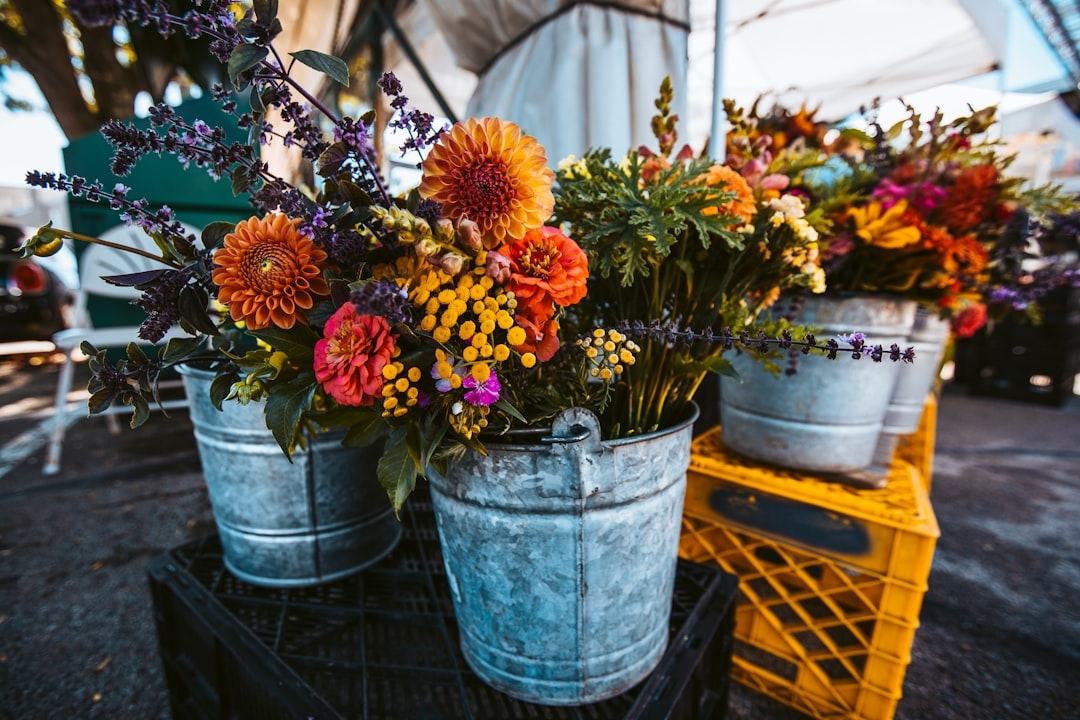
Dahlias are the showstoppers of US floral design for a reason. Their full, lush heads create impact with just a few stems, making them a favorite for wedding bouquets, summer centerpieces, and large-scale installations.
Vase Life and Handling
Dahlia blooms last 3-7 days in a vase–less than some other cut flowers, but unbeatable for drama. New post-harvest conditioning techniques (used by US cut-flower farms like Floret and Petal Pickers Collective) now push vase life toward a full week.
- Tip: Always harvest dahlias once the bloom is fully open. Buds won’t open after cutting.
- Conditioning: Place stems immediately in cool water; recut under running water before arranging.
- Pairings: Dahlias pair beautifully with eucalyptus, lisianthus, and scabiosa in modern American bouquets.
Floral Design Ideas for 2026
- Color blocking: Using one dahlia variety per arrangement–big trend on Instagram and TikTok.
- Unexpected elements: Mixing dinnerplate dahlias with native wildflowers for “garden-inspired” editorial looks.
- Micro-weddings: Petite bouquets with ball dahlias and quicksand roses, especially popular in cities like Austin and Seattle.
Dahlias vs. Other Garden Favorites: A Comparison
| Feature | Dahlias | Zinnias | Peonies | Roses |
|---|---|---|---|---|
| Bloom Season | July-Oct | June-Sept | May-June | May-Oct (varies) |
| Flower Size Range | 2-12″+ | 1-5″ | 3-8″ | 1-6″ |
| Vase Life | 3-7 days | 7-10 days | 5-10 days | 7-14 days |
| Grow from Seed/Easy? | Tuber-cutting | Yes | Difficult | Moderate |
| Price Per Stem (US, 2026) | $3-$9 | $1-$2 | $6-$15 | $2-$8 |
| Main US Sources | Local farms, imports | Local farms | Local, imports | Global imports |
“On cost and color flexibility alone, dahlias are a go-to for designers who want maximum impact without blowing the budget,” says Jodie Ramos, lead designer at Field & Foliage in Portland, OR.
Pests, Diseases, and Troubleshooting
Dahlias are generally sturdy, but American growers do face a few recurring issues.
Common Dahlia Problems
- Powdery mildew: Especially late in the season or in humid climates; avoid by spacing plants and watering at the base.
- Earwigs and slugs: Love nibbling young shoots. Use organic slug pellets or set up traps with rolled newspaper.
- Viruses and tuber rot: Buy stock from reputable US sources (like Swan Island Dahlias of Oregon) to reduce risk.
A study published in the Journal of American Horticulture (2025) stated that less than 10% of homegrown dahlias succumb to serious disease, with most issues controlled by good staking, airflow, and regular garden inspection.
Buying Dahlias in the US: Sources and Pricing
Dahlias aren’t just for gardeners–US consumers now buy cut dahlias from local florists, online services, and even grocery stores.
Where to Buy Tubers and Stems
- Tubers: Swan Island Dahlias (Oregon), Bloomquist Farms (Washington), and Brent & Becky’s Bulbs (Virginia) are highly rated for quality and customer service.
- Stems: UrbanStems, The Bouqs Co., and select FTD partners offer seasonal dahlia bouquets (July-October in most US cities).
Average 2026 Prices
- Tubers: $7-$12 for common varieties; rare collector types can run $25+ each.
- Cut stems: $3-$9 retail, with bulk pricing for wedding/event orders.
Frequently Asked Questions About Dahlias
How long do dahlias bloom?
Dahlias typically bloom from midsummer (July) until the first hard frost, providing 3-4 months of continuous color in most US gardens.
Are dahlias perennials in the US?
In USDA Zones 8-10, dahlias can survive winter outdoors as perennials. In colder zones (3-7), treat them as annuals or lift tubers to overwinter indoors.
How do I store dahlia tubers for winter?
After the first frost, dig up the tubers, dry them for a few days, then pack in peat moss or vermiculite and store in a cool, dry, frost-free space until spring.
Are dahlias toxic to pets?
According to the ASPCA, dahlias are mildly toxic to dogs and cats, potentially causing mild gastrointestinal upset if ingested.
Can you grow dahlias from seed?
You can grow single-flowered or open-pollinated dahlias from seed, but most named varieties and double-flowered types must be grown from tubers or cuttings for consistency.
Ready to Grow or Gift Dahlias? Here’s What to Do Next
Order a couple of dahlia tubers now–they sell out early with boutique growers! Plan your flower bed or container for maximum sun. Or, if you’re after instant drama, treat yourself to a dahlia bouquet from a top US flower delivery service when their season hits. You’ll get to enjoy one of nature’s wildest, most generous blooms–whether it’s in your backyard or brightening up your coffee table. Life’s too short to miss dahlias in their prime.