Contents:
- Quick Guide: US Flower Farms That Sell Direct to Public
- Why Buy Direct from a US Flower Farm?
- Fresher Flowers, Local Charm
- Support Sustainable Farming
- Types of Flower Farms Open to the Public
- Roadside Farm Stands
- U-Pick (Cut-Your-Own) Flower Fields
- Flower CSAs and Subscriptions
- On-Site Farm Shops and Workshops
- The Best Regions for “Pick Your Own” and Farm Flowers
- Insider Tip
- How to Find US Flower Farms That Sell Direct
- Online Farm Directories
- Seasonal Farm Maps & Social Media
- What to Expect: Pricing, Seasonality & Etiquette
- Flower Pricing in 2026
- Flower Seasons
- Farm Etiquette
- Sustainability, Shipping & the US Flower Market in 2026
- Local vs. Imported: The Changing Landscape
- US Flower Delivery
- The Eco-Benefits of Farm Flowers
- How to Get the Most Out of Your Flower Farm Visit
- FAQs: US Flower Farms That Sell to Public
- Where can I find flower farms near me that sell to the public?
- When is the best time to visit a flower farm for picking in the US?
- How much does it cost to pick or buy flowers at a US farm in 2026?
- Are farm-bought flowers organic or chemical-free?
- Can I bring kids or pets to a flower farm?
US Flower Farms That Sell to Public: Where and How to Buy Local Blooms in 2026
Snapdragons reaching for the sun in rural Pennsylvania. Buckets of zinnias, fresh-cut at dawn, awaiting eager hands at a roadside barn in Oregon. Across the United States, more than 6,200 flower farms–many small, family-run, and fiercely passionate about their petals–invite the public to buy straight from the field. In a market once dominated by imported blooms, American-grown flowers now fuel everything from vibrant wedding bouquets to backyard centerpieces.
Flower lovers aren’t just welcome–they’re essential to the survival and growth of local farms. Whether you want a fragrant armful of peonies or an Instagram-worthy “U-Pick” adventure, 2026 is the perfect year to reconnect with American soil (and soul) through homegrown flowers.
Quick Guide: US Flower Farms That Sell Direct to Public
- Who: Over 6,200 U.S. flower farms (USDA-NASS 2024)
- What: Direct sales of fresh flowers–bouquets, farm stands, U-Pick, CSA shares
- Where: Every region–top states include California, Washington, Oregon, Pennsylvania, New York, Texas
- When: Peak bloom May-September in most states; some year-round in milder climates
- How: Visit farm stands, book U-Pick sessions, order online for pick-up or local delivery, join a flower CSA (farm subscription)
“The joy of local flowers isn’t just in the vase–it’s seeing bees drift between stems, meeting the grower, and knowing your bouquet was cut just hours ago.”
– Maribel Gomez, Owner and Grower, Sunspun Blooms, WA
Why Buy Direct from a US Flower Farm?
Fresher Flowers, Local Charm
Imported flowers dominate big-box stores (over 70% in 2025, according to Slow Flowers’ Market Report), but local growers offer something rare: just-harvested blooms that last longer and often come with a conversation.
- Vase Life: US farm-fresh flowers last 2-4 days longer than average imports, says Dr. Henry Lin, Horticulture Professor at UC Davis.
- Variety: Many farms grow unique or heirloom varieties unavailable at grocery stores–think multi-colored ranunculus, delicate sweet peas, or rare Japanese anemones.
Support Sustainable Farming
Local flower farms tend to avoid harsh chemicals and use regenerative techniques. Many are Certified American Grown, VeriFlora Certified, or members of the Association of Specialty Cut Flower Growers (ASCFG).
- Eco Impact: Buying direct reduces miles traveled–from over 2,500 miles (South America to US) down to a few country roads.
- Community Investment: Every $1 spent supports American jobs–flower farming creates over 75,000 jobs nationwide (2026 USDA projections).
Types of Flower Farms Open to the Public
Roadside Farm Stands
Many growers sell straight from a self-serve barn, farm fridge, or stand. Payment (often cash or Venmo) is on the honor system. These can be as simple as Mason jars filled with field flowers, or as elaborate as “florist’s choice” bouquets wrapped in brown paper.
Examples
- Little Big Flowers (Petaluma, CA): $15 mixed bouquets, open daily, 8am-7pm.
- East Branch Blooms (Clarks Summit, PA): Dahlias August-October, $10-$18 per bunch.
U-Pick (Cut-Your-Own) Flower Fields
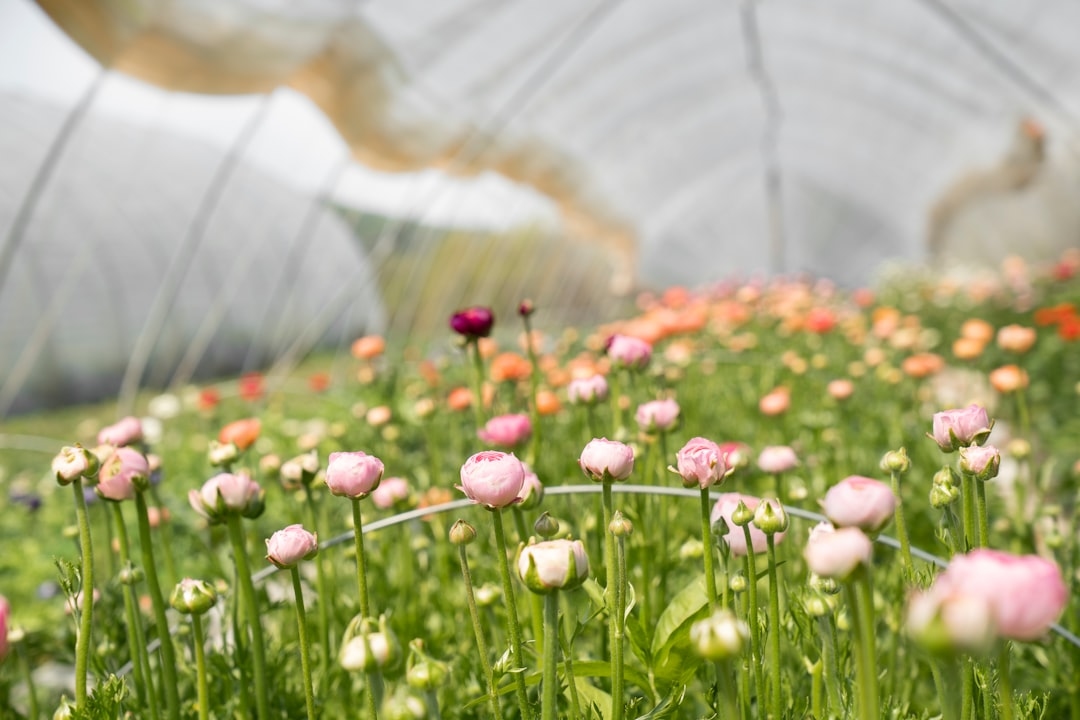
Few things beat the experience of wandering a field, shears in hand, choosing the perfect blooms. Farms typically provide buckets and tools. Charges are by stem, by cup, or by bouquet.
- Typical price: $10-$35 per bouquet, depending on flower type and size.
- Best time: Weekends during peak bloom (June-September, by region).
Popular examples:
- The Flower Bar at Red Twig Farm (New Albany, OH): Sunflowers, zinnias, cosmos; $20/bucket.
- Sweetwater Flower Farm (Santa Barbara, CA): Lavender and wildflowers in June; $1 per stem.
Flower CSAs and Subscriptions
“Community Supported Agriculture” isn’t just for veggies. By pre-purchasing a share, you help the farm plan for the season–and get a fresh bouquet each week.
- Typical price: $100-$250 for a 4-8 week session.
- Pickup or local delivery (often within 10-20 miles).
- Specialty: Seasonal, ever-changing bouquets–tulips in spring, dahlias in late summer.
Notables:
- Graceful Roots Flower CSA (Hudson Valley, NY): 6-week share, $120, pick-up at multiple locations.
- Driftless Petals (La Crosse, WI): Local delivery included in most subscriptions.
On-Site Farm Shops and Workshops
Some larger operations host on-farm shops, open select days, with a wider range of offerings: specialty bouquets, dried flowers, floral design classes, plant sales, and more.
- FarmGal Flowers (Austin, TX): Drop-in shop; intro to flower arranging classes ($55/person).
- Seattle Wholesale Growers Market (Seattle, WA): Public market days (Wednesdays); direct from regional farms.
The Best Regions for “Pick Your Own” and Farm Flowers
While every state grows something beautiful, a handful of regions stand out in 2026 for abundance, diversity, and ease of public access.
| State/Region | Flower Crop Highlights | Best Public Access Points | Notable Seasonal Events |
|---|---|---|---|
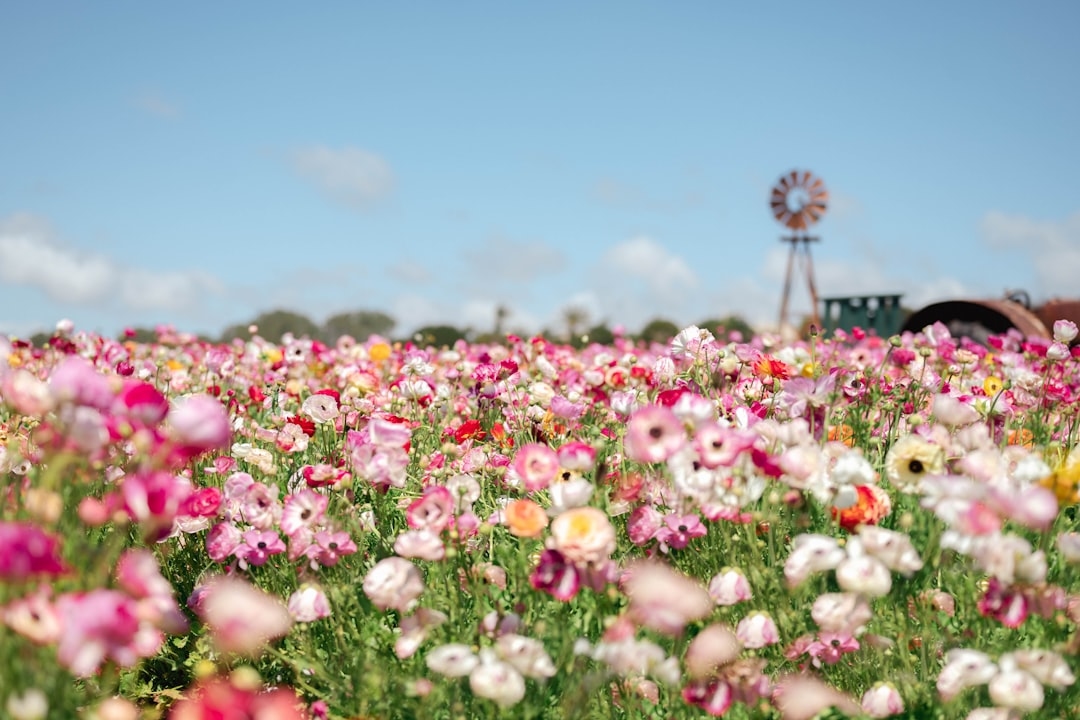
| California | Ranunculus, roses, sunflowers | Carlsbad Flower Fields, Central Coast U-Picks | Carlsbad Flower Festival (April) |
| Pacific Northwest | Tulips, dahlias, peonies | Skagit Valley, WA; Portland metro | Skagit Tulip Festival (April), Dahlia Days (Aug) |
| Northeast | Lilacs, zinnias, lilies | Hudson Valley, NY; Vermont | Maine Wildflower Weekend (July) |
| Midwest | Sunflowers, asters, cosmos | Madison, WI area; Michigan | Sunflower Fests, Farm Tours |
| Southeast | Snapdragons, coreopsis | Atlanta metro, SC, NC | Pick-Your-Own Days (Spring/Summer) |
Insider Tip
Many farms post live field updates on Instagram or Facebook each week. Savvy flower buffs follow their favorite growers to catch peak bloom, weather closures, or flash U-Pick events.
How to Find US Flower Farms That Sell Direct
Online Farm Directories
Several searchable databases list local flower farms by state and services offered:
- Slow Flowers Directory: 900+ US member farms, searchable by state/city.
- LocalHarvest.org: Filters for “flowers” and “U-Pick.”
- ASCFG Farm Finder: Members-only, but public can view active retail farms.
Seasonal Farm Maps & Social Media
Many states’ agricultural organizations release fresh “flower farm trail” maps each season–check with your local extension office or tourism bureau. Word-of-mouth, Google Maps, and hashtags like #americangrownflowers, #u_pickflowers, or #[yourstatename]flowers are surprisingly effective.
Pro Tip:
Some farms cap daily visitor numbers–always check social media or contact the farm before heading out, especially for U-Pick experiences.
What to Expect: Pricing, Seasonality & Etiquette
Flower Pricing in 2026
- Single stems: $1-$5 (fancy roses, peonies higher)
- Pre-made bouquets: $10-$35
- U-Pick buckets: $15-$40 (size varies by farm)
- CSA shares: $100-$250 per session
Small-scale, specialty blooms will always cost a bit more than supermarket imports, but many customers find the quality and connection far superior.
Flower Seasons
- Tulips, daffodils: Late March-early May in most states
- Peonies: May-June (short but spectacular)
- Sunflowers, zinnias, cosmos: June-September
- Dahlias: July-October (prime in Pacific Northwest & CA)
- Everlastings/dried flowers: Available year-round from some farms
Farm Etiquette
- Always follow farm rules–don’t cut in marked “no pick” zones.
- Respect opening hours (check for “by appointment only” notes).
- Supervise children; many flowers are delicate.
- Leave pets at home unless otherwise stated.
“Our busiest days are Sunday mornings–families come by for flowers before brunch! We just ask that everyone cuts responsibly, and we’re happy to share flower knowledge.”
– Julia Holloway, Owner, Holloway Gardens, IL
Sustainability, Shipping & the US Flower Market in 2026
Local vs. Imported: The Changing Landscape
Three out of four US consumers now express a preference for local florals if available (2025 IPSOS survey). While imports from Ecuador and Colombia still dominate national chains, the direct-to-public model is growing–especially in urban and affluent suburban areas.
US Flower Delivery
Some farms now partner with regional delivery services or offer their own eco-focused deliveries within a set radius. Look for “Farm Fresh Delivery” on farm websites or opt for eco-packaging when available.
The Eco-Benefits of Farm Flowers
A 2024 University of Florida study found field-grown, local flowers had a carbon footprint 60% lower than imported blooms, primarily due to reduced shipping and refrigeration.
Dr. Tamika Reed, Senior Researcher in Sustainable Floriculture, notes: “Supporting local farms isn’t just a feel-good act–it’s a tangible reduction in your bouquet’s environmental impact.”
How to Get the Most Out of Your Flower Farm Visit
- Bring a clean bucket or vase for transport (some farms supply buckets, but not all).
- Shears: If allowed, bring your own sharp, clean snippers.
- Plan for sun & mud: Wear sunscreen, closed-toe shoes, and bring water.
- Ask questions! Many farmers love sharing tips on cut-flower care and arrangement.
- Share the love: Tag the farm in your social media posts–word of mouth is gold in this community.
FAQs: US Flower Farms That Sell to Public
Where can I find flower farms near me that sell to the public?
The best starting points are directories like Slow Flowers, LocalHarvest.org, or searching “flower farms near me” on Google Maps. Many local farms also promote on Instagram or Facebook during blooming season.
When is the best time to visit a flower farm for picking in the US?
Peak months are typically May through September, depending on region and flower type. Tulips and daffodils bloom in early spring; sunflowers, zinnias, and dahlias peak midsummer to fall.
How much does it cost to pick or buy flowers at a US farm in 2026?
Expect to pay $1-$5 per stem, $10-$35 for bouquets, and $15-$40 for U-Pick buckets. Flower CSAs average $100-$250 per session.
Are farm-bought flowers organic or chemical-free?
Many US flower farms use sustainable or organic methods, but not all are certified. Always ask the grower about their practices if you’re concerned about chemicals.
Can I bring kids or pets to a flower farm?
Most farms are family-friendly but may have age guidelines for cutting tools or U-Pick areas. Pets are typically not allowed due to farm regulations and crop safety–check with the farm before visiting.
Ready for armfuls of local blooms, a sun-warmed afternoon, or the freshest bouquet you’ve ever placed on your kitchen table? The story of US flower farms selling direct is vibrant and unfolding–track down your nearest grower, share in their season, and savor the beauty that’s grown right in your own backyard. This year, let your flowers come with a handshake and a story, not just a barcode.