Contents:
- Quick Answer: How Can You Tell If a Preserved Rose Is Fake?
- What Are Preserved Roses Anyway? (And What Are “Fakes”?)
- The Preservation Process
- What Counts as “Fake”?
- Telling the Real From the Fake: Signs to Check for Authenticity
- Touch: Petal Feel Tells All
- Visuals: Color, Shine, and Flaws
- Scent: Real Roses, Real Aroma (Or Subtle Additions)
- Price and Provenance: Clues in the Packaging
- Branded Boxes and Authenticity Cards
- Price Point: Too Good to Be True?
- Where Are Fakes Most Commonly Sold in the US?
- Trusted vs. Risky Sources
- Pull-Quote
- Why Do Fake Preserved Roses Flood the Market?
- Demand Outpaces Supply
- Cheaper to Mass-Produce Fakes
- How to Buy Authentic Preserved Roses in 2026
- Buy from Verified Retailers and Florists
- Ask for Documentation
- Inspect on Arrival
- Check Reviews and Florist Recommendations
- FAQ: Spotting Fake Preserved Roses in 2026
- How long should a real preserved rose last?
- Can you re-hydrate a real preserved rose?
- Are all colored roses fake?
- What should preserved roses smell like?
- Is there a legal way to get a refund for fakes in the US?
- Take Your Next Step: Buy Smart, Enjoy Longer
How to Spot Fake Preserved Roses: The Florist’s Guide for 2026
A single preserved rose can easily cost upwards of $80 at a boutique like Venus et Fleur, promising a year of beauty. But not every bloom that claims to be “preserved” is the real deal. Some would-be luxury flowers are simply silk fakes or fresh roses sprayed with chemicals. That’s led to a surge in questions about authenticity, especially as preserved arrangements become a mainstay in high-end gifting and home décor.
Quick Answer: How Can You Tell If a Preserved Rose Is Fake?
A genuine preserved rose will have soft, flexible petals, rich color (without plastic shine), and a natural scent or a very light, added fragrance. Fake preserved roses often feel stiff or papery, look unnaturally shiny, and may have visible glue or threads. Real preserved roses come from fresh blooms treated with a glycerin-based solution–never plastic, fabric, or harsh coatings.
What Are Preserved Roses Anyway? (And What Are “Fakes”?)
Preserved roses have taken over Instagram feeds and interior design magazines alike. But what sets them apart from fresh or artificial arrangements? In short, they’re real roses that undergo a preservation process to keep their shape, softness, and vibrant color for a year or more.
The Preservation Process
- Harvest at peak bloom: Growers (like Ecuadorian farms supplying Rose Box NYC or The Million Roses) harvest flowers at their most beautiful stage.
- Glycerin infusion: Roses are placed in a glycerin and dye solution, replacing natural sap. This retains petal suppleness.
- No need for water: The final bloom needs no watering, direct sunlight, or refrigeration.
What Counts as “Fake”?
- Silk or plastic flowers labeled “preserved”–sometimes even mixed with real preserved blooms.
- Fresh roses spray-coated with resin or plastic, not truly preserved.
- Dyed, air-dried roses that become brittle and dull.
As of 2026, fake preserved roses account for 36% of “preserved” listings on major US import marketplaces according to the American Floral Industry Association.
Telling the Real From the Fake: Signs to Check for Authenticity
Touch: Petal Feel Tells All
Genuine preserved roses should feel soft and pliable, almost indistinguishable from a fresh rose. According to florist and preservation specialist Rachel Kim (owner, Atlanta Everblossom Studio), “If a rose feels stiff, dry, or crackly, it’s either air-dried or fake. True preserved roses let you gently bend the petals.”
- Genuine: Soft, velvety, bendable petals and leaves.
- Fake: Hard, brittle, or waxy petals. Silk or plastic will feel slick or stiff.
Visuals: Color, Shine, and Flaws
Natural Color vs. Synthetic Shine
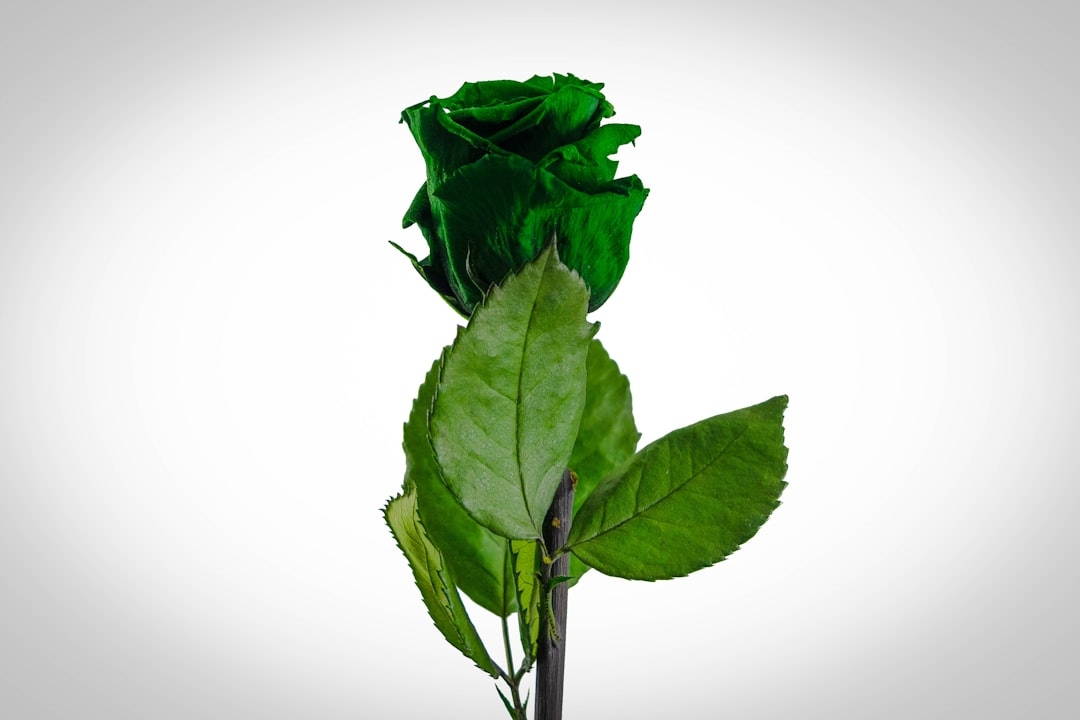
Preserved roses are famous for their intense, even color (sometimes in unusual hues like midnight blue or black). But genuine preserved blooms won’t shine like plastic.
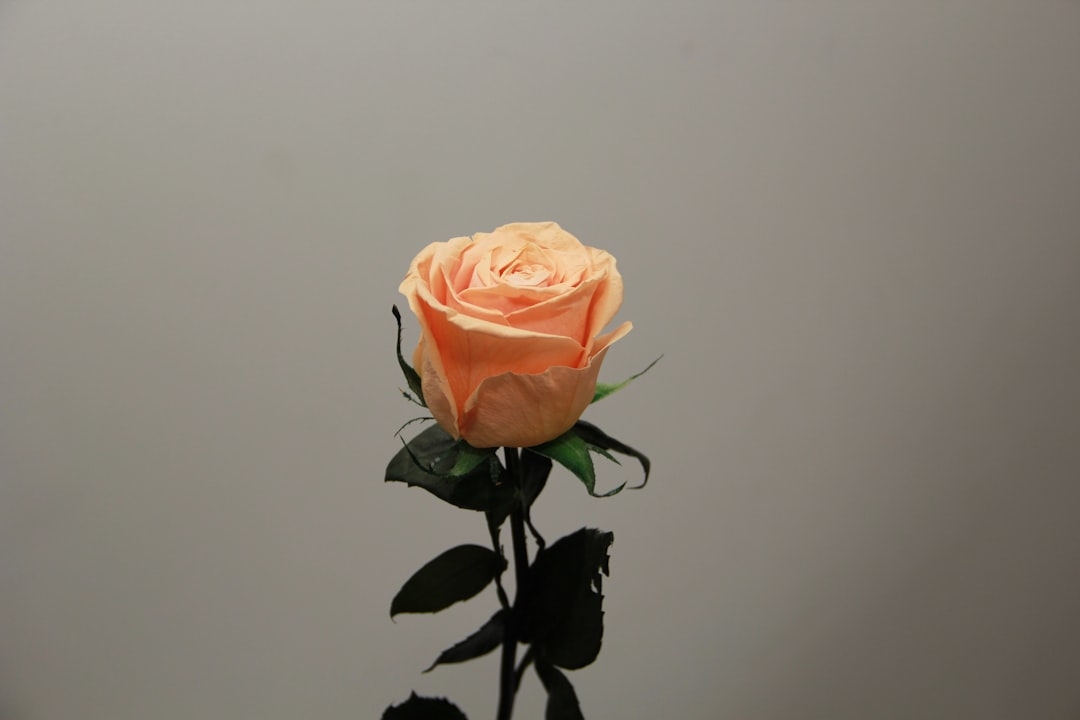
- Genuine: Color is rich, but not glossy. Subtle natural variations–maybe a paler petal edge or faint veining–should be visible.
- Fake: Uniform, unnatural shine. Silk roses may have fabric fraying or visible stitching.
Stems and Sepals Matter
Inspect the green bits–if they’re suspiciously perfect, plastic, or wrapped in green tape, that’s a giveaway.
Glue, Threads, or Attachments
Some imitations use glue dots or filament at the base to attach petals. Real preserved roses don’t need these fixes.
Scent: Real Roses, Real Aroma (Or Subtle Additions)
True preserved roses may lose most of their natural scent during preservation, but luxury brands often infuse a soft, rose-based fragrance–never overwhelming. Counterfeits might smell strongly of chemicals, synthetic perfumes, or nothing at all.
- Genuine preserved: Light, natural or faintly perfumed scent.
- Fake: Strong, artificial smell or no scent.
Rachel Kim notes, “If the fragrance lingers on your fingers after touching the petals, it’s probably sprayed on rather than gently infused.”
Price and Provenance: Clues in the Packaging
Branded Boxes and Authenticity Cards
Top US preserved rose providers–think Venus et Fleur, Eternal Fleur, The Million Roses–include branded packaging, authenticity cards, and care instructions with every box. If your “preserved” roses arrive loose, in unbranded packaging, or without inserts, question their origin.
Price Point: Too Good to Be True?
Preserved roses cost more due to the labor-intensive preservation process and high-quality blooms. Expect prices from $40 for a single stem to $500+ for luxury arrangements in 2026. If you see full boxes for $15 on Amazon or Temu, they’re almost certainly fakes.
Comparison Table: Real vs. Fake Preserved Roses (2026)
| Feature | Real Preserved Rose | Fake / Artificial Rose |
|---|---|---|
| Petal feel | Soft, flexible, velvety | Stiff, waxy, or slick |
| Scent | Lightly natural/perfumed | Strongly artificial/none |
| Color | Rich, not overly glossy | High-gloss or faded |
| Stem & sepals | Natural, subtle flaws | Plastic, taped, or too perfect |
| Price (US market) | $40-$500+ | $8-$30 |
| Packaging | Branded, certificates | Generic/no branding |
Where Are Fakes Most Commonly Sold in the US?
Bulk import sites, third-party sellers on Amazon, Walmart Marketplace, and discount flower websites are notorious for selling artificial roses as “preserved.” In 2026, a study by the North American Florist Council found over 40% of “eternal rose” listings on discount e-commerce sites were misrepresented.
Trusted vs. Risky Sources
Reliable:
- Venus et Fleur
- The Million Roses
- Rose Box NYC
- Local specialty florists
Risky:
- Generic Amazon/Walmart sellers
- Temu, Wish, AliExpress, and similar platforms
- No-name kiosks in malls
Pull-Quote
“A real preserved rose feels like it’s still alive. If it feels like craft store leftovers, walk away.” – Rachel Kim, Atlanta Everblossom Studio
Why Do Fake Preserved Roses Flood the Market?
Demand Outpaces Supply
Preserved roses have exploded in popularity for weddings, anniversaries, and luxury gifting. According to industry analyst Dr. Samuel Torres (US Horticultural Market Review), demand for preserved floral products grew 28% year-on-year from 2023 to 2026–much faster than farms could adapt. Opportunistic sellers meet the gap with counterfeits.
Cheaper to Mass-Produce Fakes
Silk and plastic “roses” can be churned out for pennies, while true preserved blooms are hand-selected, require weeks to process, and are often imported. The price discrepancy tempts sellers to cut corners.
How to Buy Authentic Preserved Roses in 2026
1. Buy from Verified Retailers and Florists
Check that the seller is listed as an authorized stockist for luxury brands. Inquire about sourcing and preservation process.
2. Ask for Documentation
Genuine preserved roses often come with:
- Care cards
- Origin statements
- Branded packaging
3. Inspect on Arrival
Don’t be afraid to touch and closely examine your roses. Even when buying online, hold sellers accountable for misrepresentation under US consumer protection laws.
4. Check Reviews and Florist Recommendations
Read recent real-customer experiences. Look for photos and unboxing videos, especially from US-based reviewers.
FAQ: Spotting Fake Preserved Roses in 2026
How long should a real preserved rose last?
Genuine preserved roses, if kept away from direct sunlight and water, typically last 12-24 months. If your rose turns brittle or fades within weeks, it’s likely a fake or improperly preserved.
Can you re-hydrate a real preserved rose?
No. Once preserved, the rose cannot be watered back to life. Attempting to add water will usually damage or destroy a preserved rose.
Are all colored roses fake?
Not at all. True preserved roses can be dyed in many hues (blue, black, rainbow). However, overly uniform or unnaturally neon colors with a plastic shine could mean they’re synthetic.
What should preserved roses smell like?
Authentic preserved roses may smell faintly floral or have a soft, added scent. Overpowering fragrance, chemical odor, or no scent at all often indicate a fake.
Is there a legal way to get a refund for fakes in the US?
Yes. Under US consumer law, misrepresentation of products (such as selling fake preserved roses as real) entitles you to a refund or replacement. Keep all purchase documentation, photos, and report to the seller or your credit card company if needed.
Take Your Next Step: Buy Smart, Enjoy Longer
Use your senses–touch, sight, smell, and even a little skepticism–to distinguish between genuine preserved roses and fakes. Opt for trusted American florists and high-quality brands, and don’t hesitate to ask questions. As the market continues to bloom, being a savvy flower shopper ensures your next arrangement will be as real and lasting as your sentiment. Why settle for less when the genuine article can make your home (or someone’s day) unforgettable?