Contents:
- Quick Answer: How to Avoid Plastic in Florist Arrangements
- Why Plastic Is Dominant in Floral Design–And Why It Matters
- Plastic-Free Alternatives for Every Arrangement
- Eco-Friendly Wraps and Ties
- Alternatives to Floral Foam
- Reusable Containers
- How To Order Plastic-Free Flowers in the US
- Choose a Florist with a Sustainability Policy
- Specify Your Preferences Up Front
- Opt for Reusable Containers or Vase Returns
- Double-Check Before Delivery
- Comparing Florist Packaging Options (2026)
- The US Market: What’s Changing in 2026
- How to Host a Plastic-Free Floral Event
- Sourcing
- After the Event
- Avoid Common Pitfalls
- FAQs About Plastic-Free Florist Arrangements
- How do I know if my florist uses plastic-free materials?
- Is floral foam (Oasis) always plastic?
- Are “compostable” cellophane wraps actually eco-friendly?
- Can I recycle plastic flower wraps or ribbons?
- What does a plastic-free bouquet cost in the US?
- Take Action: Ask for Greener Bouquets This Year
Plastic in Florist Arrangements – How to Avoid It
A Mother’s Day bouquet arrives at your door, its scent fresh and inviting–but as you remove the wrapping, out tumbles a whirl of cellophane, foam blocks, and plastic ribbons. Each year, over 900 million flower stems are imported to the US, and much of the beauty is marred by plastic that won’t biodegrade before your bouquet’s memory fades. For those who love giving and receiving flowers, knowing how to avoid plastic in florist arrangements isn’t just a feel-good idea–it’s a climate-conscious, trend-forward move that’s gaining real momentum in 2026.
Quick Answer: How to Avoid Plastic in Florist Arrangements
To avoid plastic in florist arrangements, request biodegradable or reusable materials (like Kraft paper, jute twine, and natural moss) when placing your order, select florists committed to sustainable packaging, and steer clear of foam floral blocks, cellophane wraps, and plastic decorative picks. Look for certifications or mention eco-friendly options–many US florists now highlight “plastic-free” bouquets and arrangements.
Why Plastic Is Dominant in Floral Design–And Why It Matters
Plastic wormed its way into floristry for practical reasons. Since the 1970s, florist foam (oasis), cellophane, and PVC ribbons became industry standards for keeping flowers fresh, tidy, and transportable. According to the American Society of Florists, over 70% of retail bouquets in 2026 still use at least one single-use plastic element.
But the environmental impact is staggering:
- Florist foam: Made from phenolic resin, a type of microplastic. A single block can take centuries to break down–if it even does.
- Plastic wraps and ribbons: Not recyclable in most US curbside programs.
- Cellophane confusion: Real cellulose cellophane is compostable, but most “cellophane” is actually non-biodegradable BOPP (plastic film).
Dr. Janet Liu, a horticultural sustainability expert at Oregon State University, notes, “The majority of post-consumer floral waste in municipal landfills in the US is plastic-based, due to lack of awareness and inadequate alternatives.” In short: The beauty of a bouquet shouldn’t last longer in landfill than in a vase.
Plastic-Free Alternatives for Every Arrangement
Redesigning a floral gift to be plastic-free doesn’t mean sacrificing flair or freshness. American florists in 2026 have gotten creative–here’s what to look for:
Eco-Friendly Wraps and Ties
- Kraft paper: Sturdy, affordable (often 5-10 cents more per bouquet than plastic), compostable.
- Burlap or cotton cloth: Reusable and rustic–nice for larger, informal bouquets.
- Jute or cotton twine: Instead of plastic ribbon. Adds an artisanal touch.
- Compostable cellophane: Real cellophane (Regal Wrap, NatureFlex brands) breaks down in industrial compost.
Alternatives to Floral Foam
- Chicken wire: Shaped into a ball in the vase to hold stems in place.
- Pin frogs (kenzan): Reusable Japanese design tool for upright arrangements.
- Natural moss or sand: Holds stems steady and adds visual interest.
Reusable Containers
- Vintage vases, jars, mugs, or crocks: US delivery services like UrbanStems and The Bouqs Co. increasingly offer “vase return” programs in 2026.
- Terra cotta and ceramic pots: No plastic liners needed.
“A plastic-free bouquet tells your recipient you cared for their health and the planet. It’s thoughtful, stylish, and far from boring!”
– Rachel Gutierrez, owner of GreenStem Florals, Austin, TX
How To Order Plastic-Free Flowers in the US
Ordering sustainably is less mysterious than it sounds, but you’ll need to know what to ask for. Here’s a step-by-step guide:
1. Choose a Florist with a Sustainability Policy
Search terms: “plastic-free bouquets near me”, “eco-conscious florist [city]”, “sustainable flower delivery USA”.
What to look for:
- Certifications: Slow Flowers, Florists’ Review Certified Green, Veriflora.
- FAQs or About pages detailing packaging practices.
2. Specify Your Preferences Up Front
- Use phrases like “Please wrap my bouquet in Kraft paper, no plastic” or “I’d like arrangements with no floral foam.”
- Many florists appreciate clear directions, especially on busy holidays.
3. Opt for Reusable Containers or Vase Returns
- Companies like Farmgirl Flowers and Petaluma (in LA and Chicago) now offer returnable or recyclable vases for $5-$10 deposit.
4. Double-Check Before Delivery
- For local orders: Call and confirm with the designer.
- For national services: Use special request boxes or email customer service.
Comparing Florist Packaging Options (2026)
| Packaging Material | Biodegradable | Recyclable | Cost Impact | US Availability |
|---|---|---|---|---|
| Traditional plastic wrap | No | No | $ | Everywhere |
| Kraft paper (FSC-certified) | Yes | Yes | +$$ | Most eco florists |
| Compostable cellophane | Yes | No* | +$$$ | Growing rapidly |
| Burlap/cotton cloth | Yes | Yes | +$$$ | Boutiques, urban |
| Floral foam (Oasis) | No | No | $ | Still common |
| Chicken wire/pin frog | Yes | Yes** | +$$ | Major cities/some chains |
* Only compostable in industrial facilities
** Metal pin frogs last decades, often reused
The US Market: What’s Changing in 2026
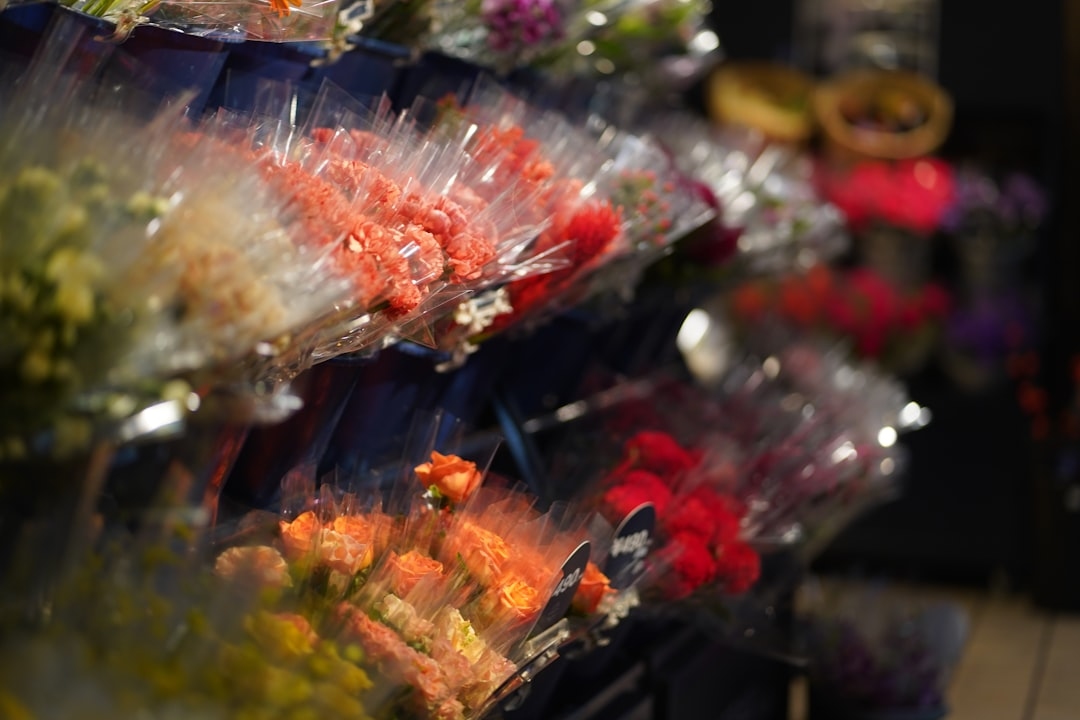
Consumers are catching on fast. According to a 2026 survey by the National Retail Florists Association, 59% of Americans say they’d pay up to $4 more for plastic-free bouquets, especially for holidays and weddings. Online platforms now spotlight eco-options: Etsy US tags, for instance, saw “plastic-free flowers” rise by 41% in searches compared to 2024.
Florists are responding:
- UrbanStems launched “Zero Waste Wraps” in 22 US cities.
- Teleflora now offers a “Green Choice” collection nationwide.
- The Bouqs Co.’s 2026 Mother’s Day line featured 90% foam-free arrangements.
Still, in rural areas or with national mass-market providers, plastic remains dominant. Ask, advocate, and–when possible–support local businesses making the shift.
How to Host a Plastic-Free Floral Event
Planning a wedding, fundraiser, or graduation in 2026? Here’s how to keep flowers green, not just in color.
Sourcing
- Bulk-buy direct from local flower farms (use the Slow Flowers directory).
- Request or supply vases in advance–mason jars and vintage milk bottles are on-trend and easy to rent.
- Hire florists specializing in foam-free installations and natural installations.
After the Event
- Offer guests bouquets in paper wrappings as favors.
- Recycle or donate containers–some non-profits accept vases.
- Compost stems and leftover biodegradable materials.
Avoid Common Pitfalls
- Watch for “eco cellophane” claims–ask for proof of industrial compostability.
- Balloons, plastic picks, and glitter are still plastic-based–skip them for genuine sustainability.
FAQs About Plastic-Free Florist Arrangements
How do I know if my florist uses plastic-free materials?
Check the florist’s website or call directly. Look for mentions of Kraft paper, compostable wraps, or a “sustainability” policy. Many US florists in 2026 now advertise plastic-free options in their online ordering process.
Is floral foam (Oasis) always plastic?
Yes, nearly all traditional green or gray floral foam is plastic-based and non-biodegradable. Some newer products claim “degradable” content, but experts like Dr. Janet Liu recommend chicken wire or pin frogs as genuinely sustainable alternatives.
Are “compostable” cellophane wraps actually eco-friendly?
Only if they are made from true cellulose (like NatureFlex or Regal Wrap) and are composted in an industrial facility. Most so-called “cellophane” is plastic, not biodegradable. Always ask your florist for brand details if compostability is important.
Can I recycle plastic flower wraps or ribbons?
Most single-use plastic flower wrapping and ribbons (like those from 1-800-Flowers or Albertsons) cannot be recycled in regular bins in the US as of 2026. Check with local specialty drop-offs or avoid entirely by requesting paper or cloth.
What does a plastic-free bouquet cost in the US?
Expect to pay between $3 and $8 more per arrangement for truly plastic-free, sustainable packaging in most US cities. The gap is shrinking each year as more florists adopt eco-practices and packaging costs fall.
Take Action: Ask for Greener Bouquets This Year
The next time you send or receive flowers, challenge your florist to ditch the plastic. It’s a small but meaningful stand that’s changing the US flower industry–one beautiful bouquet at a time. Share your plastic-free requests on social media, tag your favorite eco-florists, or leave a review when you spot sustainable packaging. Trends only stick when customers speak up, and in 2026, your choices shape tomorrow’s floral traditions.