Contents:
- What is a gerbera daisy? (Featured Snippet)
- The Gerbera Daisy at a Glance
- Gerbera Daisy Varieties and Colors
- A Rainbow of Options
- Standard vs. Mini Gerberas
- The Symbolic Meaning of Gerbera Daisies
- How to Care for Gerbera Daisies (Cut Flowers)
- Step-By-Step Cut Flower Care
- Gerberas in the Home & Garden
- Indoor Arrangements
- Outdoor Use
- Where to Buy Gerbera Daisies in the US (2026 Update)
- Gerbera Daisies vs. Other Popular Blooms
- Gerbera Daisies in Weddings, Events, and Everyday Life
- Weddings & Parties
- Everyday Occasions
- Common Problems and How to Fix Them
- Gerbera Daisy FAQ
- How long do gerbera daisies last in a vase?
- Are gerbera daisies safe for pets?
- Do gerbera daisies purify the air?
- Can I grow gerbera daisies indoors?
- When are gerbera daisies in season in the US?
Everything you need to know about gerbera daisies
The next time you spot a splash of bright, oversized petals at your grocery store or florist, chances are it’s a gerbera daisy stealing the show. NASA studied these flowers for their air-purifying abilities. Martha Stewart regularly features them as statement-making centerpieces. There’s more to a gerbera daisy than just color – this cheerful bloom weaves through science, history, and modern floristry like few others.
What is a gerbera daisy? (Featured Snippet)
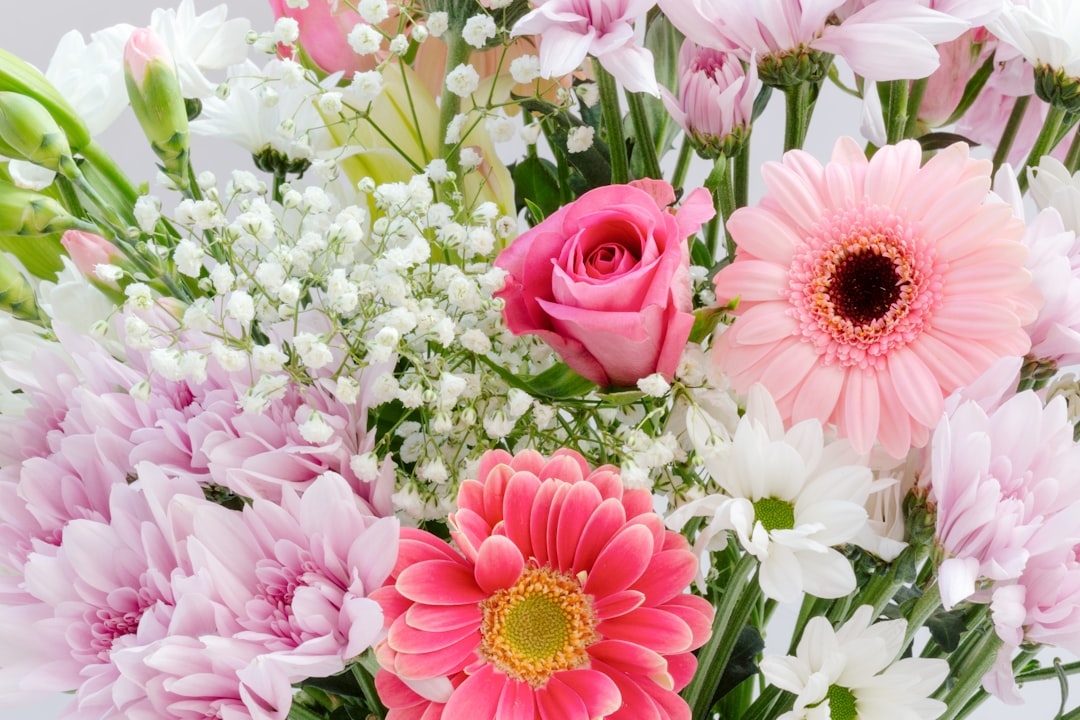
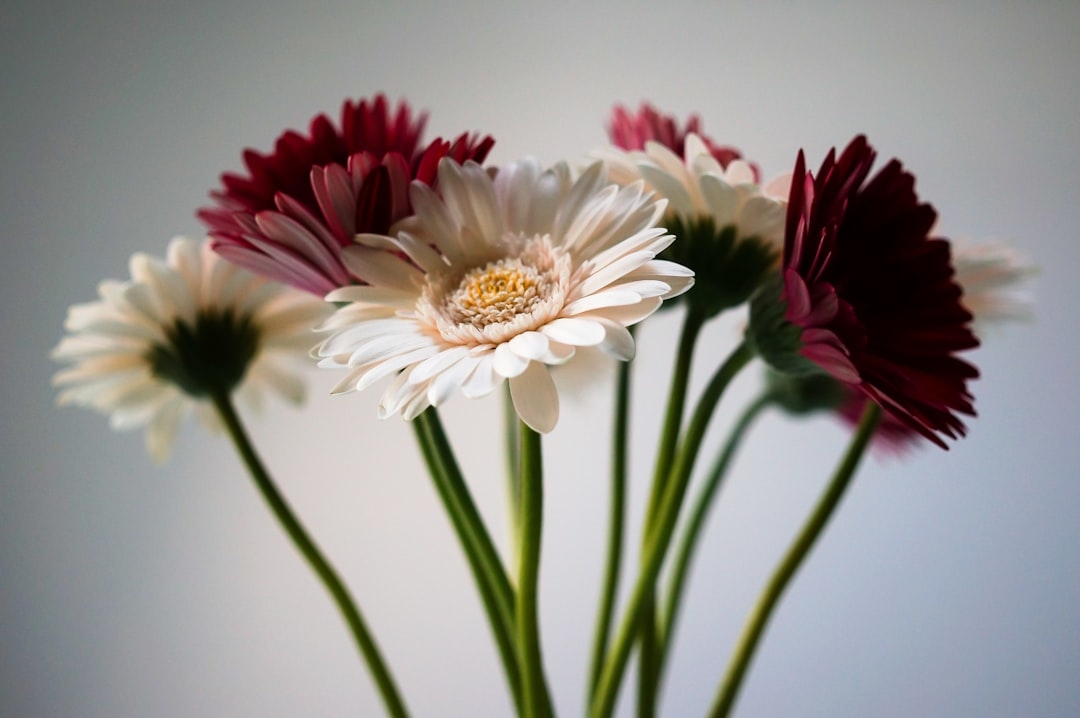
A gerbera daisy is a large, vividly colored flower belonging to the genus Gerbera, native to South Africa. Known for their bold petals and black or green centers, gerbera daisies are among the most popular cut flowers in the U.S. after roses, carnations, and lilies. They come in a wide range of colors, including red, orange, pink, yellow, and white, and can last up to two weeks in a vase with proper care.
The Gerbera Daisy at a Glance
| Feature | Details |
|---|---|
| Genus & Family | Gerbera, Asteraceae (daisy family) |
| Native Region | South Africa, Madagascar, Asia |
| Vase Life | 7-14 days (with flower food and clean water) |
| Popular Colors | Red, orange, yellow, pink, white, bi-color |
| Average Cost (2026) | $2.50-$5 per stem at U.S. florists; bouquets from $30 and up |
| Bloom Size | 2 to 5 inches across |
| Symbolism | Cheerfulness, innocence, purity |
| Top US Retailers | 1-800-Flowers, UrbanStems, Farmgirl Flowers, ProFlowers |
“Gerbera daisies are the sunshine of the floral world. They’re the first flower most people notice, and for good reason.”
– Allison Porter, AIFD Certified Floral Designer
Gerbera Daisy Varieties and Colors
A Rainbow of Options
Gerberas come in hundreds of varieties, but most florists in the U.S. stock about 8-10 core cultivars year round. The classic “Jamesonii” hybrid leads the pack, while mini-gerberas (often called Germinis) offer smaller blooms perfect for boutonnieres and compact vases.
Common gerbera daisy colors found in American flower shops:
- Classic Red (‘Ruby Red’)
- Hot Pink (‘Festival Light’)
- Sunshine Yellow (‘Golden Serena’)
- Orange (‘Orange Triumph’ and ‘Parade’)
- Lemon/Lime
- Clean White (‘Polar Bear’)
- Bi-colors and Pastels – pink-tipped whites, apricot-peach blends, “candy stripe” varieties
According to the Society of American Florists’ 2026 trend report, two-tone and pastel gerberas are in high demand for weddings and baby showers.
Standard vs. Mini Gerberas
| Type | Bloom Size | Typical Use | Vase Life |
|---|---|---|---|
| Standard | 3-5 inches | Bouquets, centerpieces | 7-14 days |
| Mini (Germini) | 2-3 inches | Corsages, boutonnieres, jars | 5-10 days |
The Symbolic Meaning of Gerbera Daisies
The gerbera daisy’s reputation as the “happy flower” isn’t just for marketing. Across cultures and occasions, they’re chosen for their symbolism:
- Cheerfulness: The bright colors radiate positivity; psychologists often recommend displaying them in home offices to lift mood.
- Innocence & Purity: White and pink gerberas are classic choices for new baby arrangements and sympathy bouquets.
- Gratitude & Joy: Orange and yellow varieties are a staple in graduation and thank-you bouquets.
A 2022 Harris Poll found that 62% of Americans associate gerberas with “happiness” or “good news.”
How to Care for Gerbera Daisies (Cut Flowers)
Gerberas need a little extra TLC compared to hardier blooms like carnations or mums. Their stems can be prone to bending (called “stem droop”), but with the right steps, you’ll get the longest vase life.
Step-By-Step Cut Flower Care
- Trim Stems: Use sharp, clean shears to cut stems at a 45° angle, about one inch from the bottom.
- Support Stems: Place in shallow water (just 2-3 inches deep). Gerberas absorb water best from the bottom, but too much water can cause rot.
- Flower Food: Always add packet flower food (provided by most florists). If unavailable, a pinch of sugar and a drop of bleach helps deter bacteria.
- Change Water Daily: This is crucial for gerberas. Rinse the vase and refill with fresh, cool water daily.
- Remove Foliage: Strip any leaves below the waterline to prevent rot and bacteria.
- Keep Cool: Display away from direct sun, heat vents, and ripening fruit (which releases ethylene that shortens vase life).
Florist Mia Tran, owner of Petal Press Blooms in Seattle, notes:
“Gerbera stems are hollow and delicate. Keeping water levels low – and changing it every day – is the difference between a floppy stem by day three, and a flower that lasts two weeks.”
Gerberas in the Home & Garden
Indoor Arrangements
Gerberas offer punchy color in everything from birthday bouquets to get-well-soon arrangements. For maximum visual impact:
- Pair gerberas with smaller accent flowers like statice, waxflower, or baby’s breath.
- Combine 3-5 colors in one vase for bold cheer.
- Use a tall, narrow vase to help support the long stems.
Outdoor Use
Gerbera daisies also thrive in outdoor gardens (USDA zones 8-11). In cooler climates, treat as annuals or bring containers inside for winter.
- Soil: Well-drained, slightly acidic soil (pH 5.5-6.5)
- Light: 6+ hours of sun per day
- Water: Consistent moisture; avoid waterlogged soil
The American Horticultural Society recommends starting with disease-resistant cultivars like ‘Patio’ or ‘Drakensberg Daisy’ series for best results.
Where to Buy Gerbera Daisies in the US (2026 Update)
Gerberas are available year-round, but quality and price can vary with the season.
- Florists: Local shops (average $3-$5 per stem)
- Grocery Stores: Chains like Trader Joe’s or Whole Foods (bouquets from $9.99)
- Online Retailers: UrbanStems, ProFlowers, 1-800-Flowers, Bouqs, and Farmgirl Flowers all offer next-day gerbera delivery in most US cities.
Example: UrbanStems’ “Sunbeam” bouquet features 5 yellow gerberas, greenery, and free shipping for $52 (2026 pricing).
For those seeking specialty colors or bulk orders (think weddings or corporate events), direct-from-farm services like FiftyFlowers or FlowerMoxie can deliver gerberas overnight, packed with eco-friendly hydration wraps.
Gerbera Daisies vs. Other Popular Blooms
A quick comparison for choosing the right flower for your arrangement:
| Flower | Vase Life | Symbolism | Price per Stem (2026) | Best Use |
|---|---|---|---|---|
| Gerbera Daisy | 7-14 days | Cheerfulness, joy | $2.50-$5 | Bold bouquets, events |
| Rose | 5-10 days | Love, romance | $3-$8 | Romance, classic gifts |
| Carnation | 10-21 days | Affection, good luck | $1-$2.50 | Long-lasting bouquets |
| Sunflower | 5-7 days | Adoration, loyalty | $2-$4 | Summer, rustic themes |
Gerberas stand out for their saturated color and size–eclipsing even sunflowers in visual impact for smaller arrangements.
Gerbera Daisies in Weddings, Events, and Everyday Life
Weddings & Parties
Gerberas are a favorite for 2026 wedding palettes, especially for couples aiming for a playful, nontraditional vibe. Their broad range of colors and lower cost per stem make grand installations possible on a budget.
- Bridal bouquets: Pairing hot pink gerberas with roses and greenery.
- Table decor: Low vases or bud vases with single stems.
- Event backdrops: Flower walls and arches.
Everyday Occasions
- Get Well Soon Gifts: Bright, sturdy flowers that last.
- Thank You Arrangements: Yellow and orange to express gratitude.
- Birthdays: Multi-colored bouquets for instant cheer.
According to FTD’s 2025 annual sales report, gerberas made up 17% of all non-rose bouquet sales in the U.S.–a testament to their enduring popularity.
Common Problems and How to Fix Them
Gerbera owners occasionally run into a few quirks. Here’s what you need to know:
- Drooping Stems: Caused by bacteria or too much water–change water daily, and recut stems under running water.
- Powdery Mildew (Potted Plants): Ensure good airflow, avoid overhead watering, use a mild fungicide if necessary.
- Petal Browning: Usually due to age or excess heat; keep arrangements cool and out of bright sun.
If your gerbera isn’t thriving, check the stem ends. A brown, mushy end means it’s time to trim and refresh the water.
Gerbera Daisy FAQ
How long do gerbera daisies last in a vase?
With daily water changes and proper care, cut gerbera daisies can last between 7 and 14 days.
Are gerbera daisies safe for pets?
Yes, gerbera daisies are non-toxic to cats and dogs, making them a pet-safe flower choice for homes.
Do gerbera daisies purify the air?
According to a NASA Clean Air Study, gerbera daisies can remove toxins like benzene and formaldehyde from indoor air, though large numbers would be needed for significant effect.
Can I grow gerbera daisies indoors?
Gerberas can be grown indoors in pots, but they require bright sunlight (6+ hours daily) and well-draining soil for best results.
When are gerbera daisies in season in the US?
Gerberas are available all year, but their peak season in the U.S. is spring to early fall (March through September).
Ready to add a pop of color to your home or next celebration? The humble gerbera daisy turns any moment into a statement. Pick up a few at your local farmer’s market, or treat someone to a bright bouquet online–these happy flowers are proof that a little extra color can go a long way.