Contents:
- Quick Answer: Which Flowers Are Commonly Used to Make Natural Dyes?
- Why Are Flower-Based Dyes Making a Comeback in 2026?
- How Flower Dyes Work: Petals to Pigment
- Extraction Methods
- Dye Color Chart: What To Expect
- Seven Flowers for Vibrant Natural Dyes
- Marigold (Tagetes spp.)
- Coreopsis (Coreopsis tinctoria)
- Hollyhock (Alcea rosea)
- Black-Eyed Susan (Rudbeckia hirta)
- Dyer’s Chamomile (Anthemis tinctoria)
- Hibiscus (Hibiscus sabdariffa)
- Sunflower (Helianthus annuus)
- Eco-Friendly Floristry: Growing Your Own Dye Flowers
- US Home-Gardener Tips
- Where to Buy Dye Flower Seeds in the US
- Natural Dyes vs. Synthetic: What’s the Difference for Crafters?
- Pull-Quote
- Pulling It Together: Project Ideas for US Florists, Makers, and Parents
- FAQ: Flowers Used to Make Natural Dyes
- What flowers produce the strongest natural dyes?
- Can you use store-bought flowers for dyeing?
- How long do natural flower dyes last on fabric?
- Are flower dyes safe for children’s crafts?
- Where can I learn more about natural dyeing with flowers in the US?
- Ready to Get Started?
Flowers Used to Make Natural Dyes
There’s a moment in every florist’s week–the snip of shears, the fragrance of fresh-cut marigolds–when you wonder what else these flowers could do beyond bouquets. Imagine, instead of tossing faded blooms, you’re transforming them into lush, buttery yellows and deep indigos to dye your linens or yarn–no synthetic chemicals, just petals and water. Throughout US history, from Colonial-era homespun to modern upcycled t-shirts, flowers have quietly colored our world.
Quick Answer: Which Flowers Are Commonly Used to Make Natural Dyes?
The most popular flowers used for natural dyes in the United States are marigold (Tagetes), coreopsis (Coreopsis tinctoria), dyer’s chamomile (Anthemis tinctoria), hollyhock (Alcea rosea), black-eyed Susan (Rudbeckia hirta), sunflower (Helianthus annuus), and hibiscus (Hibiscus sabdariffa). Each offers a distinct dye color, from yellow and orange to pink and purple, depending on extraction methods and mordants.
Why Are Flower-Based Dyes Making a Comeback in 2026?
Farmers’ markets in cities like Austin and Seattle now feature bundles of “dye flowers” alongside edibles. Eco-fashion designers such as Mara Hoffman have cited marigold and coreopsis dyes in their 2026 collections, touting them as lower-impact alternatives to synthetic dyes. According to the American Floral Endowment, US demand for natural dye plants increased 28% from 2024 to 2026–a shift partly fueled by eco-conscious crafters and rising concerns about water pollution from textile factories (source: AFE Sustainability Report, 2026).
“There’s something deeply satisfying about coloring a scarf or a set of napkins with blossoms you grew yourself,” says Tara James, founder of Brooklyn Dyes and certified horticulturist.
How Flower Dyes Work: Petals to Pigment
Extraction Methods
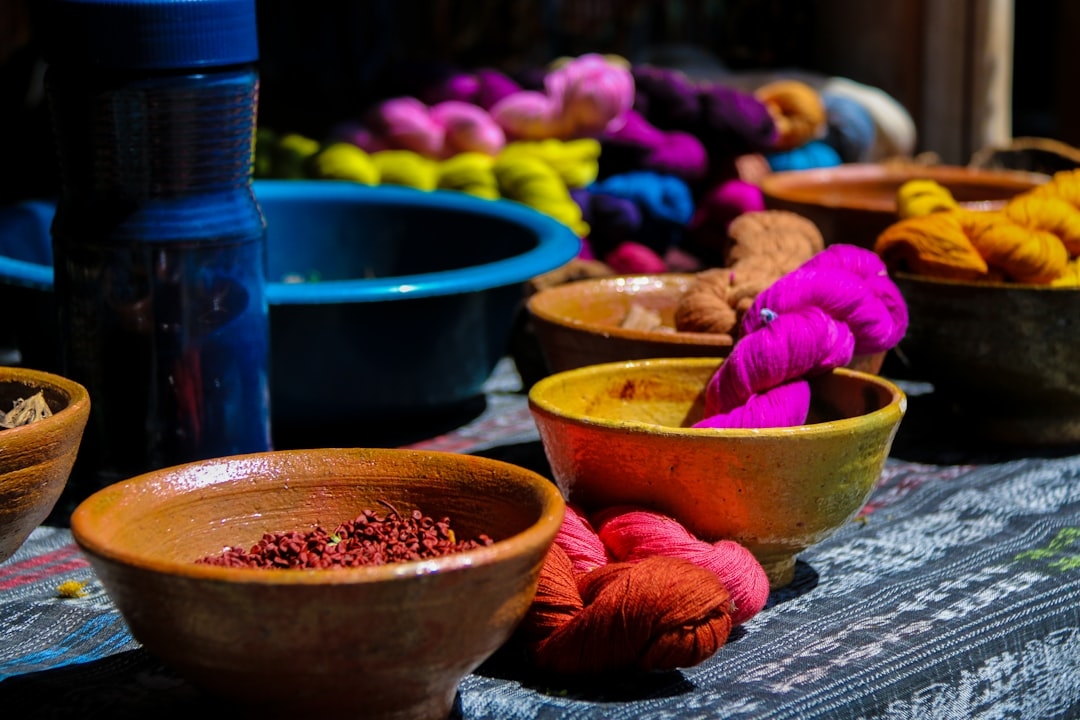
Natural dyes from flowers are made by simmering petals in hot water. The process usually takes 20-60 minutes; petals are strained out, and the resulting liquid becomes the dye bath. The object to be dyed must be pre-soaked in a mordant–a fixative, often alum powder (about $5/4 oz at most US craft stores)–to help the color bind to fibers.
Dye Color Chart: What To Expect
| Flower | Typical Dye Color | Best On | Notes |
|---|---|---|---|
| Marigold (Tagetes) | Yellow, gold | Cotton, wool | Intense, bright tones |
| Coreopsis (C. tinctoria) | Orange-red, rust | Wool, silk | Varies with pH |
| Hollyhock (A. rosea) | Lavender, purple | Wool, silk | Needs acid for best color |
| Black-eyed Susan | Olive green, yellow | Wool | Softer green with iron modifier |
| Dyer’s Chamomile | Light yellow | Wool | Similar to marigold, paler |
| Hibiscus | Pink, burgundy | Silk, wool | Turns gray with base additives |
| Sunflower petals | Pale yellow, green | Cotton | Can produce green with iron |
Test swatches are always recommended. Color can vary with water pH, petal freshness, and even soil conditions.
Seven Flowers for Vibrant Natural Dyes
1. Marigold (Tagetes spp.)
Every American gardener knows marigolds for pest-repelling and border planting, but their petals are a powerhouse for dyeing. In 2026, marigold seeds cost about $3/packet at growers like Johnny’s Selected Seeds. Their dye gives sunshine yellows to deep golds–ideal for bright scarves, kitchen towels, or even Easter eggs.
2. Coreopsis (Coreopsis tinctoria)
Nicknamed “plains coreopsis,” this wildflower is ubiquitous across Midwest prairies and Texas roadsides. Its petals yield warm oranges and rusty reds on wool or silk. Mix with alum for vibrant oranges, or add vinegar to deepen the red tones.
3. Hollyhock (Alcea rosea)
Tall, old-fashioned hollyhocks thrive in US cottage gardens and urban plots. Black hollyhock petals can make dusky purples or even near-blue dyes when alum or vinegar is added. According to Katrina Lin, a San Francisco fiber artist, “Hollyhocks give a nuanced, moody purple–absolutely magical on silk.”
4. Black-Eyed Susan (Rudbeckia hirta)
This American meadow classic offers olive greens and soft yellows, especially when combined with an iron modifier (such as rusty nails–a favorite hack among seasoned dyers). Most impactful on wool yarn.
5. Dyer’s Chamomile (Anthemis tinctoria)
A cousin of the daisy, dyer’s chamomile blooms from late spring into fall. Its golden yolk centers yield pale buttery yellows. Less intense than marigold, but revered for subtlety in eco-conscious textile studios.
6. Hibiscus (Hibiscus sabdariffa)
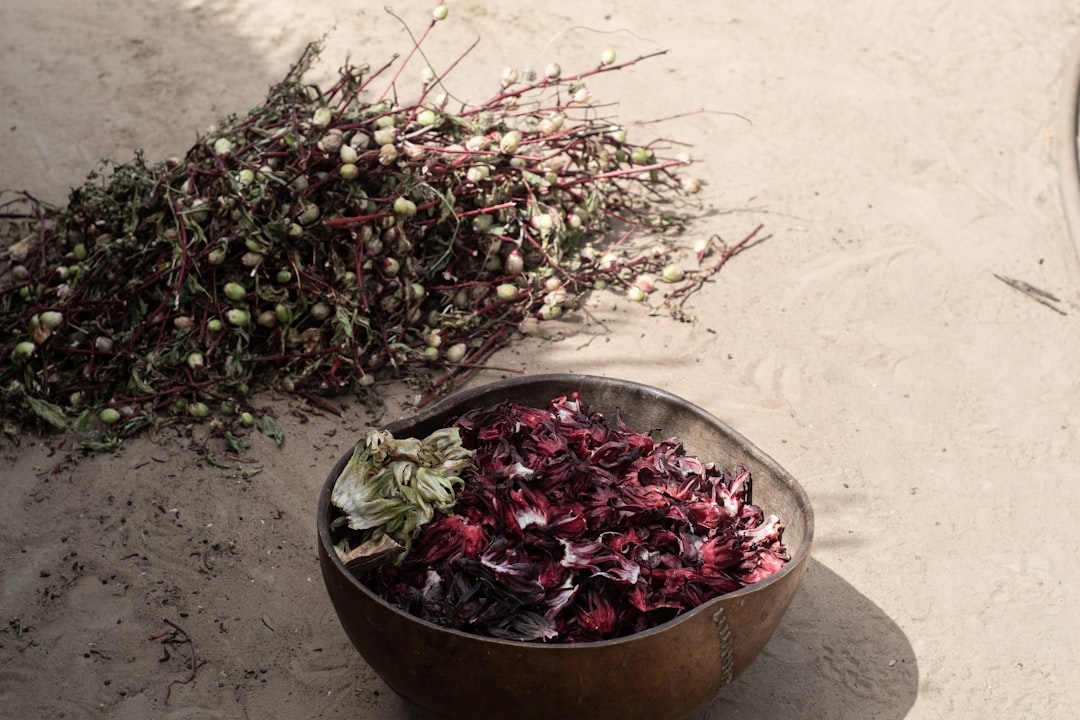
Already a favorite in US kitchens for tea, hibiscus petals make juicy pinks and deep burgundies. On cotton, the color may fade to gray, but on wool or silk, it’s stunning–and popular in LA’s indie fashion studios.
7. Sunflower (Helianthus annuus)
Sunflowers aren’t just for seeds–petals dye fabric pale yellows or yellow-greens. Add iron for a gentle green, or pair with marigold for layered color effects.
Eco-Friendly Floristry: Growing Your Own Dye Flowers
US Home-Gardener Tips
- Start with easy blooms: Marigold, coreopsis, and black-eyed Susan prosper in zones 3-9.
- Harvest at peak color: Pick petals at full bloom for maximum pigment.
- Dual-purpose:
- Many dye flowers also attract pollinators.
- Some, like marigold and coreopsis, are edible or medicinal.
Where to Buy Dye Flower Seeds in the US
- Johnny’s Selected Seeds
- Baker Creek Heirloom Seeds
- American Meadows (special “Dye Garden” kits for 2026)
Packets run $3-$7, and most dye flowers are annuals. A single packet can supply a dye artist all season.
Natural Dyes vs. Synthetic: What’s the Difference for Crafters?
| Natural Flower Dyes | Synthetic Dyes | |
|---|---|---|
| Sustainability | Biodegradable; low-impact | Petrochemical-based; high-impact |
| Color Range | Subtle, earthy hues | Wide, intense spectrum |
| Lightfastness | May fade in sun | Very stable |
| Safety | Non-toxic, skin-safe | Some may be allergenic/toxic |
| Cost (home use) | $2-7 per batch | $5-20 per bottle |
| Skill Level | Beginner-friendly | Also beginner, less variation |
| American Market Trends | Growing (28% since 2024) | Stable, but decreasing in DIY |
“Synthetic dyes are great for consistency, but nothing beats the nuance of a flower-dyed silk scarf,” says Rajiv Mehta, textile scientist at Chicago’s Field Museum.
Pull-Quote
“The colors from natural flowers have a life and warmth to them that you just don’t get from a bottle.”
– Tara James, founder, Brooklyn Dyes
Pulling It Together: Project Ideas for US Florists, Makers, and Parents
- Upcycle old t-shirts or napkins with marigold or hibiscus dye baths.
- Host a dye-your-own flower event (increasingly popular at NY and LA flower bars in spring 2026).
- Kits for schools or Girl Scout troops: Teach kids about botany, chemistry, and American folk art.
Many US florists now offer “petal dye samplers” ($15-$25) as add-ons for bouquet delivery via services like UrbanStems or Floom, letting customers experiment at home.
FAQ: Flowers Used to Make Natural Dyes
What flowers produce the strongest natural dyes?
Marigold, coreopsis, and black hollyhock are widely considered the most potent flowers for natural dyeing in the US. They offer vibrant yellows, oranges, and purples, respectively, and their pigments are strong enough for lasting color on wool and silk.
Can you use store-bought flowers for dyeing?
Yes, but results may vary. Many store-bought flowers are treated with pesticides or preservatives, which can affect dye quality or safety. For best results, use organically-grown flowers, often available from local florists or farmers’ markets.
How long do natural flower dyes last on fabric?
With proper mordanting (setting the dye), natural flower dyes can last years, especially on animal fibers like wool and silk. However, they may fade with repeated washing or sun exposure. Keeping dyed items out of direct sunlight helps preserve colors.
Are flower dyes safe for children’s crafts?
Generally, yes. Flower dyes are non-toxic and safe for supervised children’s activities, making them a favorite for school projects and summer camps in the US. Always check for plant allergies first.
Where can I learn more about natural dyeing with flowers in the US?
Community education centers, local fiber arts guilds, and online courses (such as those on Craftsy or Skillshare) offer workshops across the US. Several American botanical gardens, like NYBG in New York and the Missouri Botanical Garden, also host annual dyeing events as of 2026.
Ready to Get Started?
Try growing your own dye garden this year–start with marigold and coreopsis seeds. Save flower heads after they fade, and experiment with small-batch dye projects at home. Many US florists now partner with local makers to supply “dye flower” bouquets. This spring, color a scarf or tee with flowers you grew yourself–your wardrobe and your kitchen table will both thank you.