Contents:
- Why Are Flowers the Symbol of Mother’s Day? (Direct Answer)
- The Origins: Mother’s Day Begins With Carnations
- Anna Jarvis and the First Mother’s Day
- How Carnations Became “The” Mother’s Day Flower
- The Rise of Commercialism (and the Backlash)
- From Sentiment to Sales
- Anna Jarvis Fights Back
- Brands, Bouquets, and Modern Marketing
- Beyond Carnations: Flower Trends for Mother’s Day
- What Flowers Mean (And Why It Matters)
- Regional and Generational Differences
- The Secret Language of Flowers: Floriography and Mother’s Day
- Eco-Friendly Floristry: A Growing Movement
- The Environmental Cost of Mother’s Day Flowers
- Greener Choices for 2026
- How to Choose the Perfect Mother’s Day Flowers in 2026
- FAQ: Mother’s Day Flowers
- What is the most popular flower for Mother’s Day in the US?
- Can I send something other than flowers for Mother’s Day?
- Why are flower prices higher around Mother’s Day?
- Are there eco-friendly options for Mother’s Day bouquets?
- Is there a flower that means “motherhood”?
The Surprising History of Mother’s Day Flowers
Picture a mother in 1920s Kansas, hands dusted with flour, surprised by a delivery of pink carnations. That scene–still quietly powerful–links us to a tradition that’s deeper and more complex than a simple bouquet. While today’s Mother’s Day flowers light up Instagram feeds and fuel billion-dollar industries, their significance is rooted in protest, peace, and–believe it or not–a campaign against commercial excess.
Why Are Flowers the Symbol of Mother’s Day? (Direct Answer)
Flowers became the symbol of Mother’s Day in the United States largely because of Anna Jarvis, founder of the holiday. In 1908, she distributed 500 white carnations–her mother’s favorite flower–at her church in West Virginia. Carnations, especially white ones, quickly became associated with the day, representing purity, love, and remembrance. By the 1920s, florists and greeting card companies popularized the giving of other blooms as well, cementing flowers as the go-to Mother’s Day gift.
The Origins: Mother’s Day Begins With Carnations
Anna Jarvis and the First Mother’s Day
Anna Jarvis organized the first official Mother’s Day celebration in 1908, honoring her late mother, Ann Reeves Jarvis, who was known for her social activism and care during the Civil War. Anna chose carnations for a reason: they were her mother’s favorite, and the flower’s delicate beauty symbolized a mother’s enduring love.
By 1914, President Woodrow Wilson officially established the second Sunday in May as Mother’s Day. White carnations became the traditional emblem. According to Dr. Leslie Bloom, PhD, a historian specializing in American cultural traditions, “No other holiday has seen a single flower so thoroughly define its spirit in the US as the carnation did for early Mother’s Day.”
How Carnations Became “The” Mother’s Day Flower
By the early 1920s, florists were struggling to meet demand. Newspapers from 1922 report that wholesale prices for carnations doubled in the weeks before Mother’s Day. Some churches even asked families not to wear real flowers to services, worried about cost and scarcity.
“The white carnation is to Mother’s Day what the Valentine is to February 14. It’s not just a token; it’s a tradition.” –Eleanor Wright, 1923, founder of Wright’s Flowers, St. Louis
The Rise of Commercialism (and the Backlash)
From Sentiment to Sales
By the 1930s, Mother’s Day had become a major retail event. Florists, candy makers, and greeting card companies heavily promoted the holiday. In 2026, the National Retail Federation projects Americans will spend over $3.6 billion on flowers for Mother’s Day, with roses, lilies, and mixed bouquets trending strongly on platforms like FTD, Teleflora, and UrbanStems.
Anna Jarvis Fights Back
Ironically, Anna Jarvis herself grew furious at commercial exploitation of a day she intended to be personal and heartfelt. She organized boycotts, wrote letters to major newspapers, and once even crashed a candymakers’ convention to protest what she called the “profiteering” around Mother’s Day gifts.
Brands, Bouquets, and Modern Marketing
Today, brands like 1-800-Flowers, ProFlowers, and Bouqs tailor campaigns around Mother’s Day, offering timed delivery, custom arrangements, and even “subscription flowers” that keep the love going all year. The modern flower industry owes much of its Mother’s Day revenue–typically 25% of annual sales for some small florists–to this one day.
| Year | Avg. Spent on Flowers (per person) | Top-Selling Flowers |
|---|---|---|
| 1920 | $1.50 (approx. $25 in 2026) | Carnations |
| 1980 | $8.50 | Roses, lilies |
| 2026 | $42.00 | Roses, tulips, mixed |
Beyond Carnations: Flower Trends for Mother’s Day
What Flowers Mean (And Why It Matters)
- Carnations: Still popular, especially for traditionalists. White for remembrance, pink for gratitude.
- Roses: Red for love, yellow for friendship, pink for admiration. In 2026, nearly 40% of Mother’s Day bouquets feature roses, according to BloomStat Analytics.
- Lilies: Represent devotion and motherhood.
- Tulips: A spring favorite, symbolizing cheerful elegance.
- Peonies: Short season, but majorly popular for their romance and lush appearance.
Regional and Generational Differences
In the US Northeast, peonies and tulips are top picks in 2026, with florists in Boston and New York reporting record sales. In the South, hydrangeas and magnolias (sometimes grown in home gardens) remain favorites.
Younger consumers–especially Millennials and Gen Z–often choose “designer” bouquets from eco-friendly brands like Farmgirl Flowers or enjoy “experiences” such as flower-arranging workshops as gifts.
The Secret Language of Flowers: Floriography and Mother’s Day
Victorian-era floriography–the art of communicating through flowers–still influences bouquets today. While not everyone knows the meanings by heart, florists often sneak in symbolic touches:
- Iris for wisdom
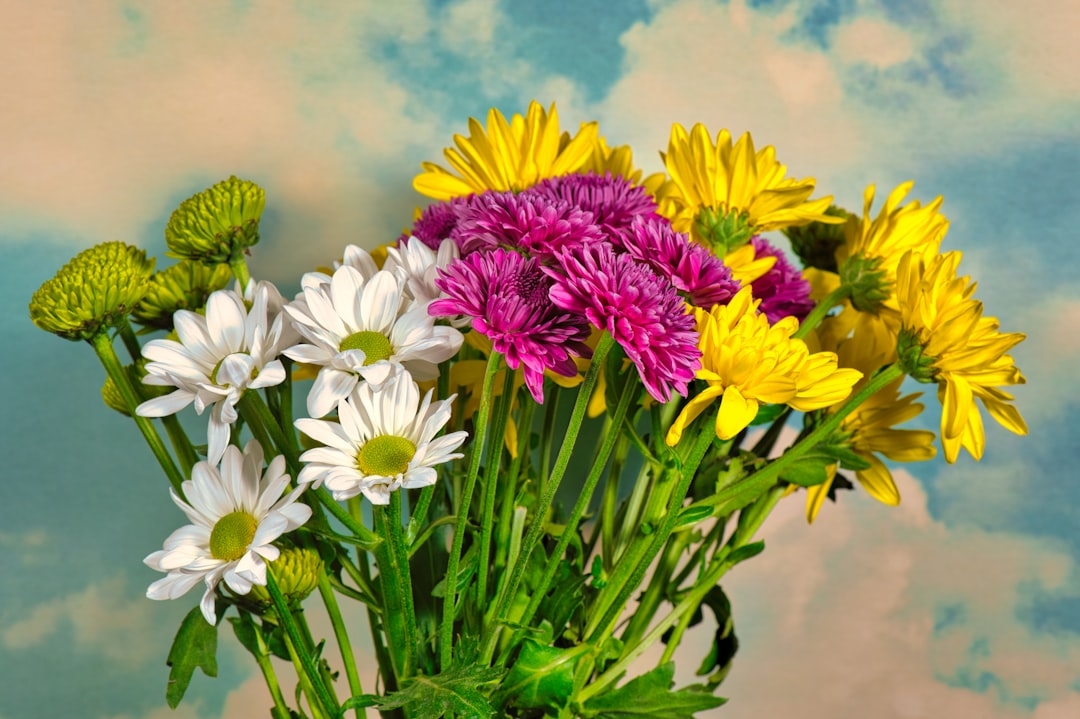
- Daisies for innocence and mother-child bonds
- Orchids for rare beauty and strength
“An artfully chosen mix tells a richer story,” says Zoe Grant, owner of Dallas-based Grant’s Garden Florals. “A bouquet becomes a memory, not just a decoration.”
Eco-Friendly Floristry: A Growing Movement
The Environmental Cost of Mother’s Day Flowers
Transporting millions of stems–often flown in from Colombia, Ecuador, or Kenya–leaves a carbon footprint. In 2025, Americans imported over 2.2 billion cut flowers for Mother’s Day alone (US Department of Agriculture). Chemicals for preservation and plastic wrap add to the impact.
Greener Choices for 2026
- Local blooms: Seek out US-grown flowers; look for certifications like “American Grown” or shop farmer’s markets.
- Eco-conscious brands: Companies like Bouqs and UrbanStems offer “green” lines–organic, pesticide-free, and fair labor certified.
- Living plants: Potted orchids, succulents, or hydrangeas are increasingly popular as sustainable alternatives.
How to Choose the Perfect Mother’s Day Flowers in 2026
- Consider her favorites: Ask her or a close relative discreetly if you’re unsure.
- Personalize the arrangement: Add a unique touch, such as a handwritten note or including a flower from her wedding bouquet.
- Shop early: Orders peak the Wednesday before Mother’s Day. For best selection and delivery, buy at least 1-2 weeks ahead.
- Support local florists: Not only do you get fresher blooms, you also boost small businesses struggling against national chains.
FAQ: Mother’s Day Flowers
What is the most popular flower for Mother’s Day in the US?
Carnations were the original Mother’s Day flower, but roses have overtaken them in popularity. In 2026, roses make up 38% of all Mother’s Day bouquets sold by US florists.
Can I send something other than flowers for Mother’s Day?
Absolutely. Many people gift living plants, flower subscriptions, or experience-based presents like workshops. Some even give “flower arranging kits” for a fun, hands-on twist.
Why are flower prices higher around Mother’s Day?
Seasonal demand spikes drive up wholesale prices. Small florists report paying up to 50% more per stem in the two weeks leading up to Mother’s Day due to limited supply and increased transportation costs.
Are there eco-friendly options for Mother’s Day bouquets?
Yes! Choose locally grown flowers, ask about pesticide-free or organic options, or select potted plants. Brands like Farmgirl Flowers and Bouqs offer eco-certified arrangements in the US.
Is there a flower that means “motherhood”?
Yes. Lilies, especially the daylily, symbolize motherhood and devotion in floriography. Carnations, too, are closely linked with maternal love.
The story behind Mother’s Day flowers is still being written. This year, consider the meaning behind your bouquet. Try a local florist, ask about flower origins, or even assemble your own with a nod to your family’s traditions. A simple arrangement, thoughtfully given, stays true to Anna Jarvis’s vision–a real celebration of the mothers who made us bloom.