Contents:
- Magnolias: Quick Facts and Featured Answers
- Magnolia Types You’ll Spot in the U.S.
- Southern Magnolia (Magnolia grandiflora)
- Star Magnolia (Magnolia stellata)
- Saucer Magnolia (Magnolia × soulangeana)
- Evergreen vs. Deciduous Magnolias
- Magnolia Flowers in Floristry and Decor
- Stunning Arrangements and Symbolism
- Magnolia in American Weddings
- How to Grow Magnolias: Expert Tips
- Choosing Your Magnolia
- Planting and Care
- Common Magnolias for US Gardens (2026 Pricing)
- Are Magnolias Difficult to Grow?
- Common Problems
- Magnolias in American Culture and History
- Magnolia Flower Meanings and Modern Uses
- FAQ: Magnolia Flowers and Floristry
- What is the best time of year to plant a magnolia tree?
- How long do magnolia blooms last?
- Are magnolias toxic to pets?
- Can I grow magnolias in containers?
- Why is my magnolia not blooming?
Everything You Need to Know About Magnolias
On a steamy June morning in Charleston, the scent of magnolia blossoms can stop you in your tracks. Just one creamy-white bloom–its petals as wide as your palm–can perfume an entire backyard. These flowers aren’t just Southern icons. Magnolias tell a story that stretches back millions of years, with roots in ancient forests and branches reaching into American gardens and florists’ studios today.
Magnolias: Quick Facts and Featured Answers
What are magnolias?
Magnolias are ancient, flowering trees and shrubs native to Asia and the Americas. They’re loved for their large, fragrant blooms, which can be white, pink, purple, yellow or even greenish. In the U.S. market, the most common species include Magnolia grandiflora (Southern magnolia), Magnolia stellata (star magnolia), and Magnolia soulangeana (saucer magnolia).
Where do magnolias grow best?
Magnolias flourish in USDA Zones 4-9. They prefer slightly acidic, well-drained soil and thrive in parts of the Southeast, Pacific Northwest, and even in some Midwestern gardens. Some magnolias are evergreen; others drop their leaves each fall.
Bloom time:
Depending on species, magnolias flower from late winter through early summer. The Southern magnolia can produce blooms from May to July.
Why are magnolias special?
With fossil records dating back over 95 million years, magnolias are among the oldest flowering plants on earth–a fact that still thrills botanists like Dr. Camille Price, PhD, Director of Botany at the American Plant Society.
Magnolia Types You’ll Spot in the U.S.
Southern Magnolia (Magnolia grandiflora)
The signature tree of the American South, this magnolia towers up to 80 feet and features glossy, dark green leaves with rust-colored undersides. Its blooms can reach 12 inches across–bigger than most dinner plates. According to a 2025 survey by the National Gardening Association, Southern magnolia was cited as the most desired flowering tree in U.S. home landscapes, especially in Zones 7-9.
Star Magnolia (Magnolia stellata)
A favorite for smaller yards and colder climates (Zones 4-8). Star magnolia’s white, starburst flowers often bloom as early as March, before the leaves appear. The shrub grows to about 10-15 feet tall, making it manageable for urban gardens.
Saucer Magnolia (Magnolia × soulangeana)
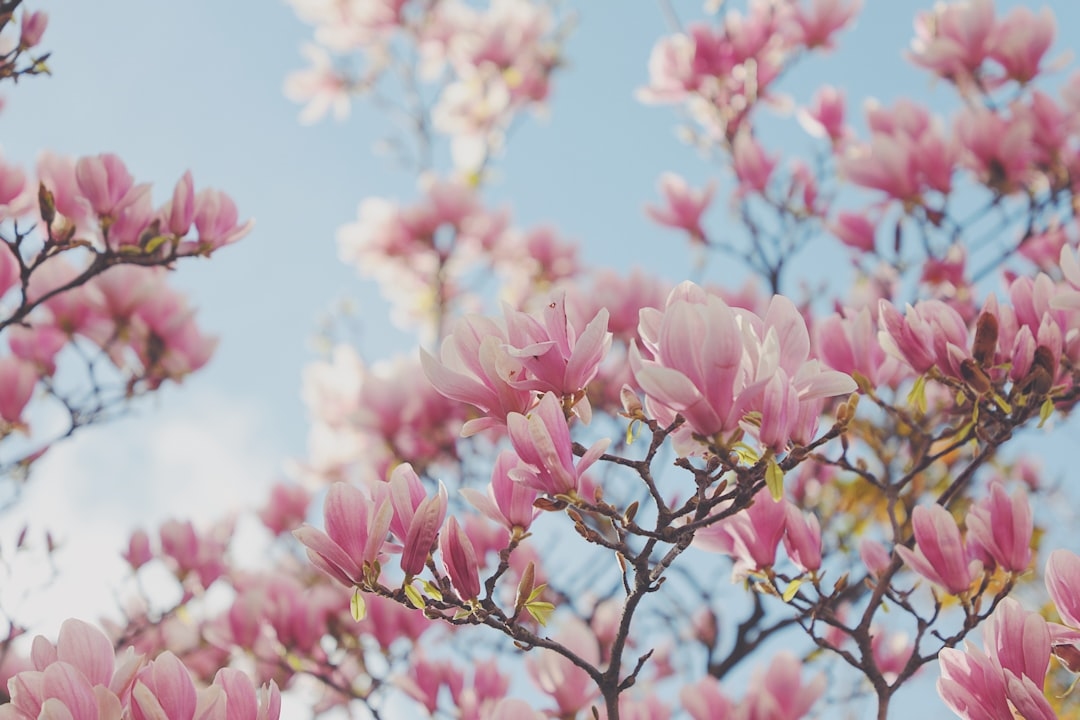
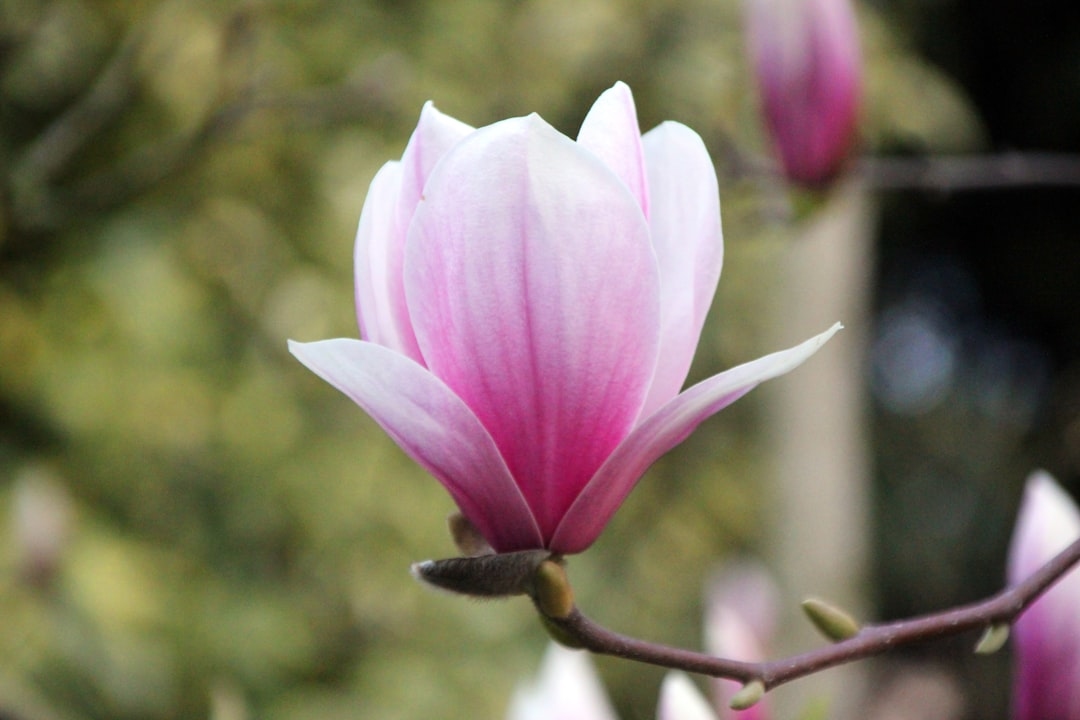
Known for stunning pink-to-purple blooms the size of teacups, this hybrid is a spring showstopper throughout the Midwest and Mid-Atlantic. Its blossoms often appear before leaves, creating dramatic “lollipop” trees in late March and April.
Evergreen vs. Deciduous Magnolias
| Type | Foliage | Hardiness (USDA) | Bloom Time | Example Species |
|---|---|---|---|---|
| Evergreen | Keeps leaves year-round | 7-9 | Late Spring-Summer | Magnolia grandiflora |
| Deciduous | Drops leaves in fall | 4-8 | Late Winter-Spring | Magnolia stellata, M. soulangeana |
Magnolia Flowers in Floristry and Decor
Stunning Arrangements and Symbolism
Magnolia blossoms are notoriously long-lasting on the tree–some stay open for up to 10 days. But cut magnolia blooms are a different story. “Magnolia flowers are showstoppers in spring bouquets, but they’re surprisingly delicate once cut,” notes Jasmine Liu, lead designer at Blossom & Vine Florals in Atlanta.
- Magnolia foliage, with its shiny, two-tone leaves, is prized for garlands, centerpieces, and wedding décor.
- Southern magnolia blooms are used sparingly in arrangements, often as focal points for events or Southern-inspired weddings.
“A single magnolia bloom can anchor a bridal bouquet–nothing else needed but a touch of gardenia or camellia. It’s Southern elegance in a handful,” says Jasmine Liu, AIFD.
Magnolia in American Weddings
In the US, magnolias symbolize nobility, dignity, and perseverance. According to The Knot’s 2026 trend report, magnolia garlands and wreaths are among the top five most-requested floral décor pieces for summer weddings in states like Georgia, Texas, and Louisiana.
How to Grow Magnolias: Expert Tips
Choosing Your Magnolia
- Climate: Check your USDA zone. Star and saucer magnolias tolerate frost; grandiflora needs warmth.
- Space: Southern magnolias need room–at least 30 feet from your house or sidewalk.
- Soil: Magnolias thrive in rich, slightly acidic soils (pH 5.5-6.5). Test your soil, or amend with peat moss and compost.
Planting and Care
- Timing: Plant in early spring or fall for less stress.
- Water: Keep soil evenly moist, at least 1 inch/week (more the first two years). In droughts, deep-water twice monthly.
- Mulch: Add 3-4 inches of bark mulch to conserve moisture and protect shallow roots.
- Pruning: Prune lightly just after blooming, removing only dead or crossing branches.
Common Magnolias for US Gardens (2026 Pricing)
| Species | Mature Size | Flower Color | Hardiness Zone | Typical Nursery Price (5-gal pot) |
|---|---|---|---|---|
| Magnolia grandiflora | 60-80′ tall | White | 7-9 | $95-$175+ |
| Magnolia stellata | 10-15′ tall | White | 4-8 | $55-$90 |
| Magnolia × soulangeana | 20-30′ tall | Pink-purple | 5-9 | $75-$110 |
Pro tip: In southern cities like Houston, Austin, and Savannah, landscapers routinely use Southern magnolias as specimen trees in both private gardens and public spaces.
Are Magnolias Difficult to Grow?
Not if you match the species to your climate and go easy on the watering can. Magnolias dislike “wet feet” (soggy roots), but young trees are thirsty until established.
According to Dr. Camille Price, failure to thrive is most often due to planting too deep or letting the soil dry out in summer.
Common Problems
- Yellow leaves: Usually a sign of poor drainage or alkaline soil.
- No blooms: Too much shade or overpruning can delay flowering by several years.
- Scale insects: Look for sticky leaves and treat with horticultural oil sprays.
Magnolias in American Culture and History
Magnolias aren’t just garden showpieces–they’re woven into U.S. identity. Magnolia grandiflora is both the state tree and state flower of Mississippi (since 1900) and Louisiana’s state flower (since 1900). The “Magnolia State” nickname for Mississippi pays direct homage to this beloved tree.
Magnolia motifs appear on everything from julep cups to vintage postcards. In literature, Harper Lee described Maycomb, Alabama as “a tired old town…with sagging porches and sweltering shade from the big magnolia trees.” Walk historic streets in cities like New Orleans or Natchez, and you’ll spot magnolia buds poking through wrought-iron fences.
Magnolia Flower Meanings and Modern Uses
- Symbolism: Nobility, perseverance, beauty, and the love of nature.
- Essential oils: Magnolia flower oil appears in perfumes by luxury brands like Jo Malone and Le Labo.
- Herbal remedies: Traditional Chinese medicine uses dried magnolia bark (houpu) for its calming properties, though the FDA does not approve it for medical use in the U.S.
FAQ: Magnolia Flowers and Floristry
What is the best time of year to plant a magnolia tree?
Early spring or early fall are ideal, as cooler temperatures allow roots to establish before summer heat or winter cold.
How long do magnolia blooms last?
Most magnolia flowers last 7-10 days on the tree. As cut flowers, they may only last 1-2 days, so florists use them fresh and often cut just before an event.
Are magnolias toxic to pets?
Magnolia flowers and leaves are considered non-toxic to dogs and cats by the ASPCA, though ingesting large amounts of seeds or bark may cause mild digestive upset.
Can I grow magnolias in containers?
Some small varieties, like Magnolia stellata or dwarf hybrids, can be grown in large containers for several years. Use well-draining, acidic potting mix and protect roots from hard freezes.
Why is my magnolia not blooming?
Common reasons include: tree is too young (most need 3-5 years before first blooms), too much shade, or heavy pruning at the wrong time (after buds set).
Planting a magnolia is a patient gardener’s game, but those first blooms are worth every year of waiting. If you have the space, climate, and a spot in your yard that could use a little Southern charm–or you want a symbolic, fragrant addition to your next event–magnolias have a lot to offer. Consider adding a star or saucer magnolia to your garden this season, or talk to your local florist about incorporating those glossy leaves or subtle blooms into your next celebration. The reward? Spectacular beauty that gets better every year.