Contents:
- Which Flowers Look Like Birds?
- The Bird of Paradise: America’s Favorite Bird-Flower
- Why the Bird of Paradise Captures Attention
- Landscaping and Care
- White Egret Orchid: The Elegant Airborne Bloom
- What Makes the White Egret So Special?
- Pull-Quote
- Conservation Note
- The Parrot Flower: Elusive and Exotic
- Why Can’t You Buy Parrot Flower in the US?
- US Alternatives
- Dove Orchid and Green Birdflower: Subtle Surprises for Plant Collectors
- Dove Orchid (Peristeria elata)
- Green Birdflower (Crotalaria cunninghamii)
- Why Do Flowers Mimic Birds?
- Where to Buy Bird-Shaped Flowers in the US
- Major Retail and Specialty Sources
- Price Snapshot (2026)
- How to Arrange Bird Flowers for Maximum Wow
- FAQ: Flowers That Look Like Birds
- What is the most common bird-shaped flower in the US?
- Can I grow bird-shaped flowers indoors?
- Why do so many rare bird flowers have export bans?
- Do bird-shaped flowers attract actual birds?
- Are there any US-native flowers that look like birds?
- Bring a Bit of Magic Home
Flowers that Look Like Birds: Nature’s Incredible Mimics
Perched on a shaded windowsill in Los Angeles, a single parrot flower draws a double take. Is it a bloom, or did a tiny bird just alight there? The world of floristry is full of surprises, but few are as whimsical–or conversation-worthy–as flowers that look like birds. These natural mimics aren’t just Instagram darlings; they’re proof of evolution’s flair for drama, delighting US gardeners and florists alike.
Which Flowers Look Like Birds?
Direct, Scannable Answer
Several flower species are famous for resembling birds. The best-known examples are:
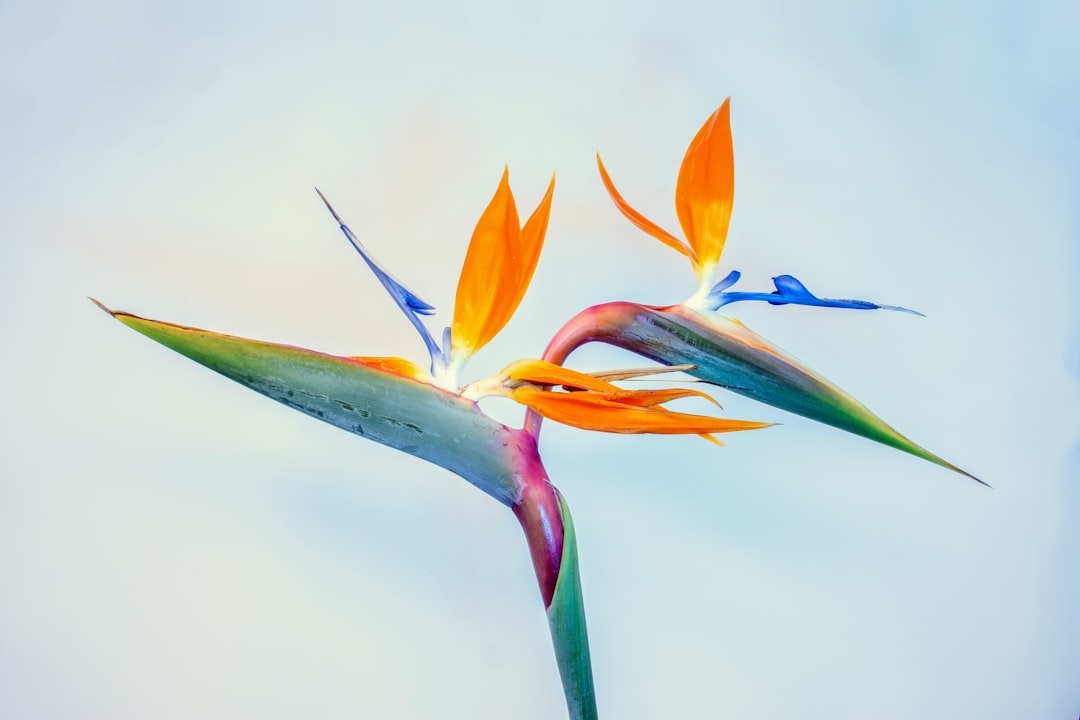
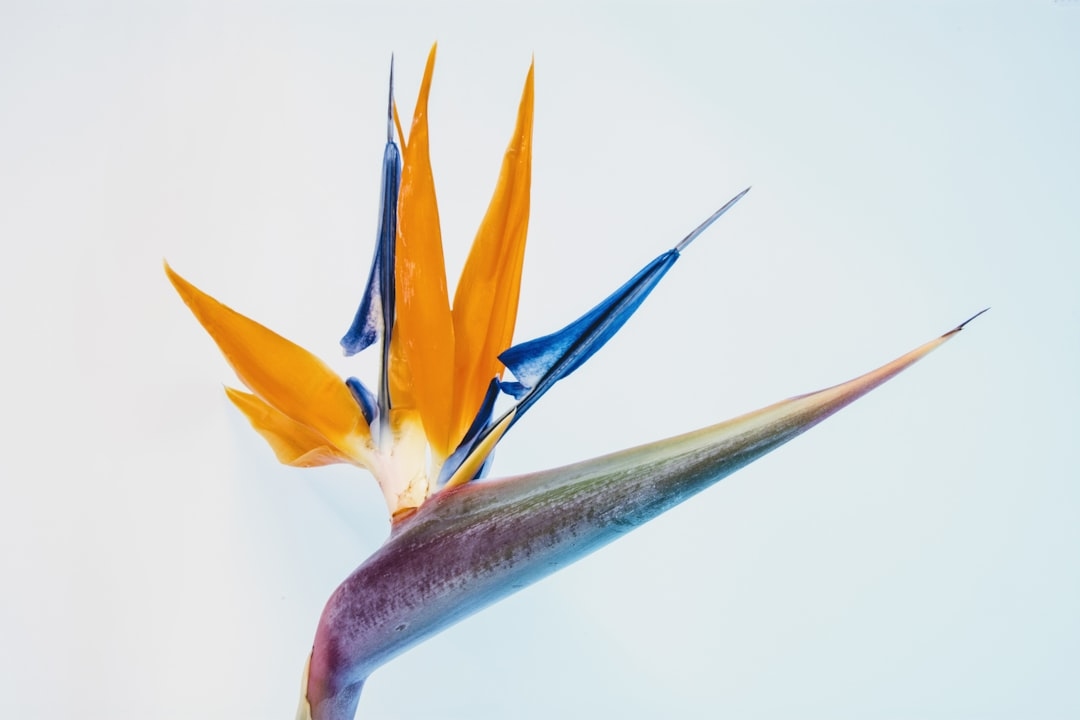
- Bird of Paradise (Strelitzia reginae): Its vibrant orange and blue petals mimic a tropical bird in flight.
- White Egret Orchid (Habenaria radiata): Pure white blossoms that look just like tiny egrets with outstretched wings.
- Parrot Flower (Impatiens psittacina): Flowers shaped strikingly like a flying parrot, found mainly in Southeast Asia.
- Dove Orchid (Peristeria elata): Its central petal resembles a dove nestled inside the bloom.
- Green Birdflower (Crotalaria cunninghamii): Features beak-like curved petals similar to small green birds.
Each offers a unique, birdlike silhouette, making them favorites among collectors and garden designers wanting a touch of the extraordinary.
The Bird of Paradise: America’s Favorite Bird-Flower
Walk into a Miami florist in spring, and you’re almost guaranteed to spot Bird of Paradise stems standing tall in the cooler. These are Strelitzia reginae, native to South Africa but a staple in American landscaping and modern bouquets.
Why the Bird of Paradise Captures Attention
- Vivid Color: Brilliant orange sepals and electric blue petals evoke a tropical bird’s plumage.
- Sculptural Shape: The flower’s arching “beak” and fanned petals create the illusion of a bird about to take flight.
- Year-Round Availability: Imported and greenhouse-grown, these blooms are easily sourced via US services like UrbanStems or ProFlowers, usually at $7-$12 per stem (2026 prices).
- Longevity: Cut flowers last up to two weeks, making them a top pick for home arrangements and event installations.
“Bird of Paradise remains the most-requested ‘bird flower’ among our clients, especially for Miami and LA weddings,” shares Alex Kim, head designer at The Florist Loft, one of New York’s top contemporary florists.
Landscaping and Care
In USDA zones 9-11 (think Florida, Texas, Southern California), Bird of Paradise thrives outdoors. For the rest of the country, it makes a striking houseplant, needing bright light and a bit of patience (blooms appear after 3-5 years from seed).
White Egret Orchid: The Elegant Airborne Bloom
If there’s a flower that could pass for a bird in a ballet, it’s the White Egret Orchid (Habenaria radiata). Native to East Asia but gaining popularity with American collectors, this delicate orchid is pure botanical theater.
What Makes the White Egret So Special?
- Visual Impact: Each 1.5-inch blossom unfurls snowy white “wings” and a slender “neck,” almost indistinguishable from a miniature egret in flight.
- Rare in US Floristry: Still uncommon in US floral shops, but available from specialty growers online (expect to pay $25-$40 per bulb in 2026).
- Growth Requirements: Best suited for indoor cultivation or outdoor pots in shaded, humid environments (USDA zones 6-9).
Pull-Quote
“The White Egret Orchid stops people in their tracks. It’s as close as you get to growing a flock of birds on your windowsill.”
– Marissa Holden, orchid enthusiast and founder of Holden’s Rare Blooms, Denver
Conservation Note
As of 2026, several wild habitats face threats from development and over-collection. Purchase bulbs from certified US growers who propagate ethically.
The Parrot Flower: Elusive and Exotic
Impatiens psittacina is the elusive superstar of bird-shaped blooms. Native to Thailand, India, and Myanmar, its magenta, cream, and green petals uncannily form the silhouette of a parrot mid-flight.
Why Can’t You Buy Parrot Flower in the US?
- Legality: Strict export bans from native countries make this flower a unicorn in American gardens.
- Growing Difficulty: Even if you do manage to obtain seeds (usually black-market and unreliable), it needs specific humid, cool-highland conditions.
- Visual Magic: When it does bloom, the resemblance is so exact that botanist Sir Joseph Dalton Hooker named it psittacina–Latin for parrot–in 1901.
US Alternatives
Given its rarity, US florists often substitute with “parrot tulips” or vibrant Strelitzia. If you ever encounter a true Parrot Flower, it’s likely at a botanic garden engaged in international research and conservation.
Dove Orchid and Green Birdflower: Subtle Surprises for Plant Collectors
Dove Orchid (Peristeria elata)
Look closely at the center of a Dove Orchid, and you’ll see a perfect tiny dove, wings folded, inside the bloom. This species is Panama’s national flower, and on rare occasions is offered by US orchid clubs.
- Conservation Status: Endangered; illegal to export from the wild. Only buy from reputable tissue-culture growers.
- US Market Note: Blooms are sometimes featured at American Orchid Society shows, drawing crowds for their almost supernatural mimicry.
Green Birdflower (Crotalaria cunninghamii)
Native to Australia but grown by a handful of US specialty nurseries, the Green Birdflower’s lime-colored blossoms look just like tiny hummingbirds sipping nectar.
- Unusual Color and Shape: Not your typical garden flower. Makes an offbeat addition for collectors who love conversation starters.
- Propagation: Best grown from seed in warm, dry climates (USDA zones 9-11).
| Flower Name | Bird It Resembles | Availability in US | Price Range (2026) | Key Feature |
|---|---|---|---|---|
| Bird of Paradise | Tropical bird | Common | $7-$12 per stem | Bright, long-lasting |
| White Egret Orchid | Egret (crane) | Rare/specialty | $25-$40 per bulb | Delicate, snowy white |
| Parrot Flower | Parrot | Not available | N/A | Most accurate mimic |
| Dove Orchid | Dove | Very rare/club | $60+ per plant | Dove-shaped central petal |
| Green Birdflower | Hummingbird/Small bird | Specialty only | $20-$35 per plant | Lime green, quirky |
Why Do Flowers Mimic Birds?
Nature doesn’t play dress-up for nothing. According to Dr. Evelyn Ramirez, a plant evolutionary biologist at UC Davis, these birdlike shapes often evolved for pollinator attraction.
- Pollinator Decoys: The Bird of Paradise, for example, relies on birds-for-pollination in its native South Africa; its shape accommodates sunbirds, which transfer pollen between blooms.
- Protective Disguise: Some mimicry may deter herbivores; predators might avoid flowers that look “alive.”
- Human Selection: In recent decades, Americans increasingly seek out unusual flowers for home décor. Floristry studies (Society of American Florists, 2024) show a 40% rise in demand for “novelty blooms”–including bird-shaped species–especially among Millennials and Gen Z.
Where to Buy Bird-Shaped Flowers in the US
Major Retail and Specialty Sources
- Bird of Paradise: Widely available from online florists like Bouqs, ProFlowers, UrbanStems, and in local markets coast to coast.
- White Egret Orchid & Dove Orchid: Check specialty orchid nurseries or the American Orchid Society’s event calendar.
- Green Birdflower: Available from US rare-plant sellers like Annie’s Annuals or Logee’s Greenhouse (always check import/local regulations).
Price Snapshot (2026)
- Bird of Paradise: $7-$12 per stem (bulk discounts possible for events).
- White Egret Orchid: $25-$40 per bulb.
- Dove Orchid: $60+ per mature plant.
- Green Birdflower: $20-$35 per starter plant.
When buying online, verify sources–especially for rare orchids–to ensure plants are nursery-propagated, not wild-harvested (which is illegal and unethical).
How to Arrange Bird Flowers for Maximum Wow
Creating arrangements that highlight these blooms’ avian shapes takes some insider know-how.
- Bird of Paradise: Let each stem stand tall; pair with monstera leaves and tropical accents. Minimalist vases accentuate their sculptural form.
- White Egret Orchid: Show off clusters in glass bowls or shallow dishes; avoid overcrowding so each “bird” is visible.
- Green Birdflower: Place as quirky accents amid more traditional flowers–think sunflowers or daisies for contrast.
For events, designers often use transparent supports or “frog” holders to angle blooms for best visibility. If you’re working at home, experiment with different vase heights and color backgrounds to really make those birdlike silhouettes pop.
FAQ: Flowers That Look Like Birds
What is the most common bird-shaped flower in the US?
Bird of Paradise (Strelitzia reginae) is by far the most common bird-shaped flower in the United States. It’s widely available at florists and is popular for home landscaping throughout southern states.
Can I grow bird-shaped flowers indoors?
Yes, several bird-shaped flowers can be grown indoors, especially White Egret Orchid and Bird of Paradise. Expect Bird of Paradise to require bright light and patience (it may take several years to bloom), while the Egret Orchid prefers high humidity and cooler temperatures.
Why do so many rare bird flowers have export bans?
Many bird-mimicking flowers are native to small, fragile wild populations. To prevent poaching and overharvesting, countries like Thailand and Panama restrict or ban export of live plants or seeds. Always buy from reputable US growers who use legal propagation methods.
Do bird-shaped flowers attract actual birds?
Bird of Paradise and related flowers can attract nectar-feeding birds in outdoor settings, especially in southern or tropical US regions. However, most bird-shaped flowers serve primarily as a draw for pollinators or as decorative plants for humans.
Are there any US-native flowers that look like birds?
Most bird-mimicking flowers come from Asia, Africa, or Australia. While there are no US natives with an exact birdlike shape, some wildflowers–like columbine (Aquilegia)–feature unusual, almost birdlike forms.
Bring a Bit of Magic Home
The next time you walk past a florist’s window or browse an online nursery, keep an eye out for a bloom that seems ready to flutter away. Adding bird-shaped flowers to your space isn’t just a design upgrade–they’re guaranteed conversation starters and reminders of nature’s playful creativity. For a new project, try growing a Bird of Paradise from seed, or put your name on a White Egret Orchid waiting list if you’re feeling adventurous. You might just find a “flock” of living art at your fingertips.
Curious what other natural mimics are out there? Start your own collection of oddball blooms and see where this flight of floral fancy takes you.