Contents:
- Can You Send Flowers to a Muslim Funeral? (Direct Answer)
- Why Flowers Are Rare at Muslim Funerals
- What To Do Instead: Meaningful Alternatives to Flowers
- Offer Prayers and Verbal Condolences
- Make a Charitable Donation
- Bring Food or Practical Support
- Send a Card or Letter
- When Are Flowers Acceptable at Muslim Funerals?
- Situations Where Flowers May Be Appropriate
- What Types of Flowers (If Any) Are Suitable?
- Dos: Best Practices
- Don’ts: What to Avoid
- US Flower Delivery Services and Muslim Funeral Requests
- Supporting Grieving Muslim Friends, Neighbors, or Colleagues
- FAQ: Muslim Funeral Flower Etiquette
- Can I send flowers to a Muslim funeral home in the US?
- What wording should I use in a sympathy card to a Muslim family?
- Are there any cases where flowers are encouraged at a Muslim funeral?
- What’s the best way to show support instead of sending flowers?
- Is it offensive to send flowers to a Muslim funeral by mistake?
Muslim Funeral Flower Etiquette Explained
On a cool morning in Dearborn, Michigan–a city with one of America’s largest Muslim communities–florist Hana Malik prepares a simple bouquet for a grieving family. No elaborate sprays or bright arrangements. Just delicate white lilies and a few green stems. Her shop’s phone rings off the hook after every local funeral, but the requests are always the same: “Nothing showy, please. Simple and pure.” Muslim funeral flower etiquette isn’t just a matter of tradition–it’s a deep expression of faith and respect. And for anyone wanting to show support or send condolences, understanding what not to send is just as meaningful as picking the right blooms.
Can You Send Flowers to a Muslim Funeral? (Direct Answer)
Muslim funeral customs typically discourage sending flowers. In most Islamic traditions, bringing or displaying flowers at a funeral is considered inappropriate. Instead, the focus is on prayers, charity (sadaqah), and supporting the grieving with acts of kindness. If you wish to express sympathy to a Muslim family, it’s best to offer condolences verbally, send a heartfelt card, or make a charitable donation in the deceased’s name. If flowers are specifically requested by the family, choose understated arrangements in soft, neutral colors and always avoid crosses, religious symbols, or extravagant displays.
Why Flowers Are Rare at Muslim Funerals
Many Americans are used to seeing casket sprays, wreaths, or standing arrangements at funerals. In Islamic tradition, however, floral displays are uncommon. Here’s why:
- Islamic Teachings: According to Imam Ahmad Rashid, a Detroit-based scholar, “The Prophet Muhammad (peace be upon him) recommended keeping funeral rituals simple and avoiding practices that imitate non-Islamic traditions. This includes elaborate floral tributes.”
- Focus on Simplicity: The Muslim funeral (janazah) is designed to return the body to the earth with dignity and humility–no extras, no displays.
- Prioritizing Charity: Islamic guidance encourages giving to charity in the name of the deceased rather than spending on flowers. In 2026, the average cost of funeral flowers in the US is $300-$600 (Teleflora, FTD)–a sum many Muslim families prefer to redirect to worthy causes.
“Each culture expresses grief differently. In Islam, we aim for humility and prayer over outward adornment.”
– Dr. Samira Khalil, PhD, Islamic Studies, NYU
What To Do Instead: Meaningful Alternatives to Flowers
You want to show your support. So what should you do?
Offer Prayers and Verbal Condolences
The most appreciated form of sympathy is often a heartfelt statement such as:
- “May God have mercy on them” or “Inna lillahi wa inna ilayhi raji’un” (To God we belong and to Him we return).
- Sharing a personal memory or words of comfort.
Make a Charitable Donation
Many Muslim families announce a preferred charity in memory of their loved one. Instead of a $100 flower arrangement, donating that amount to Islamic Relief USA, a local mosque, or another trusted fund is deeply meaningful.
Bring Food or Practical Support
In many US Muslim communities, friends organize meal trains or bring simple dishes for the grieving family. Local halal restaurants or grocery services like Instacart can be used to deliver food directly.
Send a Card or Letter
A handwritten note, especially one that references the deceased’s character or faith, is always welcome. Avoid cards with religious imagery unless you’re sure it’s appropriate.
When Are Flowers Acceptable at Muslim Funerals?
While the default answer is “usually not,” there are exceptions–especially in multicultural American contexts.
Situations Where Flowers May Be Appropriate
- Specific Family Request: Some families, especially those with mixed cultural backgrounds, may request or accept flowers. Always check first.
- Cultural Adaptation: In cities like Los Angeles or Houston, where Muslim communities have blended with local customs, simple arrangements may sometimes appear at funeral homes (but rarely at the graveside).
- Memorial Gatherings: Flowers may be present at a post-funeral gathering or a wake-style event, but not at the actual janazah.
| Situation | Flowers Appropriate? | Details |
|---|---|---|
| Traditional Muslim janazah | No | Focus on prayers & simplicity |
| Family requests flowers | Maybe | Choose simple, modest arrangements |
| Memorial/reception (not funeral) | Sometimes | Ask family or community leader first |
| Sending to home after funeral | Rarely | Cards or food preferred |
What Types of Flowers (If Any) Are Suitable?
If you receive word that flowers are welcome, stick to these clear dos and don’ts.
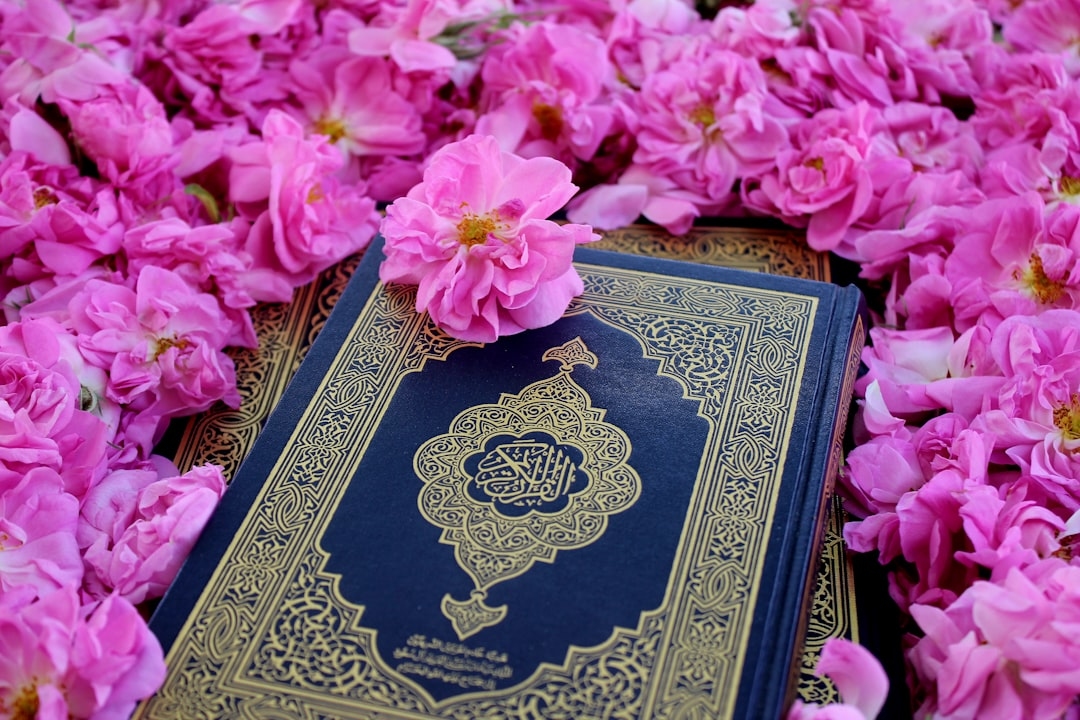
Dos: Best Practices
- Understated colors: Whites, creams, soft greens.
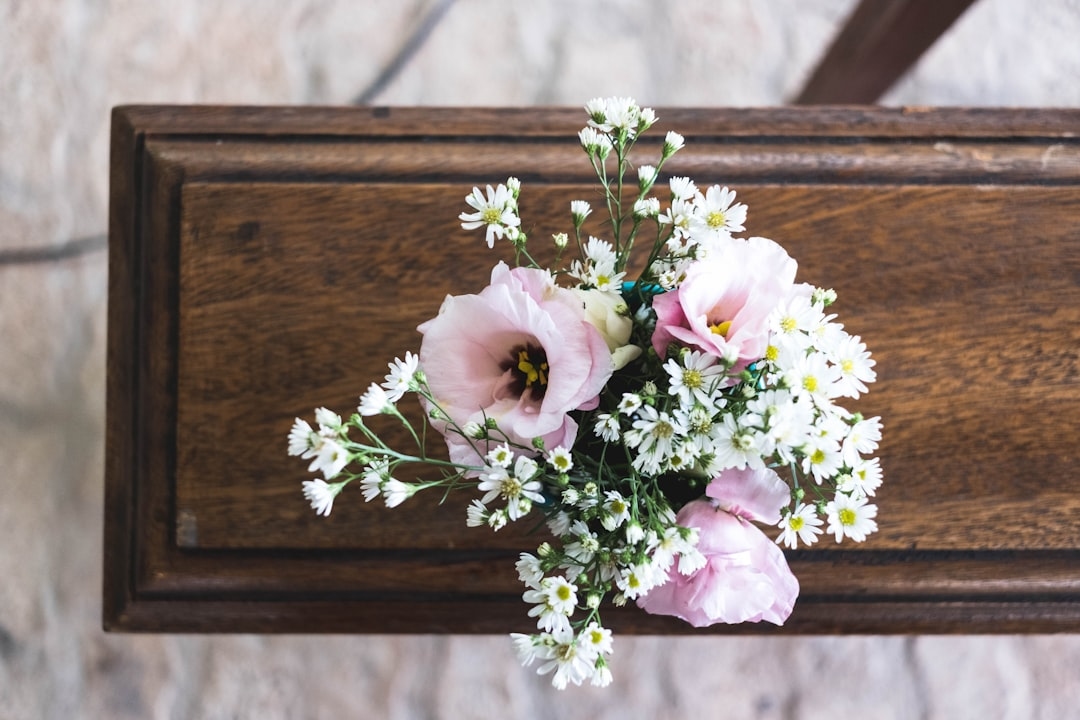
- Simple styles: Hand-tied bouquets, small arrangements.
- No religious symbols: Avoid crosses, angels, or scriptural quotes.
Don’ts: What to Avoid
- Bright colors or large arrangements
- Casket sprays or standing wreaths
- Personalized ribbons or religious imagery
According to Hana Malik, owner of BlossomBridge Florals in New Jersey:
“Of the 200+ Muslim funerals we’ve helped with since 2022, only seven involved flowers. In every case, the families wanted something subtle–never anything showy.”
US Flower Delivery Services and Muslim Funeral Requests
Most major US flower-delivery sites–like Teleflora, 1-800-Flowers, and FTD–let you add special instructions. If you must order online:
- Choose the simplest arrangement listed and request “no religious symbols or bright colors” in your order notes.
- Call local florists directly. Many in cities with large Muslim populations (like Chicago, Dallas, or New York) understand these customs and can provide guidance.
- Prepare for alternatives: Several delivery platforms now offer “sympathy gifts” like food baskets or donation certificates as alternatives to blooms.
Supporting Grieving Muslim Friends, Neighbors, or Colleagues
Demonstrating respect for someone’s mourning rituals speaks volumes. Here’s how you can help, even if you’re not Muslim:
- Attend the funeral or prayer (if invited): Dress conservatively. Men generally wear long sleeves and trousers; women may be asked to cover their arms and hair.
- Reach out soon after: The first 3 days (the traditional mourning period) are when families feel most supported.
- Follow up weeks later: Grief lingers. A simple check-in means a lot.
FAQ: Muslim Funeral Flower Etiquette
Can I send flowers to a Muslim funeral home in the US?
Generally, no. Most Muslim families prefer prayers, support, and donations over flowers. If unsure, check with the family or funeral organizers.
What wording should I use in a sympathy card to a Muslim family?
Write something like “May God grant your loved one peace” or “Our prayers are with your family.” Avoid religious imagery unless you know the family’s preferences.
Are there any cases where flowers are encouraged at a Muslim funeral?
Rarely. Some families with mixed backgrounds may request simple floral tributes. Only send flowers if specifically requested by the family.
What’s the best way to show support instead of sending flowers?
Offer prayers, visit the family, provide food, or make a charitable donation in the deceased’s name.
Is it offensive to send flowers to a Muslim funeral by mistake?
It’s usually seen as a well-meaning gesture, but always best to respect family wishes. A sincere apology and follow-up with an appropriate condolence is appreciated.
For Americans looking to honor their Muslim friends, neighbors, or colleagues, a little research and sensitivity go a long way. Next time you learn of a loss in the Muslim community, consider giving your time, your prayers, or your charity. It’s these small acts–not flowers–that leave a lasting mark of compassion and respect.