Contents:
- Quick Answer: What Cut Flowers Grow Best in Zone 5?
- Understanding USDA Hardiness Zone 5
- Zone 5 Climate Summary
- Best Annual Flowers for Zone 5 Cutting Gardens
- Early-Season Hardy Annuals
- Warm-Season Showstoppers
- Succession Planting for Continuous Blooms
- Perennials: The Backbone of Zone 5 Bouquets
- Top Zone 5 Perennial Cuts
- Foliage and Fillers: The Secret Sauce
- Reliable Zone 5 Fillers
- Planting & Care Calendar for Zone 5 Cut Flower Gardens
- Zone 5 Cut Flower Garden Calendar
- Proven Cut Flower Varieties for Zone 5 (With Sources & Tips)
- Arranging & Harvesting: Tips for Perfect Zone 5 Bouquets
- Vase Life Data
- Zone 5 Cut Flower Garden: Budgeting & Sourcing
- Common Zone 5 Cut Flower Garden Problems (and Fixes)
- FAQ: Cut Flower Garden in Hardiness Zone 5
- What are the best cut flowers for Zone 5 beginners?
- When should I start seeds indoors in Zone 5 for cut flowers?
- How long is the growing season for cut flowers in Zone 5?
- What perennials can I grow for cut flowers in Zone 5?
- Can I overwinter dahlias or other tender bulbs in Zone 5?
- Next Steps: Plan Your 2026 Flower Calendar Now
Cut Flower Garden by Hardiness Zone 5
A killing frost sneaks in every October, but your vases don’t have to stay empty all season. Gardeners in USDA Hardiness Zone 5–think Chicago, Minneapolis, parts of upstate New York–still enjoy a long, highly productive cut flower season. With the right plant choices and a bit of strategy, you can turn even a small backyard into a reliable source of bouquets from April until the first hard frost.
Quick Answer: What Cut Flowers Grow Best in Zone 5?
For a thriving cut flower garden in hardiness zone 5, choose cold-hardy annuals like snapdragons, larkspur, and bachelor’s buttons, plus perennials like peonies and Shasta daisies. Start hardy annuals indoors 6-8 weeks before your last spring frost (typically early May in Zone 5), then succession plant sunflowers and zinnias through July for steady blooms all summer. Aim for a mix of filler, focal, and spike-shaped blooms for bouquet variety.
Top picks for Zone 5 cut flower gardens:
- Annuals: Zinnias, cosmos, celosia, sunflowers, snapdragons, ammi, bachelor’s buttons, larkspur
- Perennials: Peonies, Shasta daisies, rudbeckia, echinacea, phlox, astilbe
- Foliage/fillers: Dusty miller, bupleurum, lemon basil, statice, salvia
Understanding USDA Hardiness Zone 5
Zone 5 covers much of the country’s northern tier and comes with a signature: minimum winter temperatures dip to -20°F in cold snaps. The typical frost-free growing season spans mid-May to early October–about 140-160 days.
“Zone 5 isn’t too cold for abundant blooms, but you do need a game plan for spring’s late arrival and fall’s early frost,” says Laurie Kimball, owner of Frostline Flower Farm in Wisconsin (Zone 5b). “Timing is everything.”
Zone 5 Climate Summary
| Factor | Typical Range (Zone 5) |
|---|---|
| Last Spring Frost | May 10-20 |
| First Fall Frost | Oct 1-10 |
| Growing Season | 140-160 days |
| USDA Zones Covered | 5a (-20°F min), 5b (-15°F min) |
| Precipitation | 24-36 inches/year |
Zone 5’s predictably unpredictable weather rewards growers who plan ahead–and plant a diverse mix to hedge against early cold snaps or unexpected heat waves.
Best Annual Flowers for Zone 5 Cutting Gardens
Annuals steal the show with heavy, season-long blooms. They’re sown, grown, cut, and composted every year, making them ideal for dazzling, ever-changing bouquets.
Early-Season Hardy Annuals
Some annuals handle cold like pros. Direct sow them in late April or transplant started seedlings right after the soil thaws:
- Snapdragons (‘Rocket Mix’, ‘Potomac Appleblossom’) survive light frost. Start indoors for bigger, earlier blooms.
- Larkspur can be fall-sown in Zone 5, but most gardeners start indoors for precision.
- Bachelor’s Buttons (‘Blue Boy’) thrive in cool soil and self-seed.
- Sweet peas (‘Mammoth Mix’, ‘Wiltshire Ripple’) for intoxicating scent–soak seeds first.
Warm-Season Showstoppers
After last spring frost, switch to summer loving favorites:
- Zinnias (‘Benary’s Giant’, ‘Queen Lime’): classic, prolific, vase-life champs. $3-$6 per seed packet; grow fast in full sun.
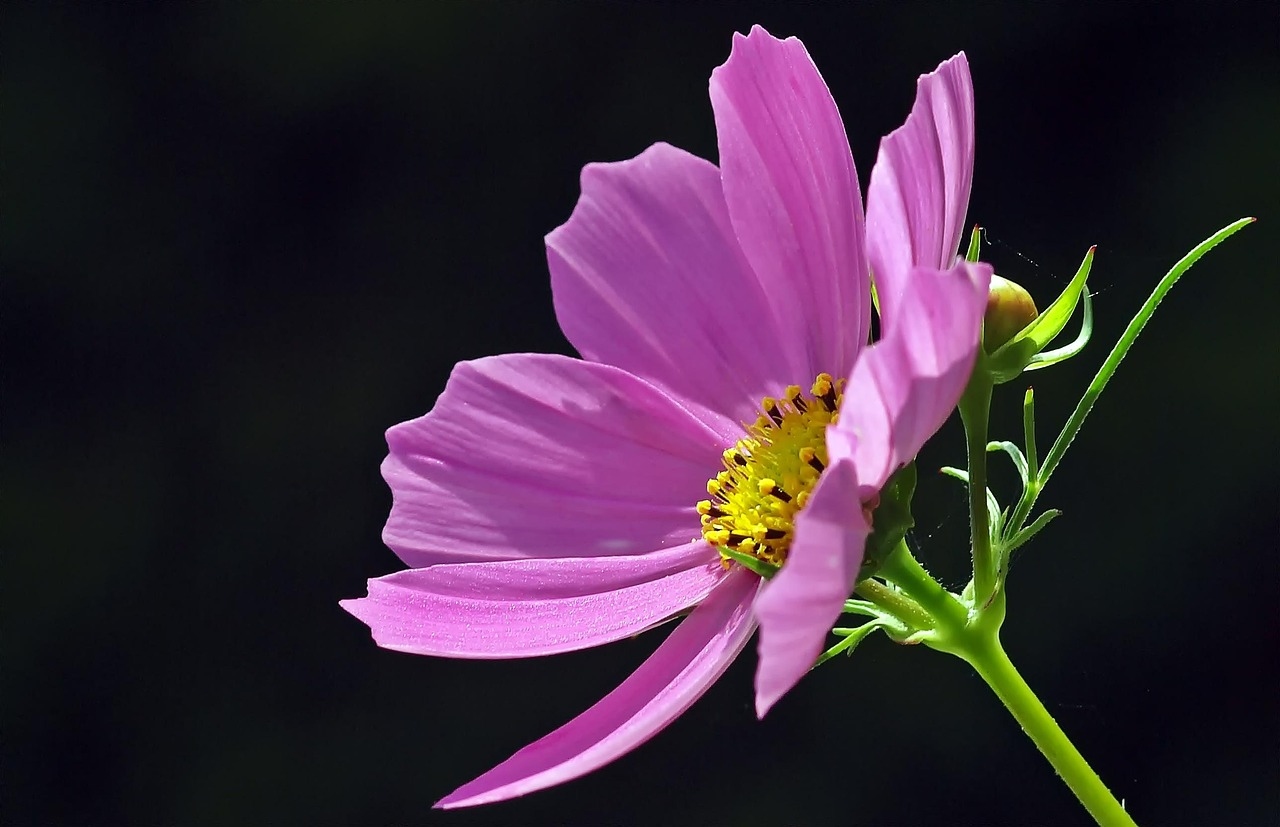
- Cosmos (‘Double Click’, ‘Rubenza’): airy, delicate, and endlessly productive for cutting.
- Celosia (‘Chief Mix’, ‘Flamingo Feather’): eye-popping reds, oranges, and pinks.
- Sunflowers (‘ProCut’, ‘Sunrich’, ‘Autumn Beauty’): single-stem or branching types.
- Ammi majus (‘Queen Anne’s Lace’): lacy, neutral filler.
Succession Planting for Continuous Blooms
Zone 5’s short season doesn’t mean a short flower supply. Succession sow zinnias, cosmos, and sunflowers every 2-3 weeks until July to keep the garden pumping out stems.
Perennials: The Backbone of Zone 5 Bouquets
Once established, perennial flowers return each spring and anchor your bouquet production.
Top Zone 5 Perennial Cuts
- Peonies (‘Sarah Bernhardt’, ‘Coral Charm’): deer resistant, long-lived, and a spring showstopper. Each plant can cost $20-35, but pay off for decades.
- Shasta daisies (‘Becky’): classic white with strong, straight stems.
- Rudbeckia (‘Goldsturm’): bright gold, late-summer color.
- Echinacea (‘Magnus’, ‘White Swan’): pink, purple, or white cones–excellent pollinator magnets.
- Phlox paniculata (‘David’, ‘Laura’): fragrant clouds of color.
- Astilbe (‘Fanal’, ‘Bridal Veil’): feathery pastel spikes for partial shade.
“Perennials bring structure and reliability,” notes Dr. Henry Tran, horticulture professor at Michigan State University. “Even in tough springs, peonies and rudbeckia perform.”
Foliage and Fillers: The Secret Sauce
A well-balanced bouquet relies on more than just showy blooms. Gardeners in Zone 5 swear by a handful of dependable filler and foliage plants to add interest, longevity, and texture to arrangements.
Reliable Zone 5 Fillers
- Dusty miller: soft silvery leaves, holds up in heat and cold alike.
- Statice: papery, colorful, and drought-tolerant.
- Bupleurum: chartreuse filler, quick-growing from seed.
- Lemon basil: aromatic stems lift any vase.
- Salvia (‘Victoria Blue’): spikes of blue, decent vase life.
These accent plants can be direct-sown after frost or transplanted from starts. Many double as pollinator attractants, inviting bees and butterflies to your patch.
Planting & Care Calendar for Zone 5 Cut Flower Gardens
Success in Zone 5 is all about timing. Here’s a month-by-month overview tailored to northern growers:
Zone 5 Cut Flower Garden Calendar
| Month | Tasks & Flowers |
|---|---|
| February | Order seeds (Johnny’s, Floret, Baker Creek) |
| March | Start hardy annuals indoors (snapdragon, larkspur, statice) |
| April | Harden off seedlings, prep beds, direct sow bachelor’s buttons, sweet peas |
| May (after last frost) | Transplant warm-season annuals (zinnia, cosmos, sunflowers), plant dahlias after soil warms |
| June – August | Mulch, succession sow zinnias/cosmos, deadhead for more blooms, fertilize monthly |
| September | Harvest, prep for frost, dig & store dahlias |
| October | Cut back perennials, save seeds, compost spent plants |

Proven Cut Flower Varieties for Zone 5 (With Sources & Tips)
A few winning varieties have earned their popularity–especially among small-scale US flower farmers.
- Zinnia ‘Benary’s Giant’: Robust, mildew-resistant, 3-4’ stems, available via Johnny’s Selected Seeds ($5.25/packet, 2026 pricing).
- Snapdragon ‘Potomac Mix’: Greenhouse-quality spikes, 18-36” tall, widely grown by US florists.
- Peony ‘Sarah Bernhardt’: Classic pink, often wholesale at $7-12/stem (fresh), but a mature garden plant can produce dozens.
- Sunflower ‘ProCut Orange’: Single stems, pollenless, 60 days to flower.
Most reliable flower seed brands in the US: Johnny’s, Floret, Baker Creek, Select Seeds. For plug trays, try Harris Seeds or local garden centers.
Arranging & Harvesting: Tips for Perfect Zone 5 Bouquets
Cut in the morning, before the sun stresses plants–flowers will last longer. Use clean, sharp snips, and remove foliage that would sit below the vase water line.
Vase Life Data
According to 2025 research by the Association of Specialty Cut Flower Growers (ASCFG):
- Zinnia: 7-10 days
- Snapdragons: 7-12 days
- Peony: Up to 2 weeks (refrigerated in bud stage)
- Sunflower: 6-9 days (pollenless types last longer)
- Statice: 14+ days
Tip: Place stems straight into cool water with floral preservative. Change water every 2-3 days.
Zone 5 Cut Flower Garden: Budgeting & Sourcing
A backyard cutting garden doesn’t require huge investment. Most Zone 5 growers spend $50-$150 on seeds and supplies for a 100-square-foot plot.
- Seeds: $3-$6 per packet; most packets cover 10-25 row feet.
- Transplants: $2-$4 per 4-inch pot.
- Tools: Fiskars snips run $18, while a basic stainless trowel is $10-$15.
- Soil Amendments: Compost ($25/cubic yard, bulk) or Espoma Flower-Tone ($8/4-lb bag).
US-based delivery for seeds is cheapest via direct order (Johnny’s and Baker Creek ship nationwide in 2-7 days). For instant bouquets, many Zone 5 florists now offer farm-direct subscriptions–try Field & Florist in Illinois or Green Gardens Community Farm in Michigan.
Common Zone 5 Cut Flower Garden Problems (and Fixes)
Growing flowers in a cold-winter area isn’t without hurdles. Here’s what to expect–and how to outsmart common issues:
- Late Spring Frosts
- Use row cover (Remay or Agribon; $16 for 25’ roll) to protect tender seedlings.
- Powdery Mildew on Zinnias
- Space plants 12-18” apart; water at soil level, not on leaves.
- Japanese Beetles on Roses and Dahlias
- Hand-pick beetles early morning; treat with neem oil if infestation is severe.
- Short Stems on Perennials
- Cut hard (down to 6-8”), fertilize, and water deeply to encourage longer regrowth.
FAQ: Cut Flower Garden in Hardiness Zone 5
What are the best cut flowers for Zone 5 beginners?
The easiest, most rewarding cut flowers for Zone 5 are zinnias, cosmos, snapdragons, sunflowers, and bachelor’s buttons. These varieties germinate fast and produce constantly, even in variable weather.
When should I start seeds indoors in Zone 5 for cut flowers?
Start hardy annuals indoors 6-8 weeks before your last expected frost (usually early to mid-May in Zone 5), so late February to early March is ideal. Warm-weather annuals like zinnias and sunflowers should be started 3-4 weeks before transplanting.
How long is the growing season for cut flowers in Zone 5?
Most of Zone 5 enjoys 140-160 days between last spring and first fall frost–mid-May through the first week of October. This window allows for at least two rounds of annual flower plantings.
What perennials can I grow for cut flowers in Zone 5?
Top perennials for cutting in Zone 5 include peonies, Shasta daisies, echinacea, rudbeckia, phlox, and astilbe. These survive harsh winters and rebloom each spring with minimal care.
Can I overwinter dahlias or other tender bulbs in Zone 5?
Not in the ground–Zone 5 winters are too cold. Dig up dahlia tubers after frost kills the foliage, air dry, and store them in peat moss or sawdust in a cool, frost-free spot (like a basement) until spring.
Next Steps: Plan Your 2026 Flower Calendar Now
Few gardening projects are as gratifying–or photogenic–as a cut flower garden in Zone 5. Start by picking three to five favorites from this guide, order seeds this winter, and mark your planting dates. Within a single season, you’ll have enough homegrown bouquets to share–and likely spark a neighborhood trend. This year, don’t just dream of armfuls of flowers: grow your own, zone 5 style.