Contents:
- What Flowers Are in Season? (Featured Snippet)
- Why Seasonal and Local Flowers Matter
- Navigating US Flower Seasons: Month-by-Month
- Spring: Petal-Packed and Short-Lived
- Summer: Abundance, Color, and Peak Local Variety
- Autumn: Texture and Warm Hues
- Winter: Greens, Branches, and Greenhouses
- Reading Flower Labels: Sourcing, Certifications, and Transparency
- What to Look For
- Global vs. Local: What’s Actually in That Vase?
- How to Shop Ethically for Flowers in 2026
- FAQ
- What flowers can I buy locally year-round in the US?
- Are imported flowers bad for the environment?
- How do I know if a flower is local or seasonal?
- Is buying flowers at the farmers market more expensive?
- Which flowers have the lowest environmental impact?
- Take Action: Plan Your Ethical Flower Purchases
Seasonal Flower Availability Chart for Ethical Buyers
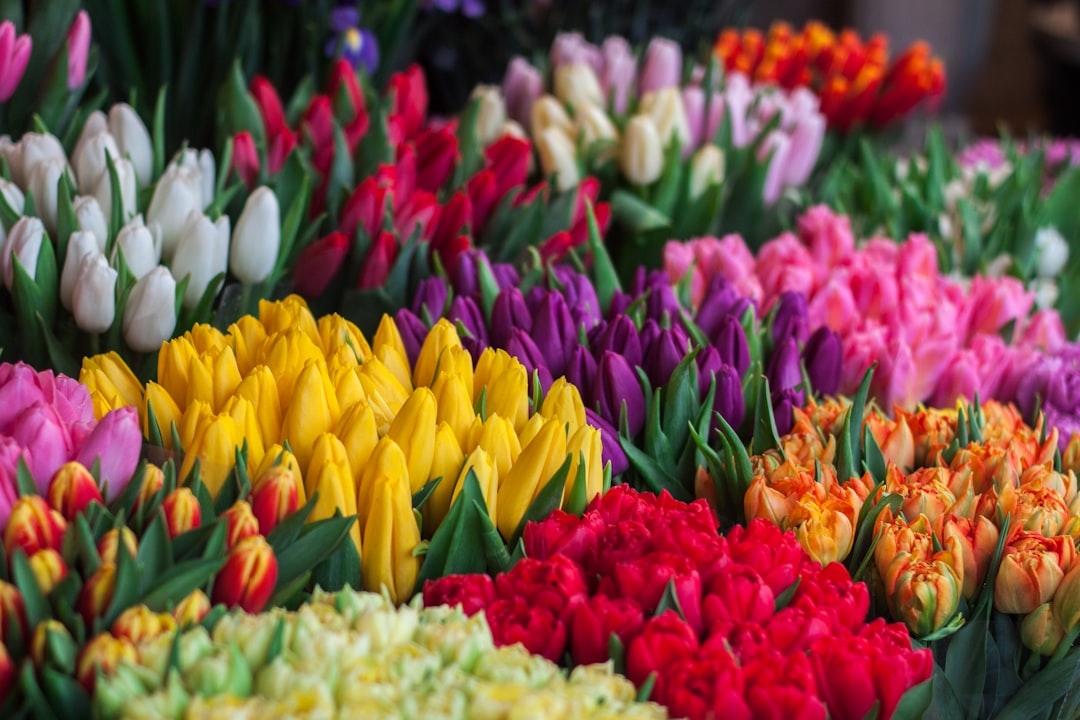
On a spring morning in Portland, Oregon, you can wander through farmers’ market stalls buzzing with color: peonies at their plushest, tulips standing tall. Come August, those peonies are nowhere in sight, but zinnias and sunflowers burst from local buckets. The truth? Most cut flowers have their moment–just a few weeks each year. But walk into any US supermarket, and roses and lilies answer the call, regardless of season. Here’s where ethical flower buying gets tricky.
Floristry isn’t just about color and scent. Behind each bouquet, there’s a story of seasonality, environmental impact, and labor. Buying in-season, local blooms is one of the strongest ways to support sustainable floristry.
What Flowers Are in Season? (Featured Snippet)
Here’s a quick reference flower availability chart for ethical buyers in the US, focusing on local, sustainably-grown flowers:
| Month | Best US-Grown Flowers |
|---|---|
| January | Anemone, hellebore, tulip (greenhouse), narcissus |
| February | Ranunculus, hellebore, tulip, daffodil |
| March | Daffodil, tulip, hyacinth, freesia |
| April | Peony, sweet pea, lilac, iris, tulip |
| May | Peony, lily of the valley, allium, foxglove |
| June | Garden rose, delphinium, hydrangea, larkspur |
| July | Sunflower, dahlia, zinnia, cosmos, snapdragon |
| August | Dahlia, zinnia, sunflower, marigold, scabiosa |
| September | Dahlia, aster, rudbeckia, sedum, celosia |
| October | Marigold, chrysanthemum, gomphrena, ornamental kale |
| November | Chrysanthemum, camellia, hellebore (early), eucalyptus |
| December | Amaryllis, paperwhite, holly, cedar, pine |
Not everything’s available everywhere–climate and local farm practices matter. But shopping by season is the cornerstone of ethical flower buying.
Why Seasonal and Local Flowers Matter
Imported flowers dominate the US market. According to the USDA (2026 update), around 82% of cut flowers sold here are imported, mainly from Colombia and Ecuador. While imports provide year-round variety, they come with a cost: high carbon footprints, heavy pesticide use, and sometimes questionable labor practices.
“Choosing local, seasonal flowers reduces emissions drastically–often by more than 70% compared to imports,” explains Maria Vasquez, horticulturist and owner of Seattle’s Green Roots Florals. “Plus, you get blooms that are fresher, last longer, and support small American growers.”
Brands leading by example:
- Farmgirl Flowers: Sourcing US-grown blooms for their “Just Right” arrangements, using eco-friendly packaging.
- The Bouqs Co.: Partnering with both US and certified sustainable farms (check their “Local” tag).
- Slow Flowers: An online directory connecting buyers to American flower farmers.
Navigating US Flower Seasons: Month-by-Month
Spring: Petal-Packed and Short-Lived
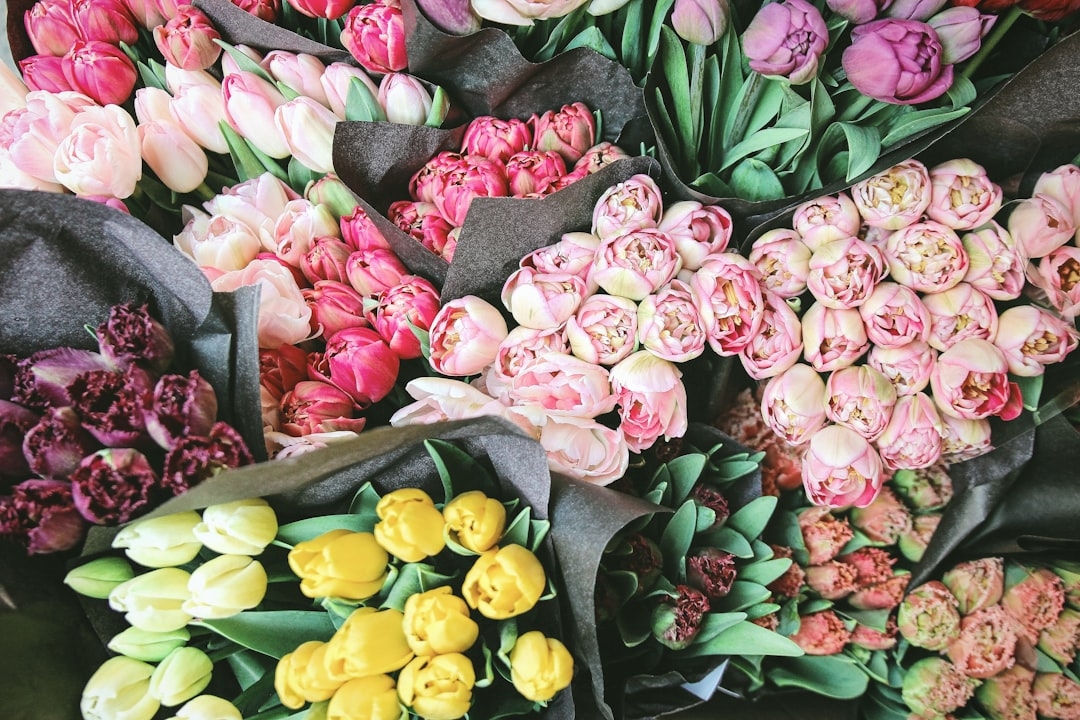
- March & April are a burst of bulbs and early perennials. Think daffodils, tulips, ranunculus, lilac.
- May brings ephemeral treasures–peonies (demand skyrockets for Mother’s Day), fragrant sweet peas, Foxglove.
- Many flower farms open for U-Pick events–look for local listings!
“People are always surprised how early peonies finish. In New York State, June comes and they’re gone. That’s part of their magic,” says Jules Henry, owner of Blossom & Vine Farms.
Summer: Abundance, Color, and Peak Local Variety
Zinnias, sunflowers, dahlias, cosmos: these summer staples thrive coast-to-coast. According to 2025 data from the Association of Specialty Cut Flower Growers, dahlias are among the top five most economical (and sustainable) local flowers for small shops.
- June: Garden roses (fragile, short vase life), larkspur, hydrangeas.
- July-August: The best time for vibrant field flowers.
- Tip: Ask your florist for “field-grown” or “garden style” bouquets for 100% local sourcing.
Autumn: Texture and Warm Hues
- September blooms: Dahlias hit their stride, joined by asters and rudbeckia.
- October: Chrysanthemums, celosia, ornamental kale add structure.
- Foliage and seed pods become stars–think eucalyptus, millet, bittersweet.
Winter: Greens, Branches, and Greenhouses
US-grown flowers are harder to find in winter. Greenhouse-grown anemones, hellebores, amaryllis, and narcissus fill the gaps. Look for locally-foraged greenery: pine, cedar, holly.
- December/January: Paperwhites and amaryllis are classic–both force well indoors.
- February: Ranunculus is available from California farms.
Reading Flower Labels: Sourcing, Certifications, and Transparency
What to Look For
Most grocery store bouquets won’t advertise “local” or “seasonal” outright. But labels (and questions) can guide you:
- Grown in USA / California Grown: Highest chance of seasonality and lower emissions.
- Certified American Grown, Rainforest Alliance, or Fair Trade: These standards emphasize ethical and sustainable practices, though not always local.
- No label? Ask your florist for US-grown or “in season” options; they’ll know what’s freshest.
Global vs. Local: What’s Actually in That Vase?
| Attribute | Local/Seasonal | Imported (Non-Seasonal) |
|---|---|---|
| Carbon footprint | Low (trucking only) | High (air freight + trucking) |
| Chemical use | Regulated, fewer pesticides | Often heavy, looser oversight |
| Freshness | Cut 24-72 hours before market | Up to 10 days from harvest |
| Labor practices | US standards | Varies, sometimes poor |
| Price | Higher per stem, but lasts | Lower, but more wastage |
| Availability | Peak a few weeks per year | Year-round for main species |
How to Shop Ethically for Flowers in 2026
- Time your flower buying: Plan weddings, parties, or gifts around local bloom peaks.
- Use the seasonality chart: Bookmark or print it for easy reference.
- Support local flower farms: Farmers markets, U-picks, and farm deliveries are rising. In 2026, over 1,250 US flower farms are listed on Slow Flowers.
- Ask your florist: “What’s local this week?” They may highlight surprising finds–like lisianthus or heirloom carnations you won’t see at big box stores.
- Rethink winter arrangements: Embrace evergreens, branches, berries, and dried flowers as alternatives.
Pull quote:
“Each arrangement is a snapshot of the local landscape. The more seasonal your bouquet, the more the story of your own region shines through.”
– Tanya Cross, lead designer, Prairie Petal Studio, Nebraska
FAQ
What flowers can I buy locally year-round in the US?
In most US regions, only a handful of flowers (like tulips and anemones) are available year-round, and usually only from greenhouses. Most locally-grown flowers are truly seasonal and available for just a few weeks to months each year. Winter options shift to evergreens, branches, and dried flowers.
Are imported flowers bad for the environment?
Imported flowers have a much higher carbon footprint–up to 5-7 times higher than US-grown flowers–due to air freight and longer cold storage. They may also involve more pesticides and weaker labor protections.
How do I know if a flower is local or seasonal?
Look for “Grown in USA,” “California Grown,” or a local farm name on bouquet labels. At farmers’ markets, ask the grower directly. At florists, request a “seasonal, US-grown” arrangement for the best chance at local flowers.
Is buying flowers at the farmers market more expensive?
Not always. Local flowers are often fresher and last longer, meaning less waste. Some in-season stems (like zinnias or sunflowers) can be more affordable per stem than imported roses, especially in summer.
Which flowers have the lowest environmental impact?
US-grown, seasonal flowers–picked close to the buyer–have the lowest footprint. Field-grown options like zinnias, sunflowers, and dahlias are among the most sustainable choices in summer.
Take Action: Plan Your Ethical Flower Purchases
Next time you need flowers, don’t just grab the prettiest bunch–think regionally and seasonally. Check your area’s bloom calendar, visit a local farm, or challenge your florist to craft an arrangement from what’s truly in season. It’s a small switch, but multiplied across millions of stems, it adds up to lasting change–for the planet, for communities, and for the stories our bouquets tell.
Ready to know what’s blooming near you this week? Search “seasonal flower availability” plus your state, or jump into directories like Slow Flowers to discover your local growers. Your next bouquet can be as ethical as it is beautiful.