Contents:
- QUICK ANSWER: Does a Penny in the Vase Keep Flowers Fresh?
- Where Did the Penny-in-the-Vase Advice Come From?
- The Science: What Actually Keeps Flowers Fresh?
- Bacteria: The Main Culprit
- What Works (And What Doesn’t)
- Copper’s Role: Why Pennies Might (Sort of) Work
- Pennies Before 1982
- Real-World Vase Chemistry
- Flower Food vs. DIY Hacks (And Why Penny Water Falls Short)
- What’s In Flower Food?
- Why Most DIY Alternatives Fail
- Real Tips from American Florists (2026)
- What About Pennies and Other Vase Materials?
- Pull-Quote
- Better Ways to Extend Flower Freshness (That Actually Work)
- Flower Longevity: What to Realistically Expect
- Penny or Not: What US Consumers Are Doing in 2026
- FAQ
- Do pennies keep flowers fresh?
- What is the best way to keep flowers fresh in a vase?
- Does it matter if my pennies are old or new?
- Can I use something else if I run out of flower food?
- Why do some flowers wilt faster than others, even with care?
- The Upgraded Flower-Care Routine: Try Something New
Does a Penny in the Vase Keep Flowers Fresh? The Truth Behind the Floral Hack
A bouquet wilting within days can feel like a waste of $60 – especially when you’ve just picked up roses from Trader Joe’s or splurged on a DoorDash flower delivery. But among the endless tips for prolonging cut flowers, one old-school trick makes the rounds every few months: dropping a shiny penny into your flower vase. Friends swear by it, TikTokers demo it, and even some florists shrug and say, “Why not?” But does a penny in the vase really keep flowers fresh, or is this just wishful thinking with pocket change?
QUICK ANSWER: Does a Penny in the Vase Keep Flowers Fresh?
No, putting a penny in your vase does not reliably keep flowers fresh longer. While the copper in older pennies (pre-1982) can have minor antibacterial effects, studies and florists agree: it’s much less effective than using flower food or regular water changes. For real results, use the commercial packet that comes with bouquets, or try a homemade mix.
Where Did the Penny-in-the-Vase Advice Come From?
Flower hacks have deep roots, and the “penny trick” is older than your grandma’s Fiestaware. The idea: copper acts as a natural fungicide and bactericide, supposedly slowing the slimy bacteria that block flower stems and cause wilting.
But here’s the catch – US pennies after 1982 are 97.5% zinc, with only a paper-thin copper coating. And even with solid copper, the amount released into water is minimal.
Florist Perspective:
“We get customers asking about the penny myth at least twice a month,” says Julian Torres, lead designer at Blossom & Vine, a Philadelphia florist. “Honestly, you’d do better just giving your flowers clean water and trimming the stems.”
The Science: What Actually Keeps Flowers Fresh?
Bacteria: The Main Culprit
When a flower is cut, the stem’s natural barrier is broken. Bacteria quickly invade, clogging the stem and blocking water from reaching petals and leaves. This causes drooping, browning, and petal drop.
What Works (And What Doesn’t)
The best ways to keep cut flowers fresh:
- Change the water every 1-2 days: This prevents bacterial buildup.
- Trim stems at an angle: Cuts open a new channel for water uptake.
- Use commercial flower food: Most packets include sugar for nutrition, a biocide to kill bacteria, and acidifiers to keep stems open.
- Keep flowers cool and away from direct sun: Heat speeds decay.
- Remove leaves below the waterline: Leaves rot fast and feed bacteria.
A 2024 study by the American Society for Horticultural Science found that bouquets kept in clean water with commercial flower food lasted up to 60% longer than those with penny water or sugar alone.
Here’s a quick comparison of popular vase hacks:
| Method | Effectiveness | Average Vase Life (days) | Comments |
|---|---|---|---|
| Penny in water | ❌ Low | 4-6 | Some effect with old pennies |
| Aspirin | ❌ Minimal | 5-7 | Acidifies water, small gain |
| Bleach (few drops) | ✅ Good | 8-10 | Deters bacteria, use sparingly |
| Flower food packet | ✅ Best | 10-14 | Specially formulated |
| Plain water, changed | ✅ Good | 7-10 | Still beats most hacks |
| Sprite/Sugar (no biocide) | ❌ Not great | 5-7 | Sugar feeds bacteria |
Copper’s Role: Why Pennies Might (Sort of) Work
There’s a kernel of truth in the copper theory – but it’s mostly theoretical.
Pennies Before 1982
Older US pennies (minted before 1982) are 95% copper. Copper ions can disrupt bacterial and fungal growth, which is why copper containers have been used in the past for water storage.
Real-World Vase Chemistry
Flower vases don’t create the conditions for much copper to leach out. Plus, at room temperature, water chemistry and plant sap can actually coat copper, further reducing ion release.
Lauren Kessler, a Ph.D. plant pathologist at UC Davis, summarizes:
“In lab tests, you need a much higher concentration of copper ions than a single penny can provide, and that’s with constant agitation. In a typical vase, the effect is negligible.”
Flower Food vs. DIY Hacks (And Why Penny Water Falls Short)
What’s In Flower Food?
The little packet taped to your store-bought bouquet is not just sugar. Typical ingredients:
- Acidifier (citric acid): Lowers pH, keeps stems open for water.
- Sugar: Provides nutrition for the bloom.
- Antibacterial/Biocide: Stops bacteria.
- Sometimes, aluminum sulfate: slows aging.
Floral food works because it’s balanced for the needs of cut flowers – not just one aspect (like killing bacteria) but also nutrition and water uptake.
Why Most DIY Alternatives Fail
Penny, aspirin, Sprite, vodka… the list goes on. Most tackle only one piece of the puzzle. Here’s how “penny water” stacks up:
- Penny in vase: Might inhibit some bacteria, but doesn’t feed the flower or lower pH.
- Aspirin: Mild acid, but can cause leaf burn.
- Bleach: Good against bacteria, but can be toxic in high concentration.
- Homemade floral food: Lemon juice + sugar + tiny bleach drop can come close, but needs precise measurement.
Real Tips from American Florists (2026)
Curious how US florists actually keep arrangements looking fresh for 2 weeks or more? Here’s the playbook from New York’s Brooklyn Stems, LA’s The Unlikely Florist, and various pro designers:
- Water change, always: The #1 tip. Florist Jamie Nguyen recommends “new water every other day, no matter what else you do.”
- Stems trimmed every 3 days: Use sharp, sterilized shears.
- Cut at an angle under water: This keeps air from blocking the stem.
- Store bouquets in the fridge overnight: This “flower spa” can double vase life, especially for hydrangeas, roses, and tulips.
- Remove wilting blooms fast: One bad flower spreads decay.
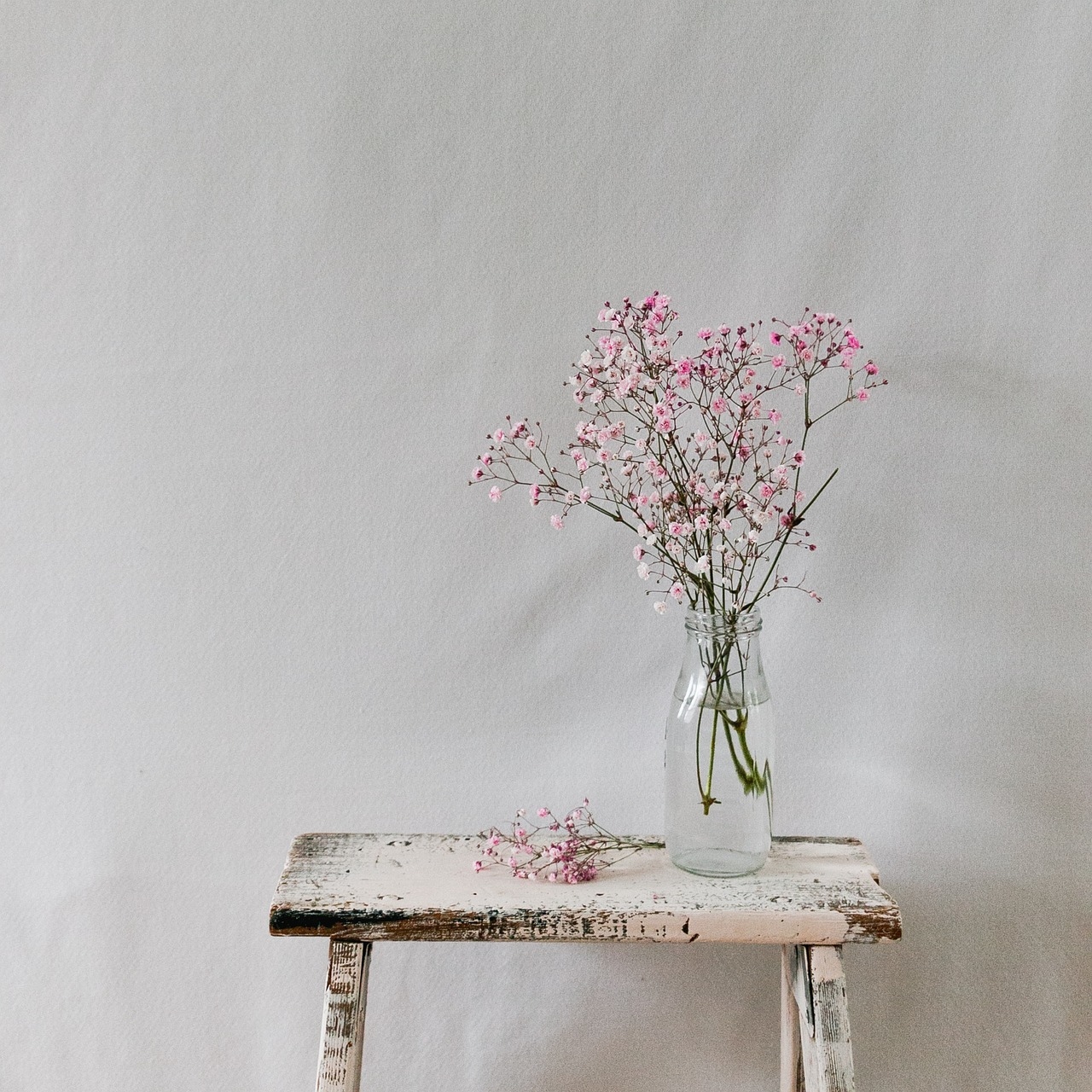
For specialty flowers (like lilies or peonies), check the grower’s care card or visit the Society of American Florists website for tailored tips.
What About Pennies and Other Vase Materials?
You might wonder: if copper is so great, should you use a copper vase?
Copper containers can leach ions, but too much copper is actually toxic to both cut flowers and humans. That’s why even commercial florists rarely use metal vases for fresh arrangements. Modern US vases are typically glass or ceramic.
For penny fans: if you want to experiment, use a pre-1982 penny for any potential benefit. Post-1982 pennies are almost all zinc, so the “copper trick” doesn’t apply.
Pull-Quote
“If a penny in the vase could really solve all our flower problems, every florist in America would be doing it!”
– Jamie Nguyen, Lead Designer, Brooklyn Stems
Better Ways to Extend Flower Freshness (That Actually Work)
Here’s a pro-approved 5-step routine for keeping store-bought flowers fresh in 2026:
- Unwrap bouquets immediately: Let the stems “breathe” and prevent crushing.
- Snip 1” off each stem at an angle, underwater if possible.
- Strip leaves that would be below water.
- Fill vase with lukewarm water + full packet of flower food (or a homemade mix: 1 quart water, 2 tsp lemon juice, 1 tbsp sugar, 1/4 tsp bleach).
- Refresh water and trim stems every 2 days – mark it on your phone calendar!
Some flowers, like sunflowers and dahlias, are “thirsty” and wilt fast. Others, like carnations, can last up to three weeks with attentive care.
Flower Longevity: What to Realistically Expect
Even with perfect care, not all bouquets will last equally. Here’s a rough guide to common fresh-cut flower longevity (with proper care):
| Flower Type | Typical Vase Life |
|---|---|
| Carnations | 14-21 days |
| Alstroemeria | 10-14 days |
| Roses | 7-12 days |
| Tulips | 5-7 days |
| Lilies | 7-14 days |
| Daisies | 8-12 days |
| Peonies | 5-7 days |
| Sunflowers | 6-9 days |
Penny or Not: What US Consumers Are Doing in 2026
Online searches for “penny in vase flower hack” have surged on TikTok and Pinterest since late 2024. But US flower delivery services like UrbanStems and 1-800-Flowers don’t recommend the penny method in their official guides. In fact, most now include extra flower food packets with orders due to customer demand.
Florist surveys show that less than 3% of American shops recommend pennies, compared to 98% who push regular water changes. The truth: florists want you to get the most out of your blooms, because happy customers come back!
FAQ
Do pennies keep flowers fresh?
A penny in the vase does not significantly extend the life of cut flowers. The small amount of copper released is not enough to control bacteria or feed the blooms compared to flower food or regular water changes.
What is the best way to keep flowers fresh in a vase?
The best method is to change the water every 1-2 days, use a commercial flower food packet, trim stems at an angle, and keep the arrangement out of direct sunlight and heat. Removing leaves below the water also helps prevent bacterial growth.
Does it matter if my pennies are old or new?
Yes – pennies minted before 1982 are mostly copper, while newer pennies are primarily zinc. However, even old pennies don’t release enough copper into water to make a meaningful difference in flower freshness.
Can I use something else if I run out of flower food?
Yes. A homemade flower food is an effective alternative. Mix 1 quart water with 1 tablespoon sugar, 2 teaspoons lemon juice or vinegar, and 1/4 teaspoon household bleach. This balances nutrition, pH, and bacteria control.
Why do some flowers wilt faster than others, even with care?
Flower longevity varies by species. Some blooms, like tulips, have naturally short vase lives, while carnations and alstroemeria last much longer. Environmental factors – like temperature, bacteria, and stem health – also impact how quickly flowers fade.
The Upgraded Flower-Care Routine: Try Something New
Instead of dropping a penny and hoping for floral miracles, test out a “pro florist” routine with your next bouquet. Use that little flower food packet, change the water often, and keep your blooms cool at night. Skip the hacks and you’ll see more vibrant petals, fewer wilted stems, and maybe an extra week of floral beauty on your kitchen counter. Flowers may not last forever – but with the right care, you can give them a fighting chance, no luck or loose change required.