Contents:
- What Do Flowers Symbolize in Chinese Culture? (Direct Answer)
- The Top Flowers and Their Meanings
- Peony: The “King of Flowers”
- Chrysanthemum: Long Life and Vitality
- Lotus: Purity and Enlightenment
- Plum Blossom: Endurance Through Hardship
- Orchids: Elegance and Friendship
- Flowers to Avoid: Navigating Taboos
- Number and Color Taboos
- Sensitive Occasions
- How Flower Meanings Influence Chinese Celebrations
- Lunar New Year
- Weddings and Anniversaries
- Business Openings
- Mixing East and West: How US Florists Blend Meanings
- Quick Guide: Matching Flowers to the Occasion
- Frequently Asked Questions
- What does the peony symbolize in Chinese culture?
- Why are white flowers avoided in Chinese celebrations?
- Can lilies be used as a wedding flower in Chinese culture?
- What flowers are best for wishing someone good luck?
- Do flower numbers matter in Chinese gifting?
- Bring Meaningful Floristry to Your World
Flower Meanings in Chinese Culture
Picture stepping into a bustling Beijing flower market at Lunar New Year. Rows of golden chrysanthemums, delicate peonies, and brilliant orchids line every stall. It’s not just about pretty blooms–each flower carries layers of meaning, luck, and tradition that shape relationships, celebrations, and even business deals across China. In 2026, as cultural exchange blooms and global floristry trends blend classic with modern, understanding the nuanced language of flowers in Chinese culture opens doors to authentic gifting, thoughtful décor, and respectful gestures.
What Do Flowers Symbolize in Chinese Culture? (Direct Answer)
In Chinese culture, flowers are more than decorative–they represent luck, prosperity, health, love, and even caution or mourning. Each species, and sometimes each color, has specific symbolism. Peonies evoke wealth and honor. Plum blossoms suggest perseverance. Lilies mean harmonious unions and a wish for a happy marriage. Chrysanthemums stand for longevity, while lotuses embody purity and spiritual growth. Flowers can mark joyful occasions, convey sympathy, or serve as auspicious gifts–choosing the right one matters.
The Top Flowers and Their Meanings
Peony: The “King of Flowers”
The peony, or mǔdān (牡丹), reigns supreme in Chinese floristry. Since the Tang Dynasty, it’s symbolized wealth, nobility, and feminine beauty.
- Peony in Marriage: Giving peonies during engagement or wedding season is a gesture of wishing the couple prosperity and romance.
- Popular Varieties: The “Luoyang Peony” festival attracts over 1 million visitors annually, per the China Flower Association’s 2024 report.
- Pricing in the US: Premium peony bouquets can reach $90-150 USD for Mother’s Day through services like 1-800-Flowers and UrbanStems.
Chrysanthemum: Long Life and Vitality
Chrysanthemums, or júhuā (菊花), are favored for longevity, resilience, and graceful aging. Their strong presence in Chinese art–think Song Dynasty ink paintings–cements their iconic status.
- Gift Etiquette: Suitable for elders’ birthdays or retirement celebrations, but rarely used for weddings.
- Cultural Note: In southern China, white chrysanthemums are used in funerals, which sometimes brings hesitation in gifting them outside that context.
Lotus: Purity and Enlightenment
The lotus, liánhuā (莲花), rises from the mud unsullied. It’s revered in both Buddhist and secular symbolism.
- Spiritual Gifting: Commonly gifted to teachers or mentors as a compliment to their moral integrity.
- Home Decor: Lotus motifs appear in everything from porcelain vases to modern wallpaper.
Plum Blossom: Endurance Through Hardship
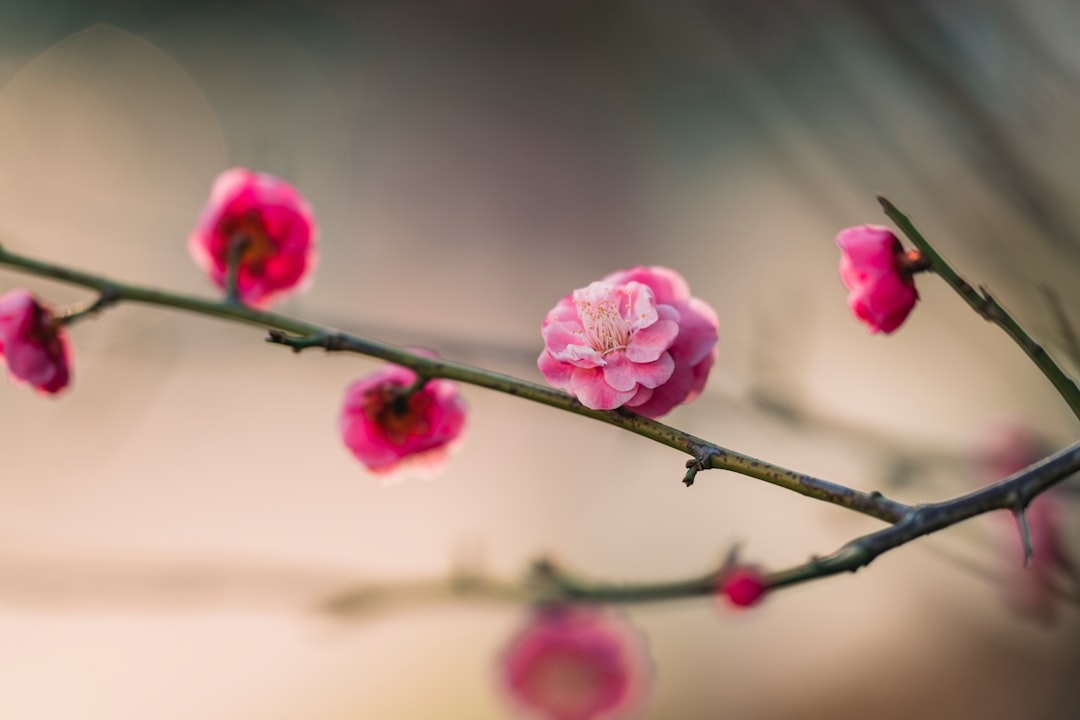
China’s national flower since 1964, the plum blossom (méihuā, 梅花) bursts through winter snow, embodying resilience and new beginnings.
“Plum blossoms are the flower of hope–their arrival means winter’s end is certain,” says Ping Li, NY School of Floristry alum and owner of Lotus NYC Floral.
- Color Symbolism: Pink and white blossoms represent rebirth and innocence.
- Festivals: The annual Nanjing Plum Blossom Festival draws over 500,000 visitors each year.
Orchids: Elegance and Friendship
Orchids (lánhuā, 兰花) symbolize refinement, humility, and deep friendship.
- Corporate Gifting: Orchids are a favorite for business partners or colleagues–delicate, attractive, and appropriate for nearly any occasion.
- American Buying Tip: Potted Phalaenopsis orchids are widely available for $35-70 USD from FTD or ProFlowers, offering a durable, meaning-rich alternative to cut bouquets.
Flowers to Avoid: Navigating Taboos
Number and Color Taboos
China’s floral etiquette can trip up even seasoned gift-givers.
| Flower Type | Use for Joyful Occasions? | Associated Caution |
|---|---|---|
| White Chrysanthemum | No | Funerals/Mourning |
| Yellow Lily | Yes | Positive–used in weddings |
| Camellia | Yes, with care | Dropping petals can mean separation |
| Clock-shaped Bouquets | Never | Clocks = “sending death” in wordplay |
- Numbers Matter: Never give flowers in multiples of four–a number that sounds like “death” (sì, 四). Eight (bā, 八) and nine (jiǔ, 九) are lucky for prosperity and longevity.
Sensitive Occasions
- Hospital Visits: Avoid sharp-scented or white flowers. Mild-colored peonies or pink lilies are best, conveying wishes for recovery without unintended mourning symbolism.
- Condolence: Stick to white lilies or chrysanthemums–but only when invited, and never for weddings.
How Flower Meanings Influence Chinese Celebrations
Lunar New Year
Flower markets bloom in late January. Families buy narcissus (daffodils) for luck and fortune, or branches of cherry blossoms for love.
- Florist Forecast: US-based Asian grocers (like 99 Ranch Market) now import over $2.5 million in peony and daffodil stems for Lunar New Year, per Horticulture Today’s 2026 market brief.
Weddings and Anniversaries
- Red Roses: Still universal for romance, but paired with peonies or lilies for extra symbolism.
- Lily (百合, bǎihé): Sounds like “100 years in harmony”–so classic for wedding bouquets and table décor.
Business Openings
- Bouquets with Gladiolus or Orchids: Sent to new shops or offices, signaling high ambitions and sincere goodwill.
Mixing East and West: How US Florists Blend Meanings
In 2026, fusion floristry is thriving. Stateside florists often combine tulips, peonies, and orchids for multicultural events, referencing both Western and Chinese traditions.
- Trend Insight: According to Lisa Chen, creative director at Blossom & Vine LA, “More 2026 clients want arrangements that honor Chinese heritage–requesting peonies for wealth or lotus for purity alongside Western favorites.”
- Custom Bouquets: A mixed bouquet for a Chinese-American wedding might run $120-200 USD, reflecting the added care in flower selection and sourcing.
Quick Guide: Matching Flowers to the Occasion
Here’s a handy summary:
- Weddings: Red roses, peonies, lilies
- Birthdays (Elders): Chrysanthemum, peach blossoms
- Friendship: Orchids, bamboo, sunflowers
- Luck/Prosperity: Narcissus, kumquat plant, lucky bamboo
- Condolence: White lilies, white chrysanthemums (only when appropriate)
Frequently Asked Questions
What does the peony symbolize in Chinese culture?
The peony is known as the “king of flowers” and represents wealth, honor, and romance. It’s often associated with feminine beauty and prosperity, making it a classic gift for weddings and business occasions in Chinese tradition.
Why are white flowers avoided in Chinese celebrations?
White flowers, especially white chrysanthemums and lilies, are linked to mourning and funerals. In China, white is the traditional color of grief. For joyful events like weddings or birthdays, colored blooms–especially red and gold–are preferred.
Can lilies be used as a wedding flower in Chinese culture?
Yes, lilies are very desirable for weddings in Chinese culture. The word for lily (百合, bǎihé) sounds like “100 years of harmony,” symbolizing a wish for a long, happy marriage. They’re commonly included in wedding bouquets and arrangements.
What flowers are best for wishing someone good luck?
Narcissus, peonies, plum blossoms, and lucky bamboo are all popular choices for conveying good luck. Each represents prosperity, new beginnings, or resilience–perfect for New Year celebrations and new ventures.
Do flower numbers matter in Chinese gifting?
Absolutely. Numbers have deep meaning in Chinese culture. Bouquets should never be given in fours (as “four” sounds like “death”). Numbers like eight and nine are considered lucky, representing prosperity and longevity.
Bring Meaningful Floristry to Your World
Armed with these nuances of Chinese flower symbolism, it’s easier than ever to send a message that goes beyond beauty. Next time you’re curating a bouquet–whether for a friend, family member, or business partner–pause to consider not only color and composition but the story your flowers tell. Your thoughtfulness can bridge cultures and spark joy, whether you’re ordering from a local florist in San Francisco or arranging an at-home centerpiece for Spring Festival. Looking for inspiration? Try blending peonies and orchids with native US blooms for a modern arrangement that packs heartfelt meaning alongside timeless appeal.