Contents:
- What Is Delphinium? (Featured Snippet Answer)
- Delphinium at a Glance
- The History and Symbolism of Delphinium
- Ancient Roots and Etymology
- Victorian Language of Flowers
- American Garden Legacy
- Types of Delphinium: Picking Your Favorite
- Growing Delphinium in the US: From Garden to Vase
- Climate and Soil Needs
- Planting and Care Checklist
- Pests and Common Problems
- Cost and Availability
- Delphinium in Floristry: Arranging and Styling
- Vase Life and Conditioning
- Design Uses
- Drying and Preserving
- Delphinium vs. Larkspur: Clearing Up the Confusion
- Buying Delphinium: Tips for US Consumers
- Locally Grown or Imported?
- Where to Buy
- Budget Tips
- FAQ About Delphinium
- What is the best climate for growing delphinium in the US?
- Are delphiniums safe for pets and children?
- How long do fresh delphinium flowers last in arrangements?
- Can I grow delphinium from seed in the US?
- Are delphiniums deer-resistant?
- What Next? Bring Delphiniums Into Your World
Everything You Need to Know About Delphinium
Try picturing a summer garden bursting in shades from powder blue to vivid indigo – chances are, you’re imagining delphiniums stealing the show. These towering, spiked blooms have inspired poets, wowed florists, and even started friendly rivalries at state fairs. But delphinium isn’t just a pretty accent. From cottage gardens in Vermont to upscale Manhattan bouquets, this classic flower carries its own surprising quirks, care demands, and symbolism.
What Is Delphinium? (Featured Snippet Answer)
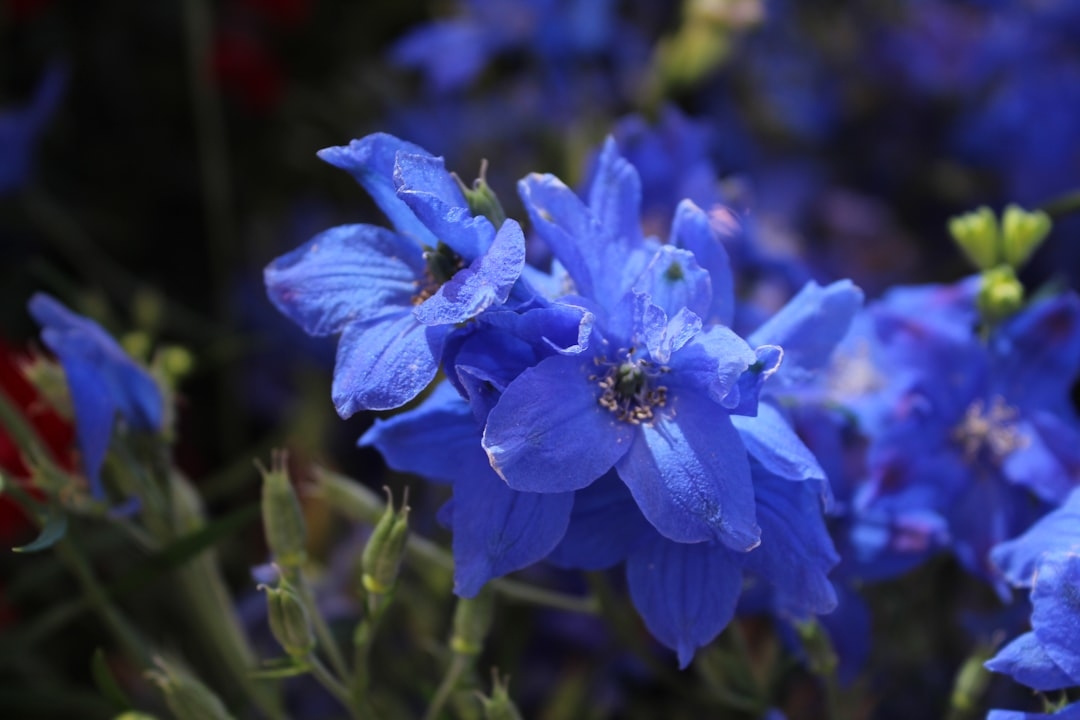
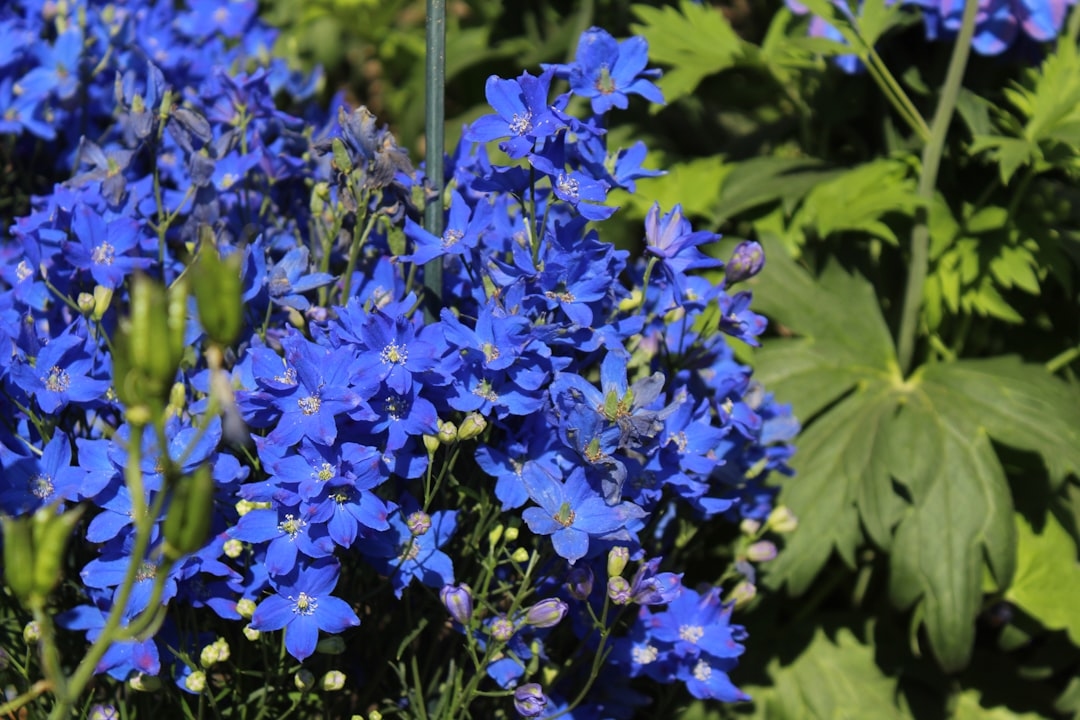
Delphinium is a genus of flowering plants known for their tall, spiky racemes of vibrant blue, purple, pink, or white flowers. Native mainly to the Northern Hemisphere, delphiniums are popular in US gardens and floral arrangements thanks to their dramatic height (up to 6 feet), distinct color range, and classic cottage garden appeal. While beautiful, all parts of the plant are toxic if ingested by humans or pets.
Delphinium at a Glance
Need the essentials? Here’s a quick reference:
| Feature | Details |
|---|---|
| Common names | Delphinium, larkspur |
| Height | 2 to 6 feet (variety dependent) |
| Bloom time | Late spring to early summer (re-blooming possible in late summer/fall) |
| Flower colors | Blue, purple, pink, white, occasionally yellow |
| Light requirements | Full sun, some afternoon shade in Southern states |
| USDA zones | 3-7 (perennial); grown as annuals in warmer climates |
| Toxicity | Highly toxic to humans and pets |
| Vase life | 5-8 days (when properly conditioned) |
“Few flowers rival delphinium for sheer vertical drama. In arrangements, they draw the eye upward and lend a wild, romantic energy you just can’t fake.”
– Olivia McGann, Master Florist, Seattle (2026)
The History and Symbolism of Delphinium
Delphiniums aren’t just a favorite for their show-stopping looks – they’re layered with tradition and meaning.
Ancient Roots and Etymology
The name “delphinium” comes from the Greek word for dolphin, because the flower buds resemble a dolphin’s nose. Old English gardeners also called them “larkspurs,” due to the shape of their nectary spurs. While delphiniums and true larkspurs (Consolida) are technically separate genera, modern US florists often use “larkspur” and “delphinium” interchangeably.
Victorian Language of Flowers
In the floriography craze of the 19th century, delphinium symbolized lightness, laughter, and protective grace. Today, they’re often gifted to express encouragement, joy, and remembrance – especially in June, as delphinium is the official birth flower for that month.
- Symbolism: Positivity, protection, renewal
- Occasions: Weddings, graduations, sympathy bouquets (especially in blue)
American Garden Legacy
Delphiniums reached peak popularity in the US during the early 1900s, when breeders at the New York Botanic Garden and the Pacific Giant strain in California began creating even taller, more dramatic cultivars. Today, California leads US delphinium production, especially the Central Valley, supplying both garden centers and top florists year-round.
Did you know? In 2024, blue delphiniums accounted for 38% of all blue-flower sales at urban US florists (FloristTrends survey). They’re second only to hydrangeas for that coveted “something blue.”
Types of Delphinium: Picking Your Favorite
When choosing delphiniums for your garden or bouquets, American growers and floral designers turn to three primary types:
-
Pacific Giants
- Classic, towering spikes (up to 6 feet)
- Full, densely packed florets
- Popular cultivars: ‘King Arthur’ (deep purple), ‘Blue Bird’ (sky blue)
-
Belladonna Group
- Lighter, airier branching stems
- Usually shorter (3-4 feet)
- Extended blooming season
- Noted for soft sky blue or white hues
-
Millennium Hybrids
- Modern breeding for disease resistance and longevity
- Compact forms ideal for smaller gardens
| Type | Height | Best for | Notable Cultivars |
|---|---|---|---|
| Pacific Giants | 5-6 ft | Large gardens, back borders, tall arrangements | ‘Astolat’ (rose pink), ‘Galahad’ (white) |
| Belladonna Group | 3-4 ft | Cut flowers, mixed beds | ‘Casa Blanca’ (white), ‘Cliveden Beauty’ (blue) |
| Millennium Hybrids | 2-4 ft | Containers, low-maintenance gardens | ‘Cobalt Dreams’, ‘Pink Punch’ |
Growing Delphinium in the US: From Garden to Vase
Delphiniums offer that storybook effect – but they’re not “beginner” easy. Still, with the right prep, even new gardeners can coax beautiful spikes from seed or nursery packs.
Climate and Soil Needs
- USDA Zones: Best as perennials in Zones 3-7; grown as annuals in much of Texas, Florida, and Southern California
- Soil: Rich, well-drained loam, neutral to slightly alkaline (pH 6.5-7.5)
- Sun: Full sun in Northern and Midwest states; partial afternoon shade in hotter, more humid regions
- Spacing: 12-18 inches apart for airflow
“In the Midwest, we prep soil with compost and lime for delphiniums – they get root rot quick in soggy beds. Staking is a must once plants hit 18 inches. The wind off Lake Michigan can topple even thick stalks.”
– Dr. Helen Ruiz, Horticulture Extension, University of Illinois
Planting and Care Checklist
- Amend soil with compost and a handful of bone meal.
- Plant plugs or seeds after last frost (usually April-May; zones 5-6).
- Mulch to keep roots cool.
- Stake early (bamboo or grow-through rings).
- Water at soil level – avoid overhead watering to prevent mildew.
- Deadhead spent blooms for a possible second flush in fall.
- Divide clumps every 3-4 years to refresh vigor.
Pro Tip: Slugs and snails love delphinium seedlings. Sprinkle crushed eggshells or use iron phosphate slug bait for defense.
Pests and Common Problems
- Powdery mildew: Space plants well, water at soil line, prune lower leaves.
- Aphids: Spray with insecticidal soap; ladybugs work wonders.
- Crown rot and botrytis: Improve drainage, avoid crowding.
- Toxicity: All plant parts are toxic if ingested. Keep out of reach of pets and children.
Cost and Availability
- Seeds: $4-$7 per packet from US retailers (Burpee, Johnny’s Selected Seeds)
- Nursery-grown plants: $8-$20 each, depending on variety and size
- Bouquets/arrangements: $45-$120 at local florists or delivery services like UrbanStems, 1-800-Flowers
Delphinium in Floristry: Arranging and Styling
Those signature verticals make delphiniums a top pick for statement pieces. American florists rely on them for everything from wedding arches to sympathy sprays.
Vase Life and Conditioning
Freshly cut delphiniums can last 5 to 8 days if properly hydrated. Here’s how the pros do it:
- Recut stems at a sharp angle under water.
- Strip lower foliage to prevent rot.
- Use clean, tall vases filled with cool water.
- Change water every 2 days and re-trim stems.
- Add commercial flower food; avoid direct sunlight or heat.
Florist’s hack: Delphinium stems release a sticky sap that clouds water. Add a drop of bleach or use clear flower conditioner to keep your arrangement fresh.
Design Uses
- Formal arrangements: Paired with roses, lilies, hydrangeas
- Wildflower bouquets: Mixed with queen anne’s lace, foxglove, or yarrow
- Monochrome blue schemes: With thistle and sea holly for texture
- Event decor: Punctuating altarpieces, aisle markers, or statement centerpieces
“Delphiniums bridge the gap between wild and refined. My clients in Boston love them with peonies for summer weddings, while minimalist designers go monochrome – sky blue on white linen for early June events.”
– Samira Patel, Owner, Violet & Ivy Floral, Boston
Drying and Preserving
Delphiniums can be air-dried for keepsakes, but petals shrink and fade. Silica gel drying preserves color better; expect 2-3 weeks for a fully dried stem.
Delphinium vs. Larkspur: Clearing Up the Confusion
Shoppers and new gardeners often ask: are larkspur and delphinium the same thing?
| Feature | Delphinium | Annual Larkspur (Consolida) |
|---|---|---|
| Lifespan | Perennial (Zones 3-7) | Annual |
| Flower spike | Dense, dramatic, often multi-branch | Airier, more delicate spikes |
| Common color range | Blue, purple, pink, white | Blue, pink, white, lavender |
| Typical height | 2-6 feet | 1-4 feet |
| Bloom season | Early to midsummer; possible rebloom | Early summer |
| Use in floristry | Tall vase, statement piece | Wildflower, filler in bouquets |
In the US, florists may list both as “larkspur” – ask for “perennial delphinium” if you want the tall, lush spikes.
Buying Delphinium: Tips for US Consumers
Whether for your own garden or a gift bouquet, finding the best delphinium means knowing where and when to shop.
Locally Grown or Imported?
- Peak US season: May to July (California, Oregon, Michigan production)
- Imported options: Available year-round, mainly from Ecuador and Kenya
- Florist’s preference: “I pay extra for California delphinium – fresher, stronger stems, better color retention,” says Olivia McGann.
Where to Buy
- Garden centers: Spring to mid-summer for plants and seeds. Home Depot, Lowe’s, and independent nurseries carry popular varieties.
- Online flower delivery: UrbanStems, The Bouqs Co., Teleflora – expect $45-$80 for mixed bouquets with delphinium in 2026.
- Farmers’ markets: Local growers in northern states sell bunches in June and July.
Budget Tips
- Choose Belladonna types for longer vase life and more flowers per stem.
- If price is a factor, mix delphinium with seasonal wildflowers for lush filler.
FAQ About Delphinium
What is the best climate for growing delphinium in the US?
Delphiniums thrive in cool, temperate regions with mild summers, such as the Pacific Northwest, Northeast, and Midwest. They excel in USDA zones 3-7 and struggle with heat and humidity typical of southern and coastal states.
Are delphiniums safe for pets and children?
No. All parts of delphinium (leaves, stems, seeds) contain toxic alkaloids. Ingestion can cause nausea, paralysis, or worse in cats, dogs, horses, and humans. Keep out of reach, especially when planting or cutting indoors.
How long do fresh delphinium flowers last in arrangements?
With proper care – fresh cut, clean vase, regular water changes – delphinium stems last 5 to 8 days. Hot rooms or direct sunlight will shorten their display life.
Can I grow delphinium from seed in the US?
Yes, though germination is finicky – seeds should be chilled (stratified) for two weeks before planting. Direct sow after frost in cold regions, or start indoors in January-February for summer blooms.
Are delphiniums deer-resistant?
Delphinium contains bitter toxins that make them mostly deer-resistant. However, hungry deer or rabbits may sample young plants in early spring.
What Next? Bring Delphiniums Into Your World
Delphinium’s vertical magic and cool blue palette have earned it a cult following in the US – from cottage gardeners to pro florists. Now’s the time to decide: Will you add a sky-blue spike to your perennial border? Try them in your next mixed bouquet (ask for Pacific Giants at your florist in June or July). Or maybe experiment with seed-starting for a dramatic first bloom next summer. Whichever path you choose, delphinium offers something a little wild, a little regal, and always unforgettable.
Ready to get your hands dirty? Check your local nursery’s availability or browse online for US-grown delphinium seeds – if you act soon, those blue towers could be swaying in your garden by next June.