Contents:
- Quick Answer: How to Set Up a CSA Flower Share Program
- What Is a Flower CSA and Why Start One?
- Planning Your Flower CSA Program: Step-by-Step
- Estimate Your Weekly Supply
- Decide on CSA Structure and Pricing
- Take Care of Legal, Insurance, and Tax Setup
- Set Up Sign-Ups and Payments
- Market Your Flower Share Program
- Harvest, Prep, and Fulfill Shares
- Pull-Quote
- Advanced Tips for Seasoned Growers
- Managing Overlap with Weddings, Holidays, and U-Pick
- Crop Planning for Consistency
- Customer Communication
- Common Pitfalls and How to Avoid Them
- Frequently Asked Questions
- How do I decide how many CSA flower shares to offer?
- Do I need insurance to run a flower CSA share program?
- Can I run a flower share CSA from my backyard garden?
- How do I handle customer communication and reminders?
- What happens if I miss a week due to crop failure?
- Looking Ahead: Growing Your CSA Flower Share for 2027
CSA Flower Share Program Setup Guide
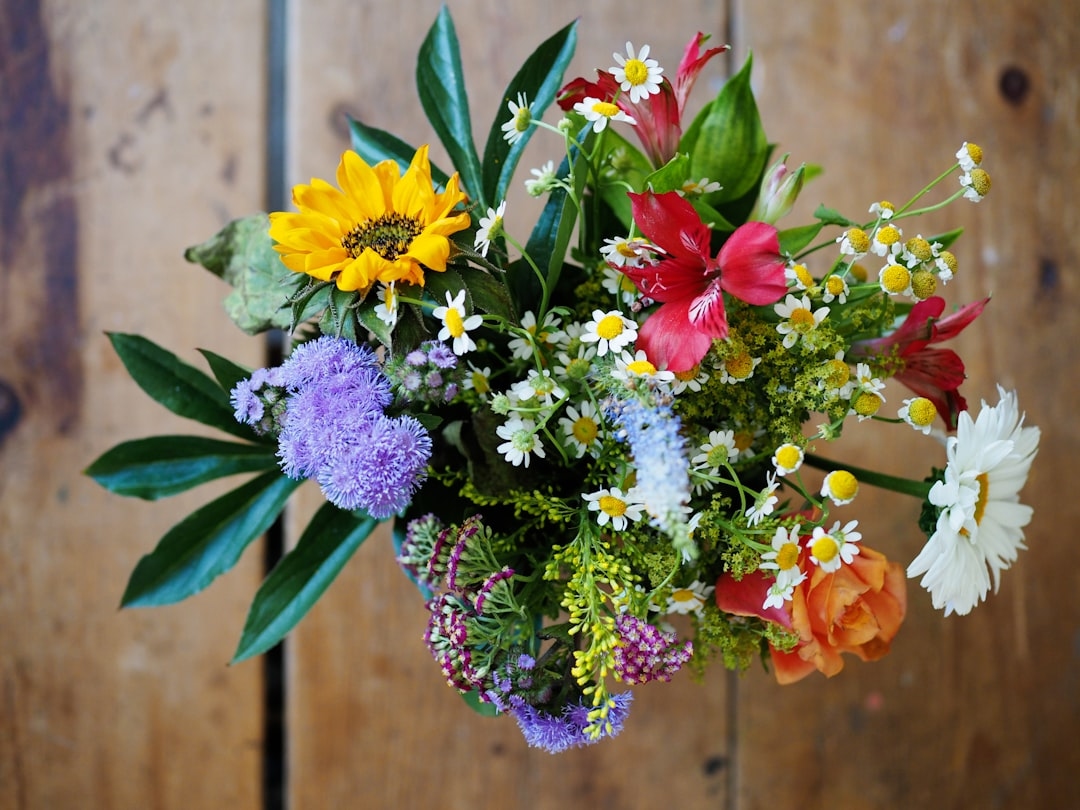
A mason jar packed with fresh, local ranunculus on your porch before breakfast. That’s the quiet magic a flower CSA share delivers, week after week. Across the U.S., hundreds of small flower farms have ditched big-box distributors in favor of community-supported agriculture – and demand keeps blooming. Setting up a flower CSA share program isn’t just for established farms, either. You don’t need acres of peonies or a fleet of climate-controlled vans. A backyard plot, a love of flowers, and a plan can get you there.
Quick Answer: How to Set Up a CSA Flower Share Program
- Assess your capacity: Calculate how many bouquets you can reliably supply each week, factoring in succession plantings and harvest yields.
- Design your CSA model: Decide on share length (usually 4-16 weeks), size (e.g., 10-15 stems per bouquet), pickup/delivery options, and pricing (typically $15-$35 per bouquet in 2026).
- Legal & insurance basics: Register your business, understand local ag sales rules, and get product liability insurance.
- Market to your community: Use Instagram, email lists, local shops, and farm stands. Open signups 3-6 months before your first bouquet.
- Prep for fulfillment: Gather buckets, shears, wrapping, subscription management tools (like Farmigo or Small Farm Central), and route organization for drop-offs, if offered.
- Communicate and deliver: Send updates about flower varieties, care tips, and delivery logistics. Consistent, cheerful interaction builds loyalty.
What Is a Flower CSA and Why Start One?
CSA stands for Community Supported Agriculture. Traditionally popular for veggies, the concept fits flowers perfectly: members pre-pay for weekly bouquets, giving growers up-front cash and a predictable customer base.
A 2025 Slow Flowers Society survey found 62% of small flower farmers in the U.S. now offer CSA programs – up from just 30% in 2018. American customers crave local, sustainably grown blooms. A flower share program can secure income, minimize waste, and foster direct community ties in a way that retail or wholesale often can’t.
Florist and grower Emily Haskins (Rose & Root Farm, Connecticut) says, “I transitioned from farmers markets to primarily CSA shares in 2024. It’s steadier income, and my regulars actually get excited about flower varieties that would be hard to sell by the stem.”
Planning Your Flower CSA Program: Step-by-Step
1. Estimate Your Weekly Supply
Overestimating is the number one rookie mistake. Start with a small, confident number of shares – even if demand is high. As a rule, allow for weather, disease, and critters. If you calculate 20 bouquets a week, offer 15 shares that first season.
Key variables:
- Harvest window: Successions of annuals (zinnias, sunflowers, cosmos) can stretch a season, but some perennials have just a 4-week flush.
- Stems per bouquet: Most CSA bouquets are mixed, 10-15 stems. For premium shares, include a focal bloom (like peony, dahlia) and specialty greens.
- Backup plan: Design with overlapping bloom times. Snapdragons can fill in if ranunculus fizzle.
2. Decide on CSA Structure and Pricing
Season Length
Most flower CSAs run 4, 6, 8, or 12 weeks. Spring (April-June) and summer (July-September) are standard, but some farms run a single “all-season” share.
Share Types
| Share Type | Description | 2026 Average Price |
|---|---|---|
| Standard | 10-12 stems, weekly pickup | $18-22/bouquet |
| Premium | 15+ stems, more focal flowers, curated wrap | $28-35/bouquet |
| DIY bucket | 25-40 loose stems for arranging at home | $45-60/bucket |
| Event/Party | Multiple premium bouquets for a one-time event | $70-200/box |
Add-ons: Farms often offer extra greens, bulb-forcing kits, or dried flower bunches for holidays.
Pickup vs. Delivery
- Pickup: Common locations include the farm gate, farmers market, or local coffee shops/bakeries. Choose a consistent day and time.
- Delivery: If you deliver, factor in gas (2026: $3.60/gal national average) and time. Most CSA deliveries charge $5-10 per bouquet per week, or build this into a higher share price.
Example Pricing
A small urban flower farm in Austin, TX, offers:
- 8-week Standard Share: $168 ($21 per bouquet, pickup only)
- 6-week Premium Share: $204 ($34 per bouquet, delivery included)
3. Take Care of Legal, Insurance, and Tax Setup
- Business registration: File as an LLC or similar entity for liability protection.
- Insurance: Product liability policies for small farms typically run $350-$700/year as of 2026 (source: National Young Farmers Coalition).
- Sales tax: Research your state’s rules–many treat unprocessed flowers as a nontaxable farm good, but check local regs.
4. Set Up Sign-Ups and Payments
Online tools:
- Farmigo, Barn2Door, and Harvie offer subscription management for CSAs.
- Shopify, Square, or PayPal work for simple “buy a share” checkout setups.
- Good old Google Forms can manage basics for 10-30 members.
Tip: Open signups in January-March for spring shares, July-August for fall shares.
Payment structure:
Most CSAs require full payment up front. Some allow half-up-front, half-midseason, to widen access.
5. Market Your Flower Share Program
Find Your Audience
- Instagram: Post bouquet photos, farm updates, and limited-time sign-up reminders. Use location tags and hashtags like #localflowers #flowerCSA #americangrownflowers.
- Email: Build a list from farmers market signups and past customers.
- Local partners: Coffee shops, yoga studios, and small grocers often host pickup or display sample bouquets.
- Community events: Host a farm tour, bouquet-making class, or pop-up stall.
A tip from Jasmine Morris, owner of Petal Patch (Portland, OR):
“Customers love feeling like they’re part of your growing season. I share stories about what’s blooming and what’s coming. Transparency and excitement drive renewals year after year.”
6. Harvest, Prep, and Fulfill Shares
Harvesting
- Pick cool mornings or evenings.
- Strip lower leaves to reduce bacteria.
- Condition stems in clean, cool water.
Bouquet Assembly
- Use a basic formula: 1-2 focal flowers, several filler flowers, textural greens.
- Wrap in kraft paper or compostable sleeves.
- Label each share with member names for easy distribution.
Distribution Logistics
- Prep a system for check-off at pickup spots.
- If delivering, optimize your route. Apps like Circuit or Route4Me can save time when juggling multiple stops.
Supplies Checklist
- Buckets (5-gallon)
- Floral shears
- Wrapping paper, twine, and waterproof labels
- Cooler or air-conditioned storage
- Subscription management spreadsheet/app
Pull-Quote
“My CSA dollars stretch farther than at the supermarket, and the flowers last twice as long. Plus, I know whose hands grew them.”
– Anna K., 2025 flower share member, Des Moines, IA

Advanced Tips for Seasoned Growers
Managing Overlap with Weddings, Holidays, and U-Pick
If you run wedding/event sales or U-pick days, plan your crop map to avoid overharvesting CSA staples. Plant extra rows of must-have CSA varieties (e.g., sunflowers, lisianthus) just for shares.
Crop Planning for Consistency
- Succession sowing: Schedule 2-5 smaller plantings every 2-3 weeks instead of one big block. Floret’s 2026 planner is a favorite for mapping this out.
- Shoulder season: Grow cold-tolerant spring bulbs (anemone, ranunculus, tulip) under low tunnels for early shares; heat-lovers like zinnia and celosia for late summer.
Customer Communication
Weekly emails or texts with bouquet contents, care tips, and farm news keep customers engaged. In 2026, text alerts for pickup reminders have 40% higher response rates than email (per Fresh Connect market survey).
Common Pitfalls and How to Avoid Them
| Pitfall | Solution |
|---|---|
| Overcommitting shares | Start small; wait-list extra signups. |
| Lack of delivery plan | Map routes before launch; limit delivery area. |
| Customer drop-outs | Clear refund/cancellation policy upfront. |
| Weather damage/crop loss | Communicate, substitute, or credit shares. |
Frequently Asked Questions
How do I decide how many CSA flower shares to offer?
Calculate how many bouquets you can consistently harvest based on past years’ yields or a conservative estimate (10-15 stems per bouquet, per week). Factor in buffer for weather or crop failure–most new programs offer 8-15 shares the first season.
Do I need insurance to run a flower CSA share program?
Yes, product liability insurance is strongly recommended. A basic policy for small-scale flower CSAs in the U.S. typically costs $350-$700 per year in 2026. Insurance protects you in case of allergic reactions, accidents at pickup, or product-related issues.
Can I run a flower share CSA from my backyard garden?
Absolutely. Many successful flower CSAs start on 1/8 acre or less. Key is honest communication about share size, seasonal variety, and what’s included. Stay within your local zoning/ordinance rules for home-based business activity.
How do I handle customer communication and reminders?
Use weekly emails and/or texts to update members on bouquet content, pickup or delivery details, and care tips. Subscription management tools (like Farmigo or Small Farm Central) can automate reminders and address lists.
What happens if I miss a week due to crop failure?
Most flower CSAs have a contingency plan: substitute future bouquets, extend the share by a week, or offer a refund/credit. Communicate early and honestly with members about any disruptions.
Looking Ahead: Growing Your CSA Flower Share for 2027
A robust flower CSA share program doesn’t just sell bouquets – it grows a loyal following and a more resilient farm business. After your first season, survey customers for feedback, experiment with new varieties, and tweak your share offerings. With U.S. demand for local flowers expected to rise by another 9% in 2027 (USDA projection), a thoughtfully run CSA remains a flourishing path for flower lovers with both roots and ambition.
For your next step, sketch out your projected harvest calendar and set a date for opening signups. The best time to start? Now – before the first daffodils crack the frost.