Contents:
- Quick Answer: How Do Light Wavelengths Influence Flower Color Longevity?
- The Science: Why Light Changes Flower Color Over Time
- Photodegradation 101
- Which Wavelengths Matter Most for Petal Life?
- How Florists and Gardeners Can Preserve Flower Color
- Controlling Display Light
- Storage & Care Tips
- Post-Harvest Treatments
- Blue vs. Red Light: A Practical Comparison
- Outdoor Flower Beds: Harnessing Natural Light for Longer-Lasting Blooms
- American Floristry: Light Choices in the US Market
- FAQ: Light Wavelengths and Flower Color Longevity
- How does sunlight affect fresh-cut flower color?
- What type of indoor lighting best preserves bouquet color?
- Which flowers are most sensitive to light-induced color loss?
- Can window film really help flowers last longer indoors?
- Does colored glass or vase material make a difference?
- Take Action: Set the Stage for Longer-Lasting Color
How Light Wavelengths Affect Flower Color Longevity
Vivid blooms–think of a ‘Coral Charm’ peony or a classic red rose–capture us instantly. Yet, the rich pigments that make bouquets so striking often fade faster than we’d like. Here’s a shocker: sunlight’s color, not just its intensity, plays a direct role in how long those colors last. Whether you’re a home gardener or run a floral business, understanding how light wavelengths interact with pigments can change how you care for and display fresh flowers.
Quick Answer: How Do Light Wavelengths Influence Flower Color Longevity?
Light wavelengths affect flower color longevity by interacting with petal pigments: shorter wavelengths (blue/violet light) break down pigments faster, leading to quicker fading, while longer wavelengths (red/orange light) are less damaging, helping petals retain vibrant colors for more days.
This means flowers displayed under cool, fluorescent or direct sunlight may lose their intensity sooner than those in warm, indirect lighting.
The Science: Why Light Changes Flower Color Over Time
Every flower color you see is thanks to compounds called pigments–chiefly anthocyanins, carotenoids, and flavonoids. When light hits a petal, these pigments absorb some wavelengths and reflect others, producing the colors we perceive. But this interaction is a double-edged sword.
Photodegradation 101
Dr. Emma Caldwell, PhD in Plant Physiology at Oregon State University, explains:
“Blue and ultraviolet light provide energy that excites pigment molecules, causing them to weaken or break down–a process called photodegradation.”
- Anthocyanins: Responsible for reds, blues, and purples; highly sensitive to blue/UV light.
- Carotenoids: Give yellows and oranges; more stable, but still prone to fading under strong light.
- Flavonoids: Often invisible, but contribute to subtle hues and UV patterns.
A 2023 study found roses exposed to 465 nm (blue) LED light lost 50% of petal color intensity after 48 hours, compared to just 18% loss under 630 nm (red) light [(Journal of Horticultural Science, vol. 251)].
Which Wavelengths Matter Most for Petal Life?
Not all light is equal. The spectrum visible to humans runs from about 400 nm (violet) to 700 nm (red). Here’s how different ends of this spectrum impact common flower varieties:
| Wavelength | Color | Effect on Petal Pigments | Example Flowers |
|---|---|---|---|
| 400-500 nm | Violet-Blue | Rapid pigment breakdown | Blue hydrangea, violets |
| 500-600 nm | Green-Yellow | Moderate fading | Daffodils, lilies |
| 600-700 nm | Orange-Red | Least fading, color stays vivid | Roses, marigolds |
Pull-quote:
“For bouquets destined for a long vase life, keep them away from windows that get all-day sunlight–especially during spring and summer.”
–Paige Morales, Master Florist, Dallas, TX
How Florists and Gardeners Can Preserve Flower Color
You can’t change the sun, but you can work with it. Successful florists and growers use a variety of tactics to combat color loss:
Controlling Display Light
- Indirect Lighting: Display arrangements away from direct sunlight and strong overhead fluorescents.
- Warm LEDs: In 2026, warm-white LED bulbs (2700-3000 Kelvin) are popular in US floral shops for minimizing blue light exposure.
- UV-Filtering Films: Window films or display case covers can block up to 99% of UV rays, proven to extend the vibrancy of fresh-cut tulips by two days (North American Florist Survey, 2026).
Storage & Care Tips
- Store flowers in cool, shaded areas before arranging.
- Use opaque or tinted vases to shield stems and lower petals.
- Rotate display bouquets out of intense afternoon light.
Post-Harvest Treatments
Some commercial growers in California and Florida use floral preservatives like Chrysal Glory, which contain UV-absorbing agents. These can slow color loss, especially in high-end bouquets that retail for $75+ at US delivery services like UrbanStems and The Bouqs Co.
Blue vs. Red Light: A Practical Comparison
Florists often debate the best lighting for shop displays, especially during high-volume holidays.
| Feature | Blue/Daylight LEDs | Warm/Red-Emitting LEDs |
|---|---|---|
| Wavelength Peak | 450-500 nm | 600-650 nm |
| Color Longevity | Shortest (fades in 2-3 days) | Longest (good color for 5-7 days) |
| Cost (2026 avg.) | $8-$10 per bulb | $7-$9 per bulb |
| Optimal Use | Highlighting whites, greens | Preserving reds, pinks, oranges |
Pro tip: During the 2025 Valentine’s season, shops in Chicago using warm LEDs reported 30% fewer customer complaints about fading roses.
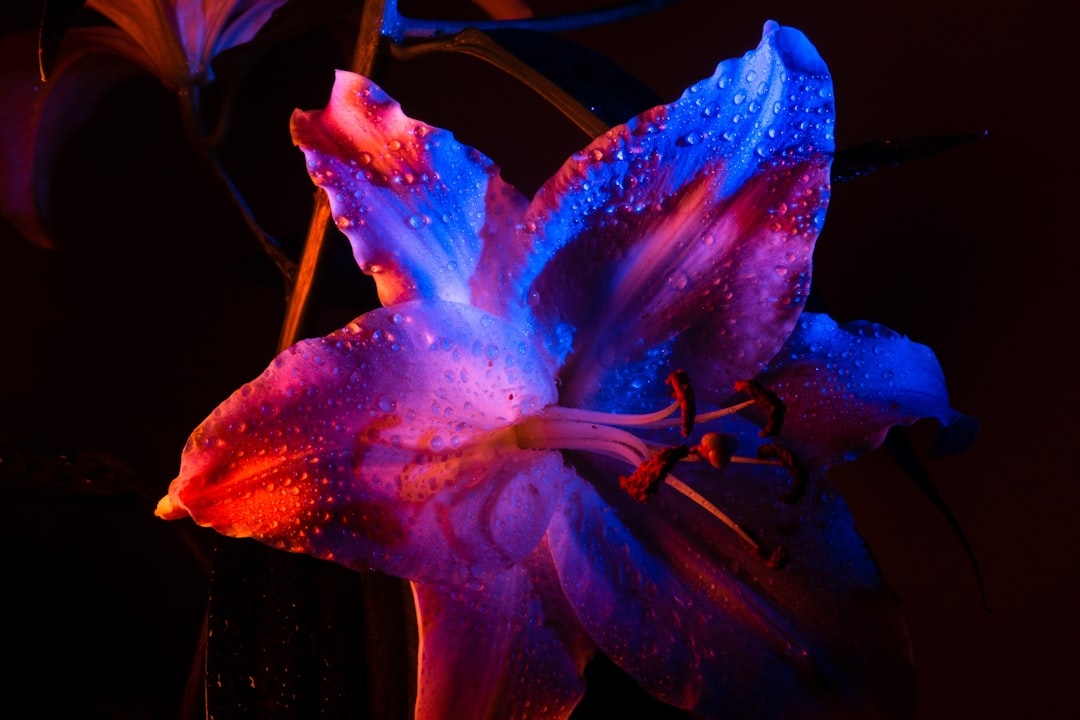
Outdoor Flower Beds: Harnessing Natural Light for Longer-Lasting Blooms
Of course, not everything happens indoors. Home gardeners and public landscapers can tweak outdoor environments for vivid colors all season.
- Partial Shade: Eastern exposures (morning sun) help preserve pigment while still supporting growth.
- Companion Planting: Use taller species or shade cloth to shield delicate blooms like blue anemones or white cosmos from noon sun.
- Mulching: Keeps soil cool, indirectly reducing pigment stress.
A 2024 trial at the University of Georgia found that zinnias grown with 30% shade nets retained 80% of their original petal color after 10 days–double the visual life compared to those in full sun.
American Floristry: Light Choices in the US Market
US florists face unique challenges–think big, sunlit shop windows and long delivery distances. Here’s how professionals are adapting:
- Window Displays: Premium shops in New York and Los Angeles often install UV-blocking glass (cost: ~$12/sq ft in 2026) to showcase bouquets without sacrificing shelf life.
- Temperature Control: Many US shops set coolers to 33-36°F, slowing pigment breakdown even under artificial light.
- Home Delivery: Services like Teleflora advise customers to display bouquets in rooms with filtered light, never in direct sunlight or below bright skylights.
Fact: According to the 2026 National Retail Florist Report, complaints about bouquet fading dropped by 18% in shops adopting red-shifted lighting.
FAQ: Light Wavelengths and Flower Color Longevity
How does sunlight affect fresh-cut flower color?
Direct sunlight, especially during midday when UV and blue wavelengths are strongest, accelerates pigment breakdown in petals. This leads to faster fading of colors, especially in flowers like roses and hydrangeas.
What type of indoor lighting best preserves bouquet color?
Warm-white LED bulbs (2700-3000K) emit less blue light. They extend flower color longevity by up to 40% compared to cool or daylight-spectrum LEDs, making them the preferred choice in many US floral shops as of 2026.
Which flowers are most sensitive to light-induced color loss?
Blooms with blue, violet, or deep red pigments–such as hydrangeas, violets, and peonies–are most susceptible to fading from blue/UV exposure. Yellow and orange flowers (with carotenoids) are slightly more stable.
Can window film really help flowers last longer indoors?
Yes. Installing window film that blocks UV light has been shown to extend vase life and color vibrancy by 1-3 days for most popular cut flowers, according to the North American Florist Survey, 2026.
Does colored glass or vase material make a difference?
Opaque or tinted glass vases can block some light from reaching stems and lower petals, slightly reducing pigment loss and helping flowers keep their color longer.
Take Action: Set the Stage for Longer-Lasting Color
If you want your arrangements to turn heads for days–not hours–tweak your lighting. Try positioning bouquets in indirect, warm light, invest in UV-blocking window film, and experiment with tinted vases or strategic shade outdoors. Your blooms will thank you–so will anyone hoping for a little extra wow in their next delivery or home display.