Contents:
- Stargazer lilies and cats: The harsh truth
- Why Are Stargazer Lilies So Dangerous to Cats?
- Rapid Absorption, Permanent Damage
- Comparison Table: Stargazer Lilies vs. Other Dangerous Flowers
- What Happens If a Cat Eats Stargazer Lily?
- Early Signs to Watch For
- Progression
- No Safe Amount
- Why Are Stargazer Lilies So Popular in the US?
- Hidden Dangers in Mixed Bouquets
- Which Flowers Are Safe for Cat Owners?
- What Should US Florists and Cat Owners Do?
- For Florists
- For Cat Parents
- Pull-Quote
- FAQs About Stargazer Lilies and Cat Safety
- Are stargazer lilies worse for cats than other lilies?
- Can cats recover from lily poisoning?
- Is any part of the stargazer lily safe for cats?
- Should stargazer lilies be banned from homes with cats?
- What should I do if my cat is exposed to a lily?
- What Should You Do Next if You Love Cats and Flowers?
Are Stargazer Lilies the Worst for Cats?
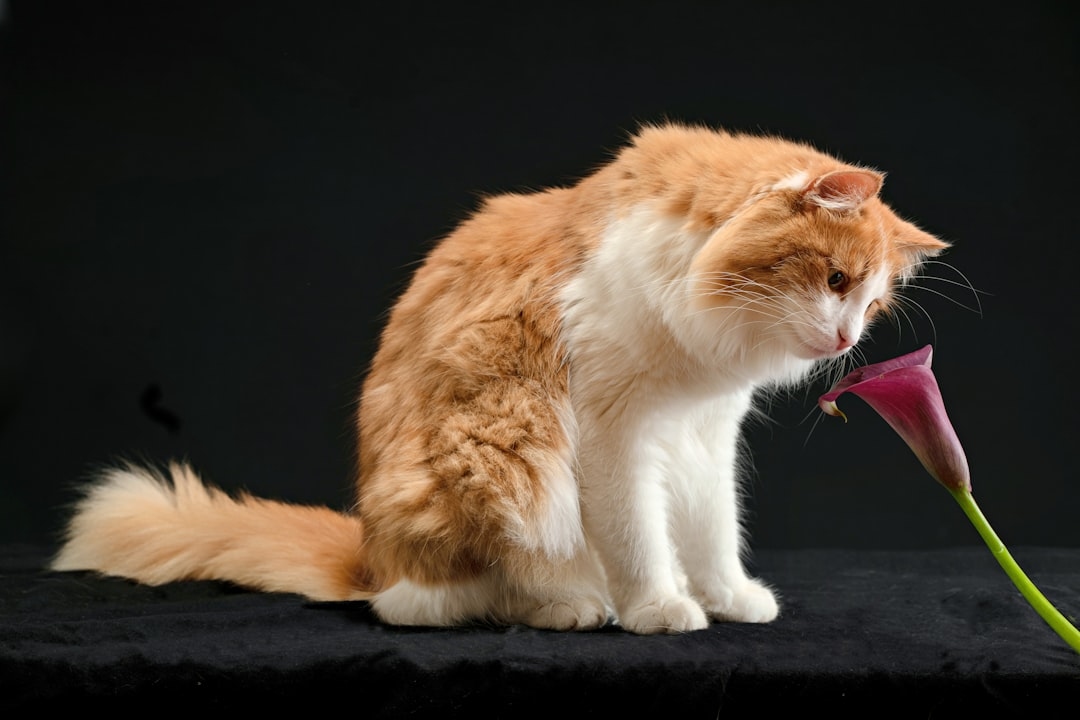
On a sunny Saturday, a bouquet lands on your doorstep–long, elegant stems, bursting with showstopping stargazer lilies. Maybe they’re for Mother’s Day, a birthday, or just because. But if you share your home with a cat, even a single petal spells trouble. Florists, veterinarians, and pet parents across the US agree: stargazer lilies aren’t just “bad” for cats–they’re a true emergency.
Stargazer lilies and cats: The harsh truth
Stargazer lilies are among the most dangerous flowers for cats–just a nibble, or even pollen licked from a paw, can cause fatal kidney failure within 24-72 hours.
If you’re a cat parent, every part of the stargazer lily is highly toxic: petals, leaves, pollen, even the vase water. The American Society for the Prevention of Cruelty to Animals (ASPCA) lists stargazer lilies as one of the “extreme risk” plants for felines.
- Toxic dose: Less than one leaf or petal can be deadly.
- Time to onset: Vomiting may start in under an hour; irreversible kidney damage can follow within a day.
- Treatment: Immediate, aggressive veterinary intervention is required (average cost in the US: $1,200-$3,800 in 2026).
No other common flower in US bouquets carries such a fast, deadly risk for cats.
Why Are Stargazer Lilies So Dangerous to Cats?
Stargazer lilies (Lilium ‘Stargazer’) belong to the “true lily” family (Lilium species). According to Dr. Rachel Kim, DVM (New York Cat Hospital), “The exact compound is still unknown, but something in all parts of the stargazer lily causes a catastrophic reaction in the feline kidney.”
Rapid Absorption, Permanent Damage
- Within minutes: Cats may vomit, drool, or show signs of distress.
- Within 24 hours: The kidneys begin to shut down; untreated, most cats do not recover.
- Even contact with pollen: A cat brushing by and licking their fur can ingest a deadly dose.
Comparison Table: Stargazer Lilies vs. Other Dangerous Flowers
| Flower | Fatal to Cats? | Amount Needed for Toxicity | Treatment Available? |
|---|---|---|---|
| Stargazer Lily | Yes (extremely fatal) | Less than one petal/leaf | Only if given quickly |
| Easter Lily | Yes | One bite | Immediate only |
| Daylily | Yes | Small amount | Urgent care needed |
| Lily of the Valley | Yes (heart toxins) | Small amount | Cardiac support required |
| Tulip | Mild-moderate | Bulbs ingested | Supportive care |
| Daffodil | Moderate | Bulbs ingested | Supportive care |
| Orchid | Generally safe | N/A | N/A |
| Rose | Safe | N/A | N/A |
What Happens If a Cat Eats Stargazer Lily?
The medical aftermath is grim, and heartbreakingly fast.
Early Signs to Watch For
- Vomiting
- Lethargy
- Drooling
- Loss of appetite
Progression
After 12-24 hours, more severe symptoms develop:
- Dehydration
- Increased urination, then decreased/no urination
- Seizures or tremors
- Collapse
“Sadly, over 70% of cats exposed to lilies who don’t receive emergency treatment within 6 hours will not survive,” shares Dr. Kim. Early, aggressive IV fluids are the only hope.
No Safe Amount
Unlike certain houseplants where a nibble leads to mild stomach upset, there’s no safe exposure level. Even sniffing a bouquet and licking the pollen off their fur is often all it takes.
“I will not allow lilies–any lilies–in my shop if a customer mentions cats at home. It’s not worth the risk.”
– Jessie Morano, Certified Florist & Owner, Petalwise Chicago
Why Are Stargazer Lilies So Popular in the US?
Despite the risks, stargazer lilies remain a massively popular choice for American florists and flower delivery services (think 1-800-Flowers, Teleflora, ProFlowers). Why? They’re prized for:
- Bold color: That hot pink with white edges is instantly recognizable.
- Fragrance: Lilies fill a room.
- Longevity: They last up to 10 days in a vase.
- Symbolism: Associated with prosperity and celebration.
In 2026, stargazer lilies regularly rank among the top five most-requested flowers for spring events and sympathy arrangements, according to the Floral Market Research Group.
Hidden Dangers in Mixed Bouquets
Many commercially available “mixed” bouquets contain a few stems of stargazer or Easter lilies tucked among roses, chrysanthemums, or greenery. They’re affordable ($35-$75 per bouquet) and shipped nationwide–even to homes with pets unless the buyer specifically requests otherwise.
Which Flowers Are Safe for Cat Owners?
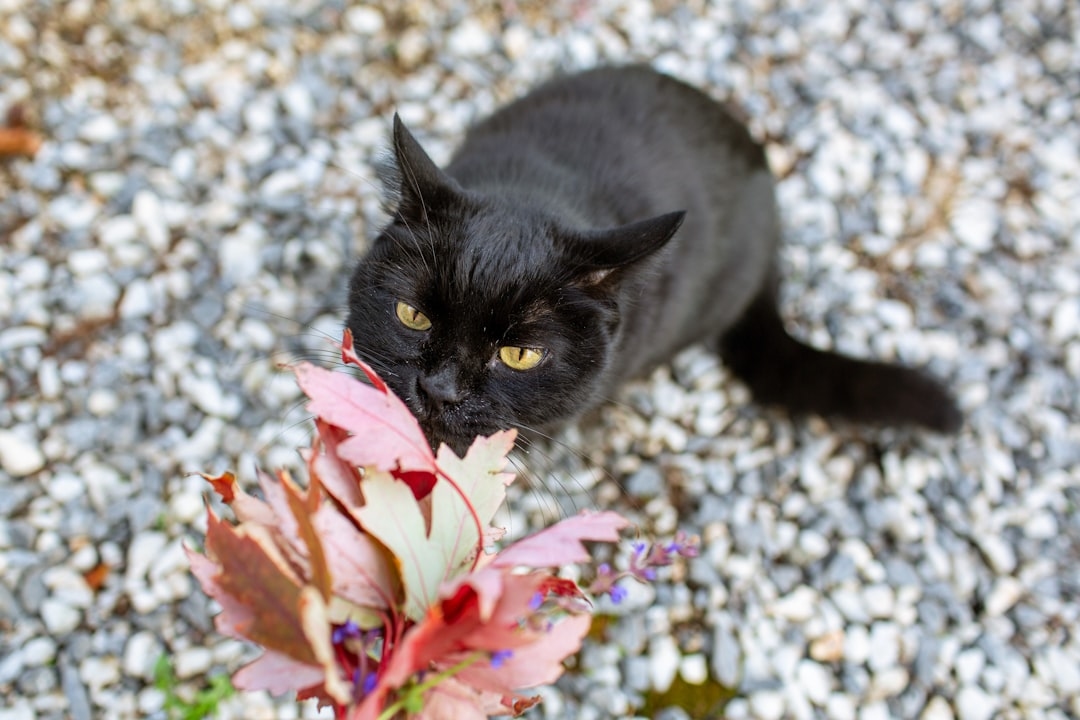
Plenty of beautiful, non-toxic alternatives exist. According to the ASPCA and several pet-friendly US florists, these are both stylish and safe:
- Roses
- Sunflowers
- Snapdragons
- Gerbera daisies
- Orchids
- Zinnias
- Lisianthus
Most reputable florists now offer “pet-safe” bouquets, typically clearly marked on their websites.
What Should US Florists and Cat Owners Do?
For Florists
- Always ask if the recipient has cats or dogs.
- Avoid stocking lilies for general sale, or label them clearly with a warning.
- Offer curated “pet-friendly” arrangements.
“We added a ‘No Lilies Ever’ policy in 2025 after a customer’s cat nearly died,” says Emily Henderson, Manager at Seattle Blooms. “It’s now requested in over 40% of our orders.”
For Cat Parents
- Never bring lilies indoors–stargazer or otherwise.
- If gifted, ask your florist to swap for sunflowers or roses.
- Spread the word: Many people have no idea lilies are toxic to cats.
Pull-Quote
“Lilies and cats are a deadly combination. Even a little pollen can shut down a cat’s kidneys forever.”
– Dr. Rachel Kim, DVM
FAQs About Stargazer Lilies and Cat Safety
Are stargazer lilies worse for cats than other lilies?
Stargazer lilies are part of the “true lily” family, which are all deadly to cats. However, they’re especially risky because they’re so common in US bouquets, making accidental exposure more likely than with less popular lilies.
Can cats recover from lily poisoning?
Recovery is only possible if the cat receives emergency veterinary treatment within the first 6 hours. Even then, some cats may suffer permanent kidney damage. Delaying treatment almost always leads to death.
Is any part of the stargazer lily safe for cats?
No. Every part of the plant–including petals, leaves, stems, pollen, and even vase water–is highly toxic to cats.
Should stargazer lilies be banned from homes with cats?
Many veterinarians and cat advocacy groups in the US do recommend a “no lilies” policy for homes and businesses that allow cats, due to the extreme risk and availability of safer alternatives.
What should I do if my cat is exposed to a lily?
Seek emergency veterinary care immediately. Bring the flower or photo for identification. Do not wait for symptoms to appear.
What Should You Do Next if You Love Cats and Flowers?
If you’re passionate about both cats and fresh blooms, you don’t have to sacrifice beauty for safety. Request pet-safe bouquets from your florist, or browse US retailers with clear “pet-friendly” collections. Share this knowledge with friends, neighbors, and your favorite flower shop–many still don’t know just how dangerous stargazer lilies are for cats.
And if lilies arrive at your door? Admire them briefly–then gift them to a pet-free friend or return to sender. Your cat’s life is too precious to risk for even a single blossom.