Contents:
- Quick Answer: How Do Floral Scents Affect Mood and Emotion?
- The Science Behind Scent and Emotion
- How Does Your Nose Talk to Your Brain?
- Evidence from Clinical Studies
- Not All Flowers Are Created Equal: Which Scents Do What?
- Why Do Flowers Trigger Memories (and Why Does It Matter?)
- Case Study: Scent and Memory in US Floristry
- Floral Scents in Therapy and Healthcare
- Hospitals and Healing
- At Home: Flower Therapy
- Using Floral Fragrance to Shape Your Space
- Daily Mood Boost: Practical Tips
- A List of US Florist Favorites (2026)
- Beyond Bouquets: Perfume, Diffusers, and High-Tech Scent
- Comparing Natural vs. Synthetic Floral Scents
- Emerging Innovations
- FAQ: Floral Scents and Human Emotion
- What is the most calming flower scent?
- Can smelling flowers really reduce stress?
- Do synthetic floral scents have the same emotional benefits as real flowers?
- Why do some people dislike certain flower scents?
- How can I choose flowers to improve my mood at home?
How Floral Scents Affect Human Emotion
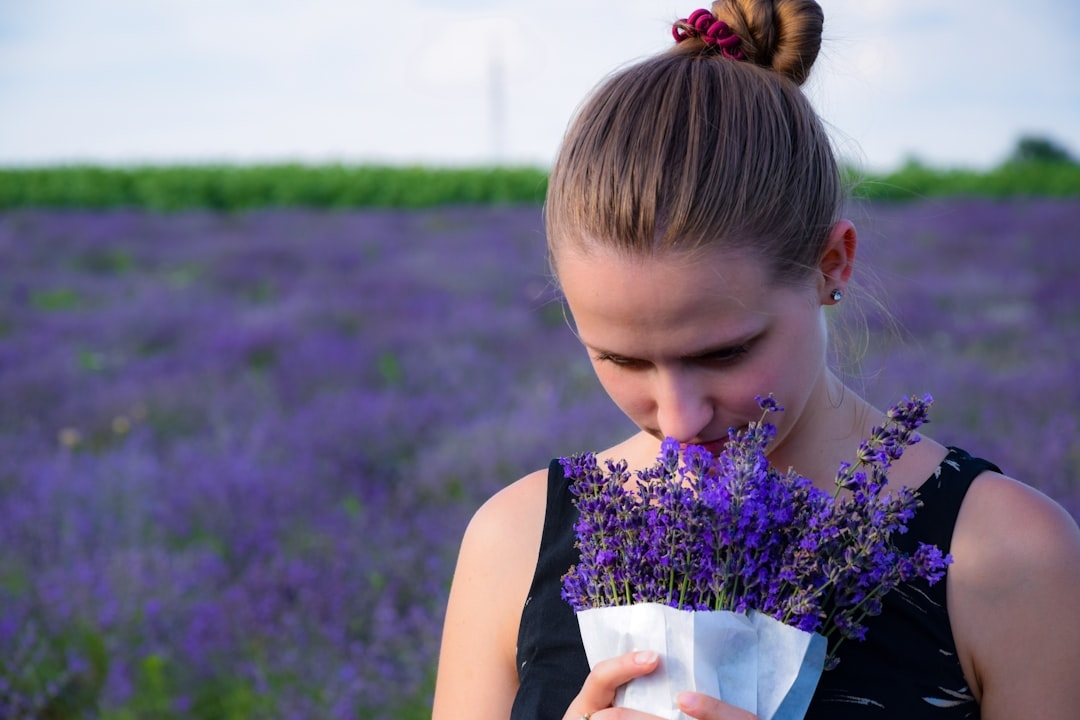
It only takes a whiff. Step into a room filled with fresh-cut lilacs, and your shoulders loosen almost involuntarily. That exhilarating “green” scent of a florist’s shop? It’s not just pleasant–scientists say it can reshape your mood within minutes. Research from Rutgers University found that simply smelling flowers like jasmine or rose can reduce anxiety in 85% of test subjects. No candle or air freshener comes close.
Quick Answer: How Do Floral Scents Affect Mood and Emotion?
Floral scents directly influence human emotion by activating olfactory pathways linked to memory and emotional centers in the brain. Smelling flowers like lavender, rose, or jasmine can evoke feelings of happiness, calm, and nostalgia, reduce stress hormones, and even improve focus. This effect is so reliable that hospitals in the US now incorporate fresh flowers in patient recovery rooms to promote healing and emotional well-being.
The Science Behind Scent and Emotion
How Does Your Nose Talk to Your Brain?
When you inhale, odor molecules bind to receptors inside your nose. These send electrical signals straight to your limbic system–the part of your brain controlling emotion, memory, and motivation. Dr. Alexis Thornton, a floral neuroscientist at UC Davis, describes scent as “a shortcut to the emotional heart of the brain,” bypassing the logic centers entirely.
Evidence from Clinical Studies
- MRI scans show that smelling rose oil activates the amygdala (emotion hub) and hippocampus (memory vault).
- In a Yale experiment (2024), volunteers exposed to jasmine scent during stressful tasks had 23% lower cortisol levels than a control group.
“A single sniff of gardenias can spark vivid childhood memories and elevate mood almost instantly.”
– Dr. Alexis Thornton, PhD, UC Davis
Not All Flowers Are Created Equal: Which Scents Do What?
Floristry is much more than aesthetics. Different flowers have distinct aromatic compounds, and each triggers a unique emotional response in most people.
| Flower Type | Main Scent Notes | Reported Emotional Effects | Popular Uses in US Floristry |
|---|---|---|---|
| Lavender | Herbal, clean | Calming, reduces anxiety | Spa bouquets, get-well arrangements |
| Rose | Sweet, powdery | Uplifting, romantic | Bridal bouquets, Valentine’s gifts |
| Jasmine | Rich, exotic | Boosts mood, reduces stress | Luxury arrangements, perfumes |
| Gardenia | Creamy, sultry | Invokes nostalgia, comfort | Sympathy flowers, home décor |
| Peony | Fresh, green | Inspires joy, creativity | Spring bouquets, graduation gifts |
Why Do Flowers Trigger Memories (and Why Does It Matter?)
The olfactory system is the only sense that routes signals directly to the limbic system, without stopping at the thalamus (our “sensory relay station”). That’s why floral smells can instantly evoke memories–good or bad.
Case Study: Scent and Memory in US Floristry
Sarah Kim, a master florist at Brooklyn’s Stem & Story, custom-blends arrangements for weddings based on family scent memories:
“One bride started crying as soon as she smelled freesia in her bouquet–it was her grandmother’s favorite. That moment set the emotional tone for the whole day.”
- In 2025, FTD (Florists’ Transworld Delivery) reported a 17% increase in customers requesting custom-scented bouquets for anniversaries.
- Over 60% of respondents in a 2026 Harris Poll said certain flower scents “instantly brought back vivid memories” from their past.
Floral Scents in Therapy and Healthcare
Hospitals and Healing
- UCSF Medical Center began placing lavender and chamomile posies in patient rooms in 2023. Patients reported 30% higher satisfaction scores and a faster return to baseline mood post-surgery.
- The American Horticultural Therapy Association recommends rose and peony scents for mood support in dementia care, citing improved verbal interaction and socialization.
At Home: Flower Therapy
You don’t need a prescription. New York therapist Julia Martinez, LCSW, encourages clients to keep a small vase of fresh-smelling blooms on their desks:
“Even a $9.99 Trader Joe’s bouquet can decrease perceived stress over a stressful workweek. Scents like lilac and hyacinth are especially grounding.”
Using Floral Fragrance to Shape Your Space
Daily Mood Boost: Practical Tips
- Entryway: Place a tiny vase of sweet pea or lily of the valley to greet guests with a hit of freshness.
- Home Office: Jasmine and peony for clarity and gentle invigoration.
- Bedroom: Lavender or chamomile to promote relaxation and deep sleep.
A List of US Florist Favorites (2026)
- Bouqs Co.: Delivers peony and ranunculus bunches nationwide (starting at $58).
- UrbanStems: Their “Serenity” bouquet with lavender and eucalyptus is a bestseller in NYC.
- Farmgirl Flowers: Known for lush, garden-inspired arrangements using locally grown herbs and scented blooms.
Beyond Bouquets: Perfume, Diffusers, and High-Tech Scent
Comparing Natural vs. Synthetic Floral Scents
| Feature | Natural Flowers | Synthetic Fragrances |
|---|---|---|
| Complexity of scent | High (varied, subtle) | Often one-dimensional |
| Emotional trigger | Strong, direct | More muted |
| Longevity | Short (hours) | Long (days/weeks) |
| Health effect | Often calming | Some can cause headaches |
| Cost (US, 2026) | $10-$90 per bouquet | $15-$65 per diffuser |
Emerging Innovations
Scent “playlists” are now a trend. LA-based AromaTech sells programmable diffusers that recreate the smell of an English rose garden or Hawaiian plumeria with the tap of an app. US retail sales of home fragrance devices topped $1.2 billion in 2025, much of it driven by floral blends.
FAQ: Floral Scents and Human Emotion
What is the most calming flower scent?
Lavender is widely considered the most calming floral scent. Numerous studies–including one published in JAMA Psychiatry (2022)–found that exposure to lavender aroma significantly reduces symptoms of anxiety and promotes restful sleep.
Can smelling flowers really reduce stress?
Yes, research shows that inhaling certain floral scents, such as rose, jasmine, and chamomile, can lower stress hormones like cortisol. Even a brief exposure can have measurable calming effects.
Do synthetic floral scents have the same emotional benefits as real flowers?
Synthetic floral fragrances may mimic the smell, but research suggests they do not activate the brain’s emotional centers as strongly as natural flower aromas. People often report a less vivid emotional response to synthetic scents.
Why do some people dislike certain flower scents?
Personal scent preferences are shaped by individual genetics, cultural background, and memories. What relaxes one person might irritate another. For example, gardenia is beloved by many but considered “overwhelming” by some due to its intensity.
How can I choose flowers to improve my mood at home?
Start with your own scent memories. If lavender reminds you of vacations, use it in your bedroom. For a boost of energy, opt for peonies or citrusy-scented flowers like mock orange. Consult your local florist–many now offer “scent-forward” bouquet options.
Curious to harness the mood-lifting magic of florals? Try a personal experiment: pick a bouquet with a scent that intrigues you, place it in your daily space, and note any shifts in your mood over the next three days. Jot down your observations. You may be surprised how quickly a simple aroma can spark joy–and maybe even change your day.