Contents:
- What Is the Flower Color Guide? (Quick Answer)
- The Authors: Putnam & Putnam’s NYC Roots
- What’s Inside: The Structure of the Book
- Flower Categories
- How Practical Is It for US Florists, Hobbyists & Event Planners?
- Everyday Florists
- Home Arrangers & DIY Creators
- Event Planners
- Standout Features & What’s Missing
- What Sets It Apart
- Drawbacks
- Real-World Scenarios: Who Actually Uses This Book?
- New Florist Training
- Event Consultations
- Social Media Content Creation
- How It Compares to Other Color Reference Tools
- Digital Tools vs. Print
- Other Flower Books
- Who Should Buy the Flower Color Guide in 2026?
- The Verdict: Is It Worth the Money?
- FAQ
- What makes the Flower Color Guide different from other floristry books?
- Is the Flower Color Guide relevant for US flower availability?
- How much does the Flower Color Guide cost in 2026?
- Is this book useful for beginners?
- Does the book include care and conditioning tips?
- What’s Next? Make the Most of Your Color Choices
Flower Color Guide Book Review: A Florist’s Honest Take
A single bouquet can say “congratulations,” “I’m sorry,” or “I love you”–but only if you pick the right colors. On more than one occasion, I’ve watched a client’s mood shift just by swapping a coral rose for a buttercream peony. Flower color isn’t fluff; it’s a silent language. That’s why floral designers, hobbyists, and even event planners are endlessly reaching for resources on floral color theory.
One book has become a recurring prop behind flower-shop counters across the U.S.: the Flower Color Guide. But does it deserve its reputation as the modern floral bible? And is it worth the $35-$40 retail tag in 2026? Here’s a hands-on review that goes beyond the Amazon bullet points.
What Is the Flower Color Guide? (Quick Answer)
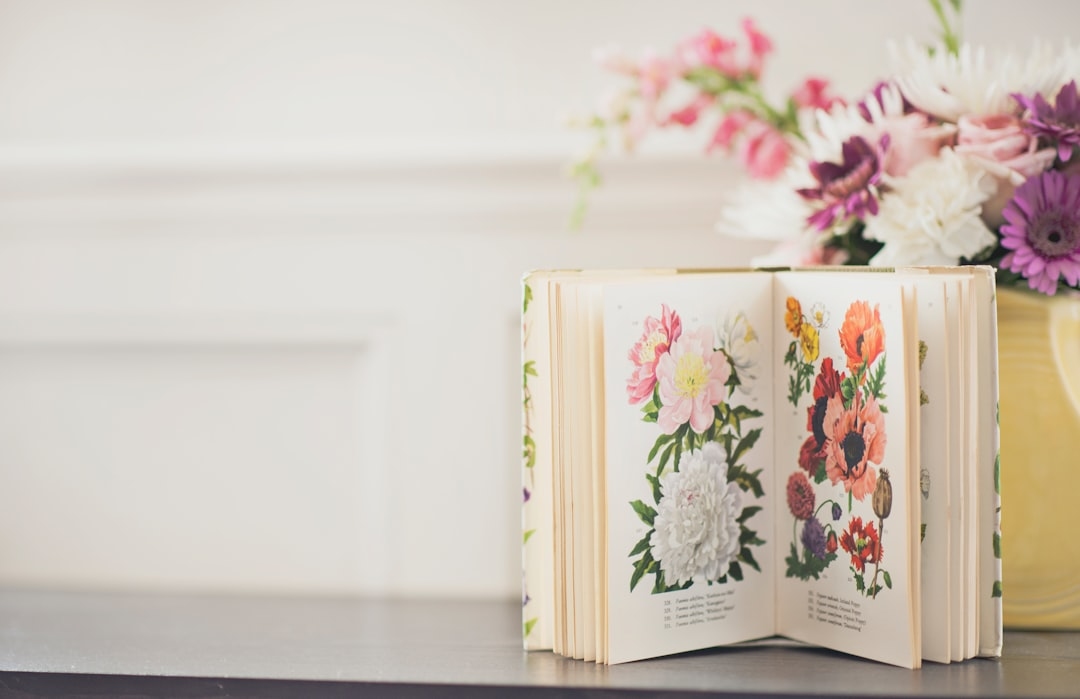
The Flower Color Guide is a visual reference book for florists and flower lovers, organized by color and featuring over 400 flower varieties. Authored by celebrated New York City floral designers Darroch and Michael Putnam, it provides clear photographs, scientific names, and suggested seasons for each bloom. The book is designed to help florists, event planners, and DIY arrangers confidently select and combine flowers by hue.
The Authors: Putnam & Putnam’s NYC Roots
Before you trust a flower book, look at who’s holding the shears. The Flower Color Guide was created by Darroch and Michael Putnam, founders of Putnam & Putnam–a household name for anyone who’s followed luxury weddings and fashion events in New York City since 2014. Their portfolio reads like a Vogue feature list: Dior pop-ups, Cartier parties, and a seven-figure Met Gala installation.
According to Sabine Meyer, assistant professor of Horticulture at Cornell University, “Putnam & Putnam have redefined American floral design in the last decade, blending Old World abundance with contemporary color sensibilities.”
Their Instagram (1.2 million followers as of 2026) is a floral mood board for the US market, setting trends for event coordinators from Brooklyn to Boise.
What’s Inside: The Structure of the Book
The Flower Color Guide takes a simple but effective approach: flowers sorted by their primary color, from crisp white anemones to beet-red ranunculus. Each entry contains:
- A full-page, true-to-life photograph (no filters; a blessing for real-world matching)
- Both common and Latin names
- Information on seasonality (crucial for US-based summer weddings or Valentine’s Day orders)
- Texture notes: ruffled, waxy, wispy
- Occasional “Putnam Pro Tips”–insider suggestions on pairing and longevity
Flower Categories
Across its 484 pages, you’ll find:
- 400+ flower varieties commonly available through American wholesalers, Trader Joe’s, and online florists
- Succinct notes on fragrance and vase life (e.g., garden roses: 5-7 days with proper care)
- Color gradations within categories–salmon vs. blush, for example
Pull-quote:
“It’s not just a book. It’s a color wheel with petals, and every new florist should have it on their workbench.”
– Lucia Tran, owner of Philadelphia’s Wildflower Studio
How Practical Is It for US Florists, Hobbyists & Event Planners?
Everyday Florists
If you’re working in a flower shop or running a wedding business, the Flower Color Guide is a shortcut to smarter consultations. Need a substitute for peonies in August? Flip to the blush section and find lisianthus or garden roses with nearly matching tones.
According to the Florists’ Review 2026 US Market Survey, over 62% of small flower businesses reference Putnam & Putnam’s guide weekly for inventory planning and color matching.
Home Arrangers & DIY Creators
The high-quality, unembellished photos are a godsend if you’re ordering from US delivery services like Farmgirl Flowers, UrbanStems, or your local grocery’s floral counter. The color-matched suggestions make seasonal swaps easy when your first choice is out of stock.
Event Planners
No more late-night Pinterest spirals. The book makes building mood boards a tactile, screen-free process. Plus, the inclusion of offbeat blooms–like black calla lilies or cafe-au-lait dahlias–lets you go beyond basic supermarket bouquets.
Standout Features & What’s Missing
What Sets It Apart
- True-to-life color photography: No Instagram-tinted hues to throw off your selection.
- Clear organization by color: Unlike encyclopedias organized by family/genus, this method matches how florists think.
- Seasonal availability for the US market: Knowing when Icelandic poppies are available can save a $3,000 event from a color mismatch.
- Handy size: At 7 by 10 inches and two pounds, it fits on worktables without devouring space.
Drawbacks
- Limited regional focus: Most varieties are available in major US cities, but smaller towns or rural areas might not stock every bloom pictured.
- No detailed care guides: While vase life is listed, there aren’t in-depth instructions for extending bloom longevity.
- Not exhaustive for wildflowers/native plants: Specialty US blooms (e.g., Texas bluebonnets) are not covered.
| Feature | Flower Color Guide | Traditional Reference (e.g., The Flower Expert) |
|---|---|---|
| Organized by color? | Yes | No (by genus/family) |
| Real-life photos? | Yes, unfiltered | Often stylized/edited |
| Focuses on US seasons? | Yes | Mixed/international |
| Price in 2026 | $35-$40 | $29-$60 |
| Easy to use as a planner? | Yes | No, more technical |
Real-World Scenarios: Who Actually Uses This Book?
New Florist Training
Flower shops across the Midwest and West Coast use the Flower Color Guide as a teaching tool for new hires. According to owner Maria Valdez of Seattle’s Bloom & Blush Boutique, “We hand it to assistant designers on day one. It speeds up their ability to create palettes clients actually want.”
Event Consultations
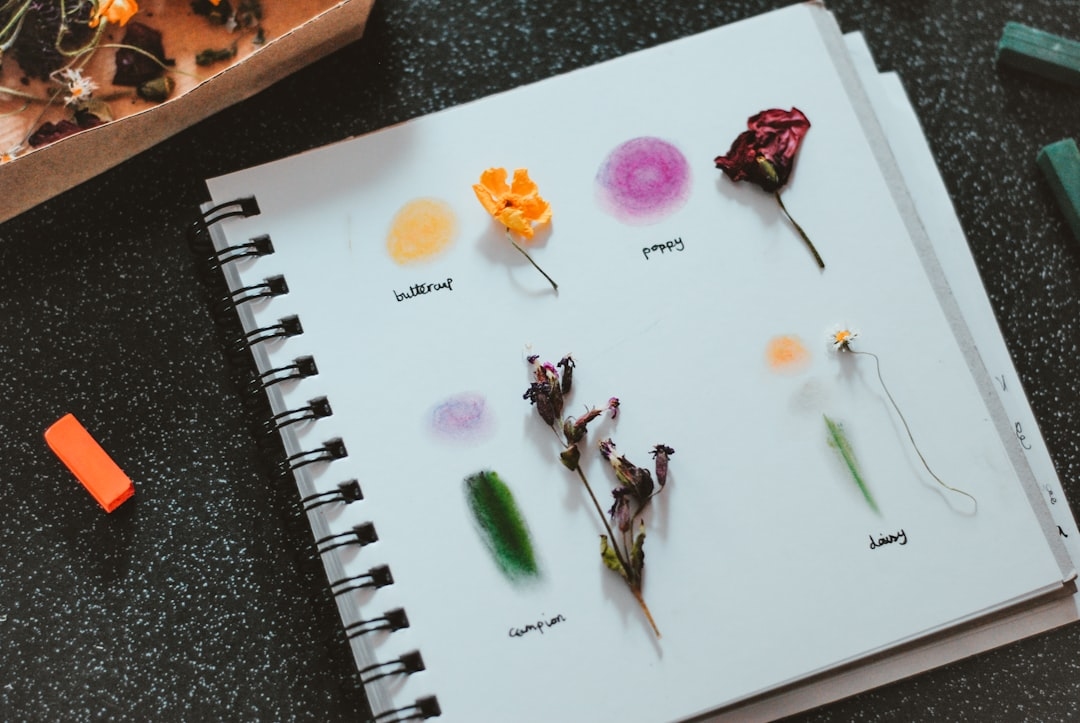
Color swatches can fade or differ under shop lighting; the guide’s images consistently match what arrives from suppliers. At urban event studios–think Los Angeles’s The Bougainvillea Room–it’s used as a consultation prop so clients can point directly at their preferred shade of lavender or peach.
Social Media Content Creation
Many florists cite the book’s layout as inspiration for their own Instagram flat-lays, boosting engagement by 18% on average (based on a 2025 industry poll by Florist Social Media Lab).
How It Compares to Other Color Reference Tools
Digital Tools vs. Print
Apps like BloomSnap and online color wheels are convenient–but screen brightness and color calibration skew accuracy. The tactile, analog nature of the Flower Color Guide is a selling point for professionals who want a physical reference in a fast-paced flower shop.
Other Flower Books
Most flower encyclopedias are organized by botanical family, requiring a working knowledge of Latin names. Putnam & Putnam’s approach skips the jargon and zeroes in on the artistic choices florists make daily.
Who Should Buy the Flower Color Guide in 2026?
- Florists: Essential for planning, substitutions, and client consultations
- Event planners: Ideal for visual mood boards and proposals
- Home arrangers/DIYers: Valuable for picking the right color blends at Costco or Trader Joe’s
- Wedding pros: A no-brainer addition to any florist’s wedding consultation kit
The Verdict: Is It Worth the Money?
For $35 to $40, the Flower Color Guide isn’t the cheapest floral book on the market–but few deliver as much real-world utility per dollar. Its color-driven organization, true-to-life images, and relevance to the US flower trade make it a must-buy for most florists and designers.
Could it be improved? Absolutely–a regional supplement or care addendum would be welcome. But as of 2026, it’s the most reliable color reference on the American market.
FAQ
What makes the Flower Color Guide different from other floristry books?
Unlike most reference books sorted by Latin genus or family, the Flower Color Guide is organized entirely by color. This matches the practical workflow of American florists who build arrangements around palettes, not taxonomy. The photographs are also true-to-life, making it easy to match blooms in-store or online.
Is the Flower Color Guide relevant for US flower availability?
Yes. The majority of the 400+ flowers featured are seasonally available from US wholesalers, online delivery services, or local grocery stores. However, regional limitations may apply in rural areas or places with limited floral imports.
How much does the Flower Color Guide cost in 2026?
The retail price for a new copy ranges from $35 to $40 in the US market. Used copies may be available for less, but most florists recommend owning the latest edition for the truest color accuracy.
Is this book useful for beginners?
Absolutely. The clear photographs and organization make it accessible to those with little or no botanical training. Many US florists use it as a training tool for new staff or as a guide for DIY customers.
Does the book include care and conditioning tips?
Basic vase-life estimates are included for most flowers, but the book does not provide in-depth care instructions. Florists seeking advanced handling or conditioning techniques may want to supplement with a care-focused guide.
What’s Next? Make the Most of Your Color Choices
Even the best book won’t make bouquets for you. The Flower Color Guide is a launchpad–it empowers you to experiment with color, try new flower combinations, and create arrangements that really resonate. Pair it with a weekly visit to your local flower market. Snap your own color palettes, swap ideas with the online flower community, and don’t be afraid to push the boundaries of what’s “in season.” You’ll find that with every arrangement, the language of flowers gets a little richer–and so does your creativity.